The Battersea Shield: Ancient Celtic Alchemy and Technological Sacrifice
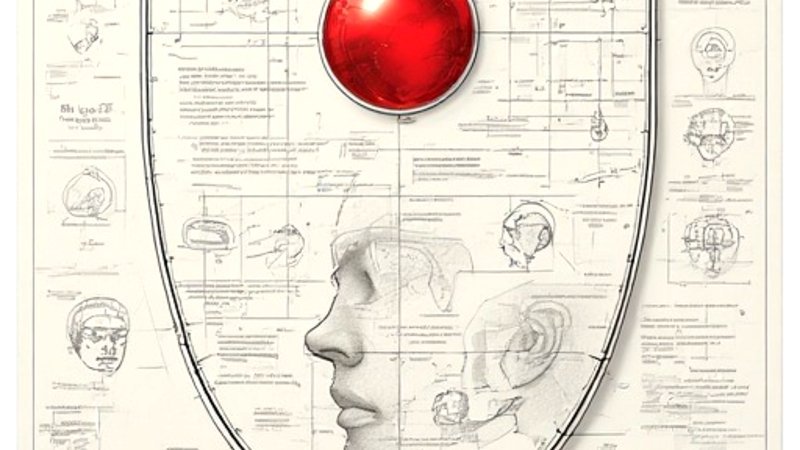
The Battersea Shield: Ancient Celtic Alchemy and Technological Sacrifice
Discovered in the mud of the River Thames in 1857, the Battersea Shield is perhaps the most misleading artifact in British history. It appears fragile, yet its creation required technology centuries ahead of its time. It was not designed for protection; it was designed to be lost. This piece forces us to re-evaluate everything we thought we knew about Celtic engineering and belief systems, suggesting an intentional ‘technological suicide’ enacted upon the material itself.
Navigate Content
An Iron Age Masterpiece of Fragile Beauty
The shield, found near Battersea Bridge, is deceptively light and exquisitely detailed, making it useless as actual armament. Its construction involves several thin sheets of bronze meticulously assembled with hidden rivets. The aesthetic is defined by intricate La Tène curves and interlocking circles. The craftsman utilized the repoussé technique—hammering the bronze from the reverse side to create complex, high-relief patterns. This level of artistry, applied to an object destined for the riverbed, defies the logic of practical survival.

Advanced Chemistry: The Secret of the Red Glass
The most astonishing feature is the inlay: twenty-seven panels of opaque red glass. Producing this specific color in 300 BC was a formidable chemical challenge. Metallurgical analysis revealed that this was not ordinary silica but a complex mixture containing high proportions of lead and copper. This combination served a precise purpose:
- The lead lowered the melting point for easier setting.
- The copper imparted the crucial ‘dry-blood-like glow.’
Crucially, the artisan understood and calculated the coefficients of thermal expansion to ensure the glass would not crack as the bronze cooled—a testament to laboratory-level precision.
The Controversy: Sacrifice Over Survival
While conventional history dismisses the shield as a mere ‘display piece’ or funerary offering, the narrative of intentional technological sacrifice is far more compelling. Casting such a perfected, knowledge-intensive object into the Thames was not an offering of wealth, but an offering of technological secrets. This act can be compared to shattering today’s most advanced microchip upon an altar. The Celts, in this view, believed the spirits inhabiting the gateway river demanded the price of their highest achievement, reserving their knowledge for ‘unseen powers’ rather than using it for military conquest against rivals like the Romans.

The Shield’s ‘Sight’ and the Journey to the Otherworld
The ornamentation includes specific eye-like patterns, suggesting the shield was intended to possess ‘sight’ for its journey. Microscopic examination confirms a terrifying truth:
- There are zero signs of battle damage (spear abrasions or sword strikes).
- The object moved directly from the workshop to the riverbank.
The artisan finished crafting an object knowing its only fate was to be touched by mud and dark water. This dedication implies a profound cultural belief that power directed towards the sacred necessarily precludes its use in the profane (military or political survival).
Frequently Asked Questions
Generated by AI Content Architect
About The Author