Poseidon: Russia’s Nuclear Doomsday Weapon Creating Continental Tsunamis
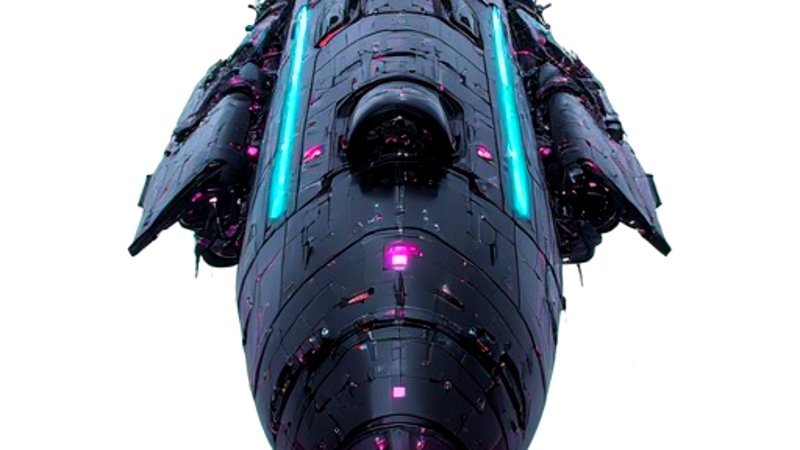
Poseidon: Russia’s Nuclear Doomsday Weapon Creating Continental Tsunamis
Forget flashing skies; the potential end of civilization is currently gliding silently thousands of feet beneath the ocean surface. This is the era of Poseidon, a weapon so devastating it promises to turn geopolitical power maps into obsolete relics. Dubbed the ‘Doomsday Weapon’ by the West and ‘Status-6’ by Russia, this autonomous underwater vehicle represents an unparalleled existential threat that bypasses all conventional defenses.
Navigate Content
The Unstoppable Underwater Menace
Poseidon’s immediate advantage lies in its near-invisibility to modern defense systems. Radars and satellites are rendered useless against deep-sea threats. It is not a traditional torpedo but an AI-guided, autonomous underwater vehicle powered by a miniature nuclear reactor. This reactor grants it terrifying, unlimited range, allowing it to cruise from the Arctic to coastal targets without needing refueling or rest. Its operational speed—up to one hundred knots (200 km/h)—is faster than any defensive countermeasure can realistically intercept.

The Mechanics of Total Annihilation
The real horror emerges upon detonation. Unlike standard nuclear arms that rely on atmospheric blast and heat, Poseidon is designed for deep underwater detonation near continental shelves. Its warhead carries a yield up to 100 megatons—double the infamous Tsar Bomba. When triggered, it generates a catastrophic event:
- The Nuclear Tsunami: An immense wall of water up to 500 meters high sweeps inland for dozens of kilometers.
- Radioactive Contamination: Crucially, the warhead incorporates Cobalt-60. This renders the affected land radioactively deadly for decades, effectively erasing entire regions from habitability.
Terror Deterrence: The Ultimate Retaliation
In the strategic calculus surrounding Poseidon, it is viewed less as a first-strike option and more as the ultimate insurance policy—the terror deterrence mechanism. Russia’s largest submarines, the Belgorod-class vessels, are specifically designed to serve as silent mother ships for these devices. Should Russia suffer a devastating preemptive strike, Poseidon is programmed to survive and execute its final order, ensuring mutually assured destruction even if the nation’s command structure is eliminated. This capability instantly redefines naval superiority, rendering traditional assets like aircraft carriers obsolete targets waiting for vaporizing beneath the waves.

Propaganda vs. Operational Reality
While skeptics dismiss Poseidon as mere Russian scaremongering, evidence from deep-sea technology investment and testing in the Barents Sea suggests the technology is real and operational. The concentration of global economic and political power along coastlines—New York, London, Tokyo—makes these cities prime targets for a weapon that bypasses complex air defenses by utilizing the ocean itself. For further context on technologies that reshape the rules of conflict, one might look into the emerging threats outlined in Quantum Threat: Secrets Exposed as Quantum Computers Arrive, as technological leaps constantly shift the balance of power.
Frequently Asked Questions
Generated by AI Content Architect
About The Author