Whale Consciousness: Are They Smarter Than Humans? The Secret Language of the Deep

Whale Consciousness: Are They Smarter Than Humans? The Secret Language of the Deep
Navigate Content
The Symphony of Distance: Acoustic Mastery in the Abyss
Water transmits sound over incomprehensible distances, a reality exploited brilliantly by cetaceans. Blue whales utilize low frequencies that travel over 1,600 kilometers through deep sound channels. This isn’t simple signaling; it implies a global network. Consider the implications of communicating from London to Cairo using only the voice. While humans rely on finite technology, whales possess an innate, organic system capable of planetary-scale connection. The question shifts from if they communicate to what vital information demands such immense reach.
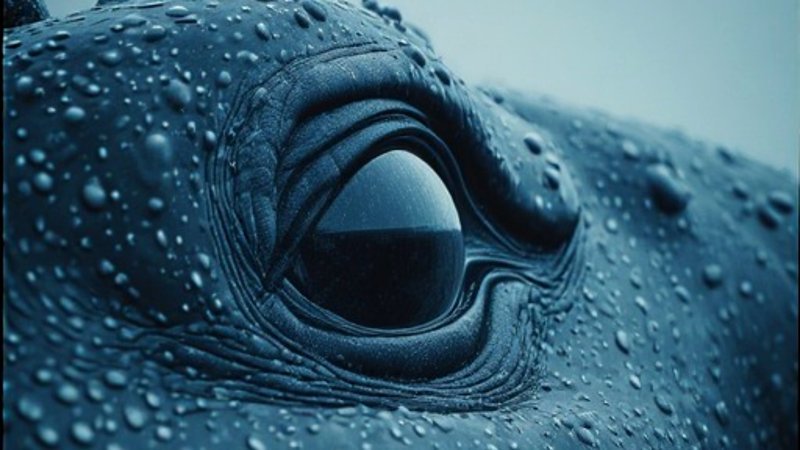
Culture, Song, and Evolving Language
Whale vocalizations are not random; they exhibit structure comparable to human music and poetry. Scientists note that humpback songs evolve seasonally, with melodies spreading across oceans, indicating cultural transmission and learning. This suggests:
- Cultural Exchange: Songs originating in one area are adopted and elaborated upon months later on other continents.
- Linguistic Depth: Frequencies convey specific emotional states, such as grief or warnings.
- Historical Archives: Given lifespans exceeding 200 years (like the Bowhead), whales may hold auditory records dating back to the dawn of the Industrial Revolution, making them the planet’s oldest historians.
Auditory Blindness: The Silent Scream of Noise Pollution
For a species whose entire world perception relies on hearing, the invasion of human-generated noise is catastrophic. Commercial shipping, military sonar, and exploration transform the quiet ocean into a cacophony. This noise results in:
- Psychological Trauma: Stress hormone levels mirroring wartime trauma have been detected in whale earwax.
- Societal Collapse: The inability to hear mates, predators, or calves severs crucial social bonds.
- Cultural Erasure: If the language infrastructure is destroyed by noise, the unique, millions-of-years-evolved culture vanishes with it.
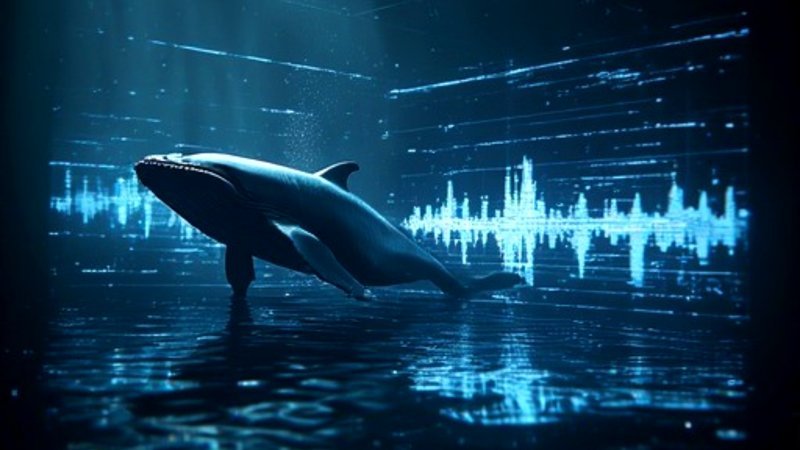
The Von Economo Neuron: A Blueprint for Higher Empathy
The scientific investigation into whale intelligence is driven by comparative neuroanatomy. Whales possess specialized brain cells called ‘von Economo neurons’ (VENs), which are associated with social awareness, intuition, and rapid complex emotional processing. In many whale species, the density of these cells exceeds that found in humans. This forces a profound philosophical query: Are we truly the most advanced intelligence, or simply the most disruptive and noisy? If their brains are wired for deeper empathy, perhaps their consciousness offers a model we desperately need to emulate.
We must support efforts to study and protect these beings. If you wish to learn about other forms of non-human intelligence, consider exploring the mysteries surrounding The Octopus: Alien Intelligence with Nine Brains and Self-Rewriting DNA.
Frequently Asked Questions
About The Author