
The Dyatlov Pass Mystery: Unexplained Deaths of 9 Climbers in the Ural Mountains

0
image_1-151


The Dyatlov Pass Mystery: Unexplained Deaths of 9 Climbers in the Ural Mountains

Imagine nine professional climbers fleeing their tent in the freezing midnight, without their boots. Nature leaves them as lifeless corpses in the snow, with injuries inexplicable by human reason. What terror could drive a person to choose death by freezing over remaining a single second within their shelter?


The Ill-Fated Expedition Begins

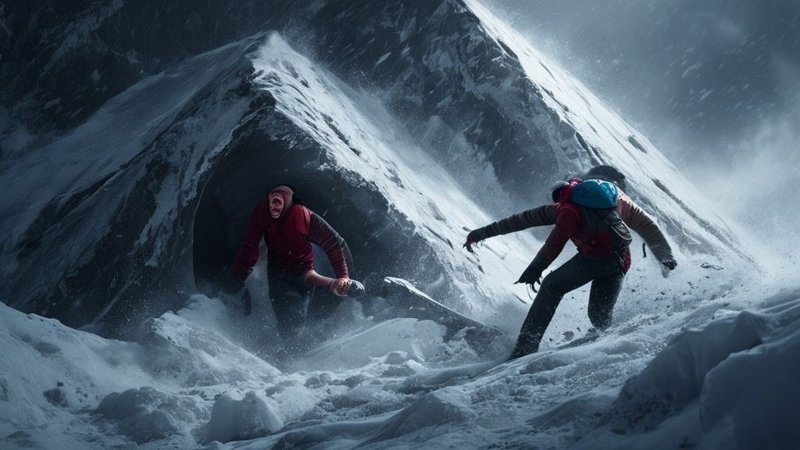
Our story begins in late January 1959. The group consisted of eight men and two women, mostly students and graduates from the Ural Polytechnic Institute. These young people were not mere amateurs but second-grade climbers awaiting promotion to third-grade, the highest professional certification in the Soviet Union at the time. Their leader was Igor Dyatlov, an intelligent and calm young man with extensive experience in the challenging terrain of the Ural Mountains. Their plan aimed to reach Mount Otorten, a name meaning ‘don’t go there’ in the local Mansi language. For them, this expedition was not just an adventure but a physical and mental challenge through which they sought to prove their ability to withstand the harshest conditions of the Soviet winter. You can feel the cold air through their words in their diaries, where they meticulously recorded their movements and the laughter that filled the air before the catastrophe. The world around them was serene, an endless white expanse, but beneath this calm lay unforgiving natural forces.

On January 25th, they reached the town of Ivdel, from which they took a truck to Vizhay, the last inhabited point before entering the harsh wilderness. Here, the true journey on skis began. On January 28th, one member, Yuri Yudin, was forced to return due to sudden and severe pain in his back and knee. He bid farewell to his companions at the forest’s edge, unaware that those embraces would be the last of his life. Yuri watched his companions disappear into the dense white snow, remaining the only one destined for a new life to tell the story of his comrades who never returned. The remaining nine continued to advance through the Uspeya River valley, where the wind howled louder the deeper they ventured, and snow rapidly covered their tracks. One had to imagine the weight of their equipment and the immense physical effort required to forge a path through snow up to waist-deep in some areas. They battled gravity and cold simultaneously, driven by youthful ambition and the desire to conquer the peak.
The Ill-Fated Expedition Begins


‘Dead Mountain’ and the Last Known Moments

On February 1st, the team began ascending the slopes of Kholat Syakhl, which translates in local legends to ‘Dead Mountain.’ Poor weather conditions and severely reduced visibility caused them to deviate slightly west from their original route. Instead of descending into the valley where dense forests offered protection from strong winds, Igor Dyatlov decided to pitch the tent on the fully exposed slope. Perhaps he did not want to lose the altitude they had gained with strenuous effort, or perhaps he aimed to train his team in camping under the most challenging possible conditions. That night, they ate their last supper of bacon and bread and wrote in their satirical newspaper, which they named ‘Evening Otorten.’ The last photos, developed later, showed them smiling and preparing for sleep, unaware that death lurked behind the thin, millimeter-thick fabric of their tent. Similar to other baffling historical riddles, the final moments leading up to the tragedy remain obscured by mystery, much like The Voynich Manuscript: 600 Years of Unsolved Code and Cryptography’s Greatest Failure.


The Horrifying Discovery on Kholat Syakhl

The scheduled date for sending a return telegram, February 12th, passed, followed by February 20th without news. Families began to feel gnawing anxiety, and the institute dispatched a search and rescue team of student volunteers. Subsequently, the Soviet army and police intervened with helicopters and ground forces. On February 26th, rescuers finally located the tent on the slope. The tent was violently torn from the inside and covered in layers of snow, but the climbers’ belongings, boots, and heavy coats were still in place. The scene evoked indescribable horror. Why would a sane person venture out into temperatures reaching thirty degrees Celsius below zero in only their underwear and without shoes? Footprints clearly appeared in the surrounding snow, indicating eight or nine people who had walked with peculiar calm, not running, towards the forest edge, a kilometer and a half from the tent’s location.

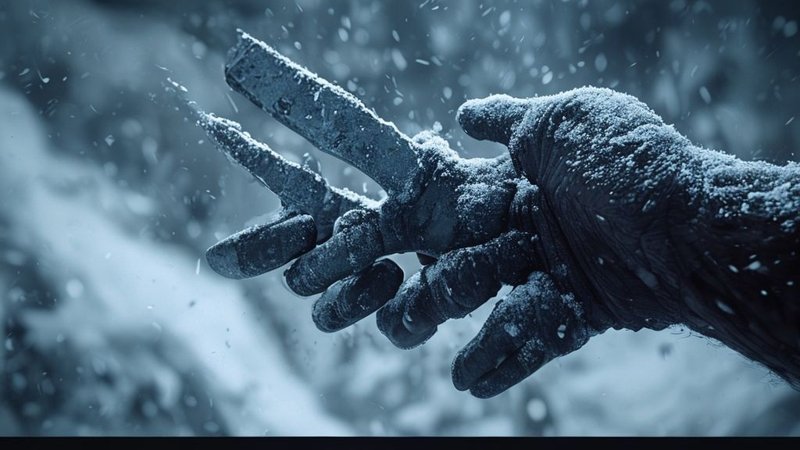
Under a massive, ancient cedar tree at the forest’s edge, the first two bodies were found: Yuri Krivonischenko and Yuri Doroshenko. They were clad only in their underwear, and their hands were partially burned, as if they had desperately tried to climb the tree to break branches or light a small fire for warmth. Subsequently, Dyatlov’s body and two others, Zinaida Kolmogorova and Rustem Slobodin, were found lying in the area between the tree and the tent. Their positions suggested they were attempting to return to the tent before succumbing to the deadly cold. There were no clear signs of struggle with any human or animal, and the initial, apparent cause of death was hypothermia. The baffling nature of this event puts it alongside other profound enigmas, such as those explored in Beneath Our Feet: Hidden Oceans, Ancient Civilizations & Earth’s Unsolved Mysteries.
The Horrifying Discovery on Kholat Syakhl


Unfathomable Injuries and Lingering Questions

However, the true tragedy and terrifying mystery only emerged two full months later when the snow began to melt, and the remaining four were found buried under four meters of snow in a deeper ravine within the forest.

These four did not die from cold alone, as their companions did. Their injuries were horrific and illogical.

  • Nikolai Thibeaux-Brignol sustained a severe skull fracture.
  • Alexander Zolotarev and Lyudmila Dubinina suffered rib fractures of immense force, equivalent to a high-speed car collision.

Most strangely, all this occurred without external bruising or lacerations on the skin, as if an enormous physical pressure had crushed their chests from within. More horrifying still, Lyudmila was missing her tongue, eyes, and part of her facial tissue. The criminal investigation reached an impasse, as no foreign footprints were found, nor were there winds strong enough to break bones in such a manner. How could a natural force select certain individuals and leave others? And why did some of their clothes contain abnormal levels of radiation? The Dyatlov Pass Incident remains one of history’s most compelling unsolved mysteries, leaving experts and enthusiasts alike to ponder the unimaginable terror that drove these experienced climbers to their death.


Frequently Asked Questions

What was the Dyatlov Pass Mystery?
The Dyatlov Pass Mystery refers to the unexplained deaths of nine experienced Soviet trekkers in the Ural Mountains in February 1959. The group fled their tent under mysterious circumstances, many dying of hypothermia, while others sustained severe internal injuries without external trauma.
Who was Igor Dyatlov?
Igor Dyatlov was the leader of the ill-fated expedition. He was an intelligent and calm young man with extensive experience in the challenging terrain of the Ural Mountains, leading a group of students and graduates from the Ural Polytechnic Institute.
What initial discoveries were made at the tent site?
Rescuers found the tent violently torn from the inside, with the climbers’ belongings, boots, and heavy coats still in place. Footprints indicated that eight or nine people had walked calmly, not run, away from the tent towards a nearby forest, many dressed only in their underwear or light clothing despite freezing temperatures.
What were the most inexplicable injuries found on the bodies?
While some died of hypothermia, four of the climbers had horrific, illogical injuries: a severe skull fracture, and immense rib fractures equivalent to a high-speed car collision, all without external bruising. One victim, Lyudmila Dubinina, was also missing her tongue, eyes, and part of her facial tissue. Abnormal levels of radiation were also found on some of their clothes.
Has the Dyatlov Pass Mystery ever been solved?
No, despite numerous investigations and theories, the Dyatlov Pass Mystery remains officially unsolved. No foreign footprints were found, and explanations for the tent’s tearing, the nature of the injuries, the missing body parts, and the radiation levels have never been conclusively determined.

Generated by AI Content Architect

About The Author

Leave a Reply

Your email address will not be published. Required fields are marked *