Andes Tunnels Enigma: Advanced Engineering, Vitrification, and the Pre-Inca Mystery
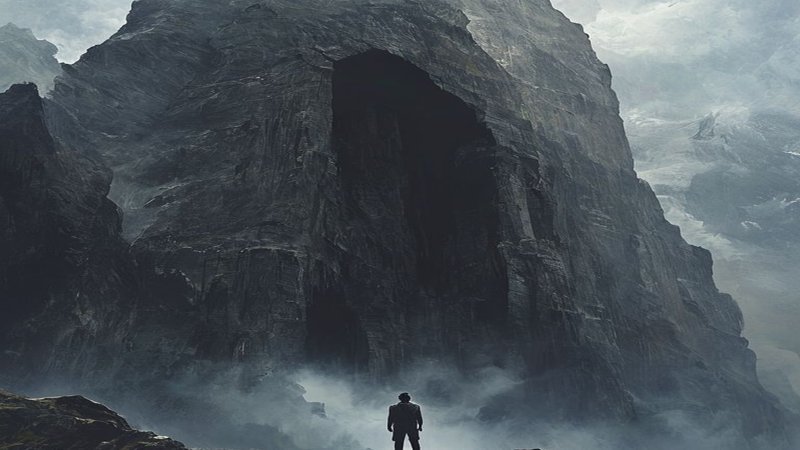
Imagine standing before a darkened entrance carved deep into the heart of the formidable Andes Mountains, a scene so profound it is utterly breathtaking. This is not merely a natural cave sculpted by millions of years of erosion; it is the most significant engineering enigma left by antiquity, profoundly challenging contemporary understanding. Could rudimentary human hands have carved a passage extending for thousands of meters into solid granite with a precision that seems achievable only through modern laser cutting technology?
The Grand Tunnel Passage: An Engineering Impossibility
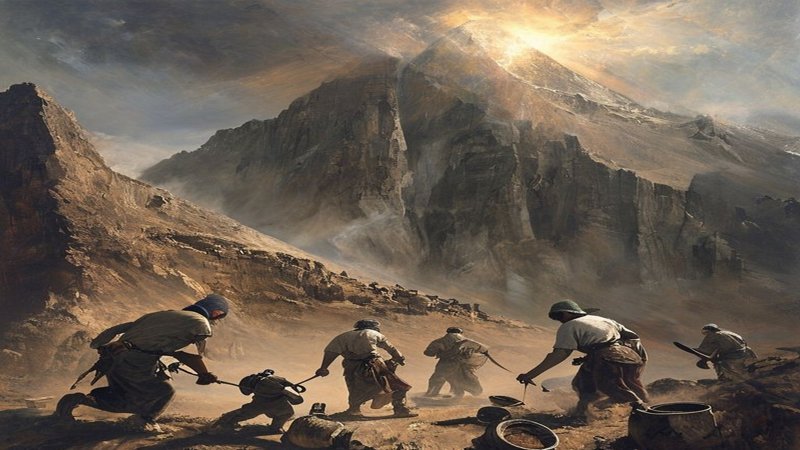
The South American Andes are guardians of profound secrets. Deep within these highlands lies the structure known as the Grand Tunnel Passage, a monumental subterranean construction that defies the known physics of that distant historical epoch. Geologists visiting the site have been astonished, noting that the rock composition is not easily workable; it consists of extremely hard volcanic stone, demanding sophisticated cutting methodologies. Consider the immense physical exertion required for manual labor at altitudes exceeding 4,000 meters above sea level, where oxygen depletion renders every movement a struggle for survival.
The tunnels feature characteristics that conventional history struggles to explain:
Evidence of High-Heat Vitrification
One of the most compelling pieces of evidence suggesting non-conventional construction methods is the widespread presence of rock vitrification. Delving further into the tunnel, researchers have identified evidence of extremely high thermal exposure in certain tunnel sections, resulting in surface glazing. This process necessitates temperatures surpassing 1,200 degrees Celsius, heat levels impossible to achieve using basic wood torches or conventional fire. The technique closely resembles industrial processes utilized today. This finding completely undermines the conventional narrative suggesting the builders were merely simple tribal agriculturalists. The question remains: How could ancient Andean inhabitants generate such immense heat deep within the earth? This implies access to advanced energy sources, perhaps similar to the alleged power sources connected with sites discussed in articles like Sumerian Copper Cups: Ancient Batteries, Cosmic Communicators, or Lost Tech?
Celestial Engineers and Astronomical Alignment
Local Andean mythology recounts superior entities descending from the heavens in antiquity, instructing humanity in architecture, agriculture, and celestial mechanics. They name figures such as Viracocha, their creator deity, who allegedly emerged from Lake Titicaca to structure the world. These narratives portray these entities not merely as mystical gods, but as masterful engineers who possessed tools that seemingly superseded natural laws.
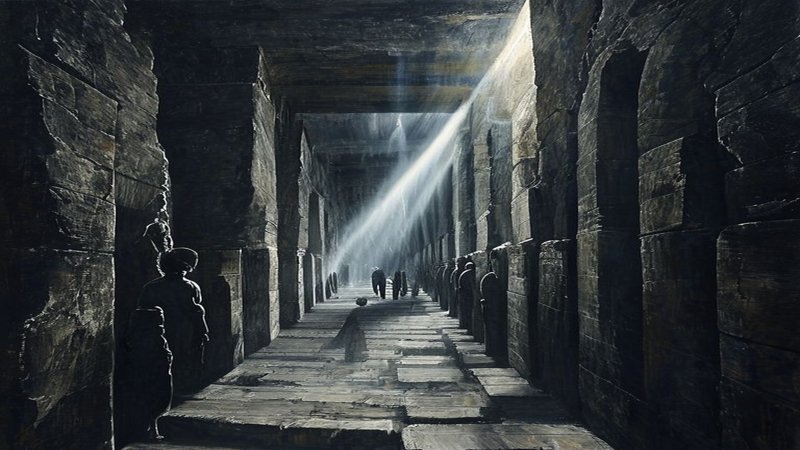
Observing the tunnel’s precise linearity and the perfectly perpendicular angles, one is compelled to question its purpose. Geological investigation shows the design is not arbitrary but adheres to precise astronomical mapping. On specific days of the year, sunlight penetrates small upper vents, illuminating designated areas within the Grand Tunnel Complex, functioning seemingly as a cosmic compass pointing toward distant stellar bodies. This synthesis suggests that the builders possessed comprehensive cosmological knowledge.
The Pre-Inca Chronology and Lost Megalithic Builders
Official historical accounts often attribute the construction of such sites to the Inca civilization. However, geological data indicates that the Grand Tunnel Complex predates the Inca by millennia. When questioned about these monumental structures, the Inca themselves stated that they found them already in existence, attributing their construction to giants from a preceding epoch. This testimony introduces a perplexing chronological discontinuity in the human historical record—a lost civilization possessing technology that exceeds contemporary imagination.
The sheer volume of rock blocks moved within these tunnels is staggering. Some weigh tens of tons and were fitted together without mortar or adhesive, achieving a precision so fine that a razor blade cannot pass between the stones. This technique is known as megalithic construction, documented globally, similar to structures like Stonehenge’s Lost Builders: Unraveling the Mystery of Their Disappearance.
The Network of Sealed Chambers and Hidden Truths
Contemporary researchers utilizing radar-imaging technology have discovered a complex network of concealed chambers and subsidiary passages extending for indeterminate distances behind the primary walls. Accounts exist of explorers who entered the system and were never seen again, prompting some authorities to seal access points due to safety concerns. This inherent mystery only deepens the desire to uncover the truth. The tunnels are rumored to house ancient metallic libraries or historical records detailing our planet’s events since creation, suggesting they are much more than mere transit routes. The enduring allure of these tunnels taps into our inherent affinity for the unknown and the possibility that superior intellects once walked our planet.
Frequently Asked Questions
What is the primary engineering anomaly found in the Grand Tunnel Passage?
The primary anomaly is the extreme precision of the carving, achieved in hard volcanic rock at high altitudes (above 4,000 meters). The walls are noted for their glass-like smoothness and perfectly planar surfaces, suggesting sophisticated cutting technology beyond ancient manual capabilities.
What is rock vitrification and why is it significant to the tunnels?
Rock vitrification is a process where the rock surface is glazed due to exposure to extremely high temperatures, often exceeding 1,200 degrees Celsius. Its presence in the tunnels is significant because ancient Andean civilizations lacked the technology to generate and sustain such intense heat deep underground, suggesting the builders possessed advanced industrial processes.
Did the Inca build the Grand Tunnel Complex?
No. Geological data suggests the Grand Tunnel Complex predates the Inca civilization by thousands of years. The Inca themselves stated that they found the structures already in existence and attributed them to giants from a preceding, lost epoch.
How do local Andean myths relate to the tunnels’ construction?
Local mythology, centered around deities like Viracocha, describes celestial entities descending from the heavens who acted as masterful engineers. These stories suggest that the builders possessed superior knowledge in architecture, astronomy, and advanced tools, aligning with the observed characteristics of the tunnels.