Unit 731: Japan’s Horrific Human Experiments & America’s Controversial Immunity
Unit 731: Japan’s Horrific Human Experiments & America’s Controversial Immunity
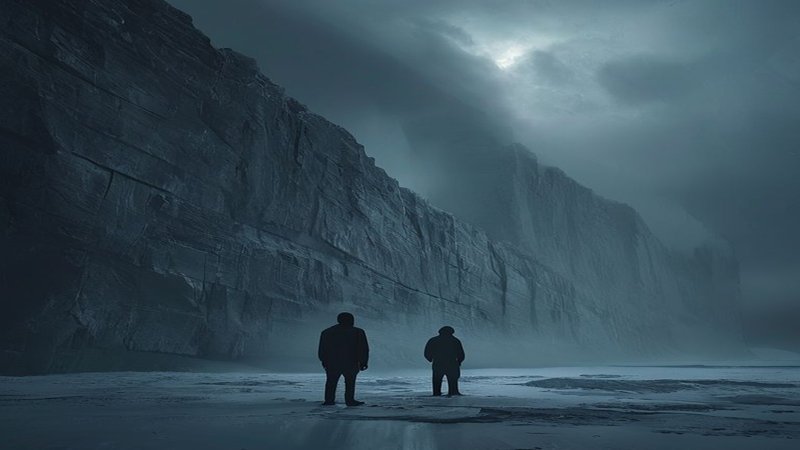
Imagine standing before an ice wall on a brutally cold night in Manchuria. You hear a scream that tears through the silence but finds no echo. Behind these walls, humans were no longer human; they had become mere pieces of wood prepared for burning. This is the story of Unit 731, the black hole in human history that everyone tried to forget.
Navigate Content
The Birth of a Nightmare: Shirō Ishii and Unit 731
In the early 1930s, specifically in 1932, Japan was building an empire in East Asia where the sun never set. During this time, the name of an ambitious military doctor named Shirō Ishii emerged. Ishii was no ordinary physician seeking to heal the sick; he saw science as a means of mass destruction. Ishii convinced the military leadership that the coming war would not be decided by artillery, but by bacteria and viruses. Thus, Unit 731 was born under the deceptive designation of the Epidemic Prevention and Water Purification Department.
Pingfang: The Human Laboratory
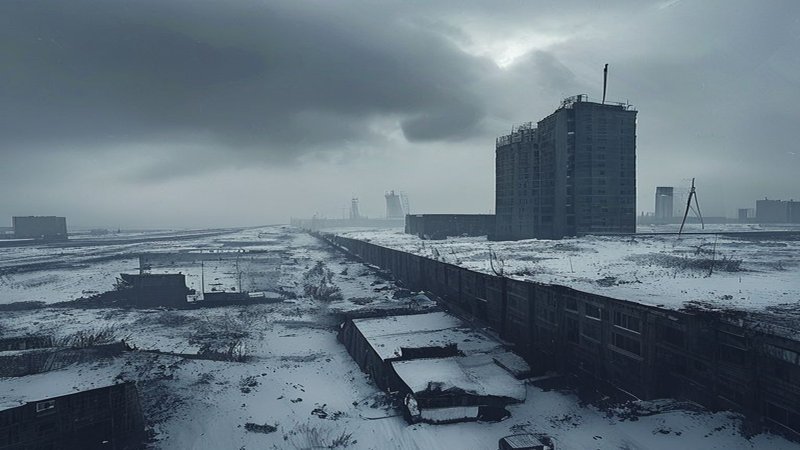
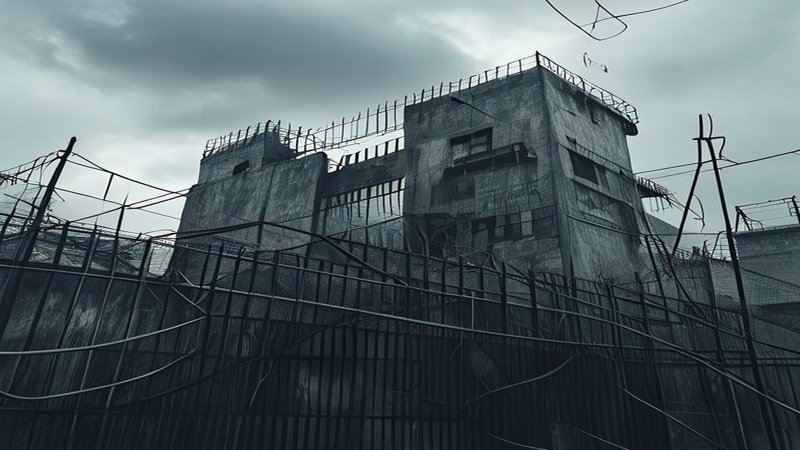
The unit relocated to the Pingfang district in Harbin, China. There, a massive complex was constructed, comprising over 150 buildings across an expansive area. The compound was surrounded by high walls and electrified barbed wire. This facility was the factory that would turn human beings into laboratory rats. The Japanese scientists dubbed their victims Maruta, a Japanese word meaning pieces of wood or logs. To these doctors, the victim was not a person with a name, family, and dreams; they were merely experimental material to be consumed and disposed of in incinerators.
Unspeakable Atrocities: Experiments on Living Humans
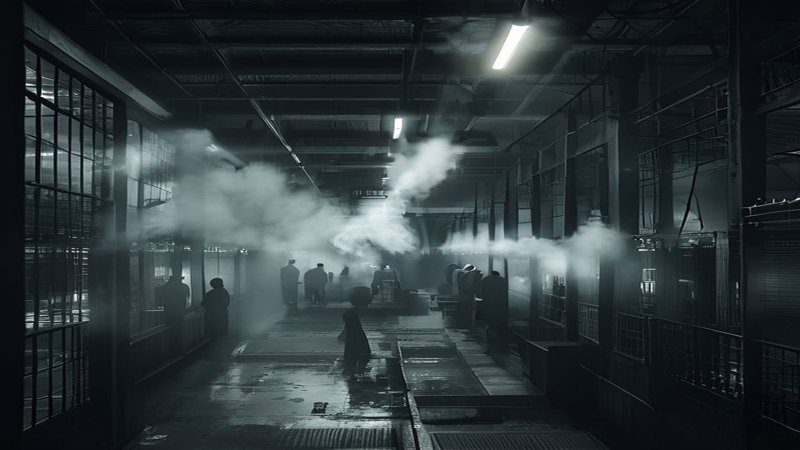
You are now at the heart of the laboratory, smelling the pervasive scent of chemicals and death wafting from every corner. Ishii was obsessed with studying the human body’s endurance under the harshest conditions.
- Autopsies were performed on living subjects without any form of anesthesia. The doctors believed that anesthesia corrupted scientific results and altered organ function. Imagine the terror of a person watching their body opened before their eyes while fully conscious. Screams tore through the walls, yet the doctors continued their work with cold detachment, recording observations, measuring blood flow rates, and monitoring cardiac arrest. This horrific dehumanization illustrates how individuals can be conditioned, or their minds subconsciously manipulated, to commit unimaginable acts.
- The atrocities did not end there. Experiments involving gangrene and extreme cold were conducted. Victims were taken outdoors in temperatures plummeting to minus forty degrees Celsius. Their limbs were tied down and doused with water until they froze solid. The doctors would then strike the frozen limbs with sticks until they emitted a sound resembling the impact of wood. Subsequently, the frozen limbs were immersed in warm water to study the rate at which flesh separated from bone. The objective was to find a treatment for Japanese soldiers fighting in cold regions, but the cost was thousands of mercilessly destroyed lives.
- You are now witnessing the zenith of human madness. High-pressure experiments were performed, wherein individuals were placed in glass chambers and the air was gradually withdrawn. Scientists monitored how the victims’ organs expanded, how their eyes burst from their sockets, and how intestines extruded from the body due to pressure differentials. There were no limits to their dark curiosity. Animal blood was injected into human veins to observe the outcome. Victims’ organs were swapped; an arm was severed from one person and reattached elsewhere on the body in reverse orientation.
Biological Warfare: Spreading Death and Disease
In another section of the complex, biological weapons were being developed. Scientists cultured millions of plague-infected fleas. Special ceramic bombs were designed to detonate at a specific altitude, scattering these fleas over Chinese villages and cities. These were not just laboratory trials; actual attacks were executed, leading to the deaths of hundreds of thousands of Chinese civilians. Plague, cholera, and anthrax spread across vast areas, while the Japanese observed from a distance, recording results and counting the dead, as if conducting an experiment on field insects.
The Cover-Up: Destruction, Escape, and a Secret Deal
As World War II neared its end in 1945 and the Soviet Army approached Manchuria, Shirō Ishii issued orders to destroy everything. All remaining victims, estimated to be in the hundreds, were executed by poison or firing squad. Buildings and laboratories were demolished to conceal evidence of the crimes. Staff and scientists were ordered to take their secrets to the grave, threatened with death should they reveal what transpired within those walls. This extensive effort to erase history brings to mind other cases of suppressed truths, like the city erased from all maps. Ishii and his team fled to Japan, carrying with them their most prized possessions—not gold, but the vast volumes containing the results of their human experiments.
Immunity for Atrocity: America’s Controversial Decision
Here begins the most controversial phase of this story. When Japan surrendered, the United States became aware of the existence of this Unit. Instead of bringing these scientists to war crimes tribunals, as occurred at Nuremberg, the American leadership made a secret and shocking decision. General Douglas MacArthur brokered a deal with Shirō Ishii and his team. The agreement was simple and horrifying: the Japanese scientists would receive full immunity from prosecution in exchange for handing over all the documentation and experimental data from Unit 731 to the United States. Washington considered this data invaluable. The experiments conducted on humans could not be replicated in the free world. Information on biological weapons and the effects of lethal diseases on the human body was a strategic treasure at the onset of the Cold War. The documents of Unit 731 remained hidden in American and Japanese archives for decades. The existence of the Unit was long denied entirely by the Japanese government. However, truth, like water, always finds a way to seep out, much like the persistent rumors of the 1941 winter conspiracy. Thus, the doctor-murderers returned to their normal lives in Japan. Some became deans of medical schools, others founded major pharmaceutical companies, and some assumed high-ranking government positions. As for Shirō Ishii, the architect of this entire hell, he lived in peace until his death from cancer in 1959, having served not a single day behind bars.
Frequently Asked Questions
Generated by AI Content Architect
About The Author