Stonehenge’s Lost Builders: Unraveling the Mystery of Their Disappearance
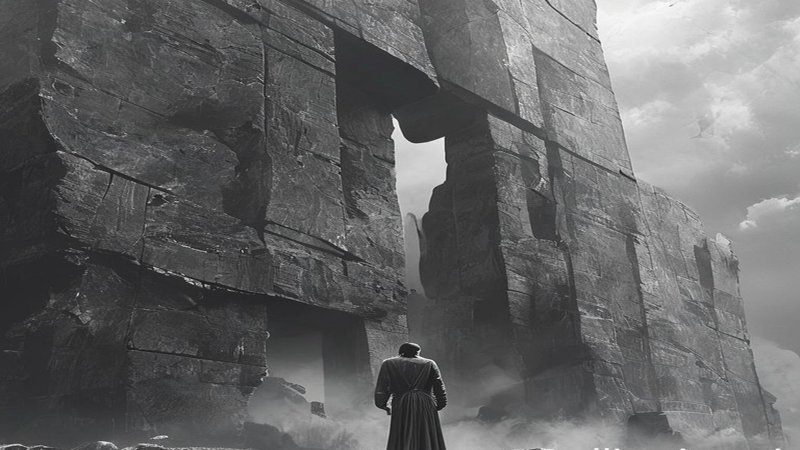
Consider the experience of confronting monumental stones that appear to defy the constraints of ancient physics and the limits of human physical capability. One observes an enigma that has persisted for five millennia. The true authorship of Stonehenge presents implications potentially more profound than traditional historical accounts suggest.
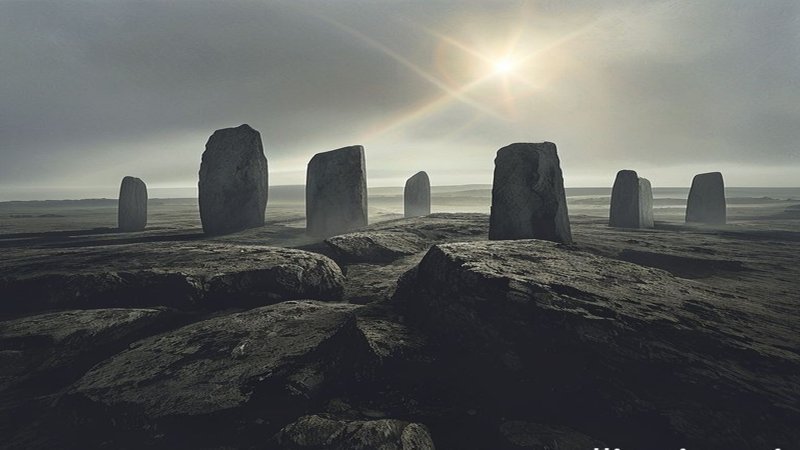
The site is situated on the Salisbury Plain in England. The wind’s passage through the interstices of the colossal megaliths creates an audible effect. Visible are massive sarsen stones, some of which exceed thirty tons (approximately sixty thousand pounds) in weight. One is prompted to contemplate how a civilization, seemingly lacking advanced technologies such as the wheel or steel, managed to elevate these immense blocks. Conventional explanations propose the use of ropes and wooden rollers, along with the application of significant collective human effort and rudimentary force. However, close observation reveals a level of precision indicative of engineering sophistication still being comprehended. The prevailing narrative characterizes the builders as simple agrarian societies or Neolithic tribes employing basic implements. Nevertheless, archaeological investigations at this site increasingly challenge the veracity of these traditional accounts, suggesting a deeper understanding of ancient construction secrets.
The Acoustic Bluestones: A Symphony in Stone
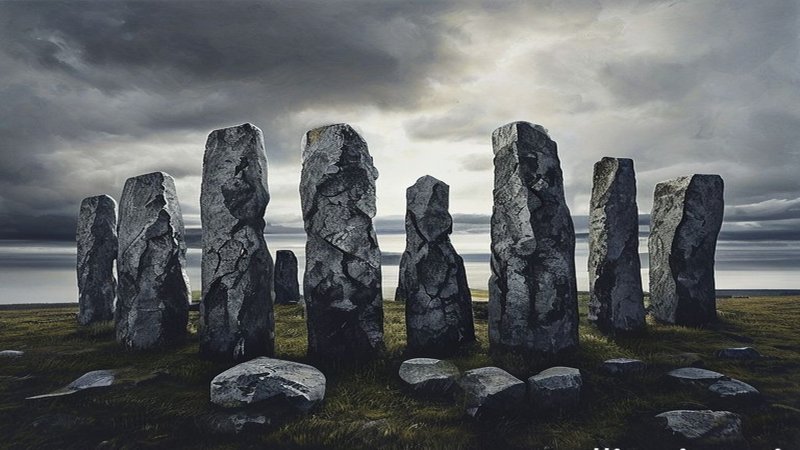
Consider the bluestones. These smaller pillars form the central component of the circular structure. They are not indigenous to this region of England. These stones originate from the Preseli Hills in Wales, a distance exceeding one hundred and forty miles (approximately two hundred and twenty kilometers). Their transportation would have necessitated traversing mountains, forests, rivers, and navigating the challenging waters of the Bristol Channel. The logistical complexity of relocating four tons of rock across two hundred and twenty kilometers of rugged terrain is considerable. This raises questions regarding the motivation for such an undertaking and the deliberate selection of these particular stones from that specific geological source. Geological analyses have revealed unusual acoustic properties inherent in these bluestones. Upon percussion, they emit a resonant, bell-like tone, rather than the dull impact characteristic of common rock, exhibiting a distinct metallic resonance. One might infer that the builders sought not merely building material, but specific auditory qualities. This suggests a potential intent to construct not solely a visual temple, but rather a structure optimized for acoustic frequency.
Engineering Marvels Beyond Their Time
Closer examination of the construction methods is warranted. The stones are not simply stacked; they are interconnected using sophisticated joinery techniques. Evident are:
Mortise and tenon joints
Tongue and groove connections
These are techniques typically employed by skilled carpenters. Their application to solid sarsen stone implies a foresight spanning generations and a meticulous planning phase, suggesting a comprehensive pre-visualization of the finished structure. This level of craftsmanship is inconsistent with the capabilities of nomadic tribes, pointing instead to a civilization with an advanced understanding of geometry and physics. Noticeable are the subtle tapers in the upright stones, which are wider at the top than at the base. This design feature generates an optical illusion, whereby the stones appear perfectly straight and uniform when viewed from ground level. This technique, known as entasis, was later famously employed by the Greeks in the Parthenon, millennia after Stonehenge’s construction. This raises the fundamental question of how the inhabitants of ancient Britain possessed architectural knowledge comparable to that of the Mediterranean masters.
The Vanishing Act: A Genetic Enigma
The inquiry into the identity of the creators takes a compelling and somewhat unsettling turn when considering genetic evidence. In 2019, a comprehensive DNA study was conducted on the human populations inhabiting Britain during the period of Stonehenge’s construction. The findings were remarkably significant. Within a few centuries of the monument’s completion, the indigenous population of Britain underwent an almost complete genetic replacement by a group identified as the Bell Beaker people. This event constituted not a gradual cultural assimilation, but a profound genetic shift, with an estimated ninety percent of the local gene pool disappearing. This prompts questions regarding the fate of the original builders: Did they emigrate? Were they eradicated? Or did they simply complete their undertaking and depart? The genetic records offer only an enigmatic trace of the original architects. They appear to have concluded their monumental work and subsequently exited the historical record.
The Amesbury Archer and International Ties
The discovery of the individual known as the Amesbury Archer warrants consideration. His grave was unearthed merely a few miles from the stones in 2002. He lived approximately 4,300 years ago. His burial included gold and copper artifacts, representing the oldest metal objects yet discovered in Britain. He was evidently an individual of considerable power and wealth. However, analysis of oxygen isotopes in his dental remains revealed a remarkable finding. He was not indigenous to Britain, having spent his formative years in the Alpine regions, likely corresponding to modern-day Switzerland or Austria. This indicates an individual who traversed a continent to arrive at this specific location. He transitioned from an outsider to an elite member of the society responsible for the maintenance of the stones. This suggests that Stonehenge functioned not as a mere local shrine, but as a site of international significance. It served as a nexus of influence, attracting individuals from vast distances and representing a focal point for the most sophisticated intellects of the ancient world.
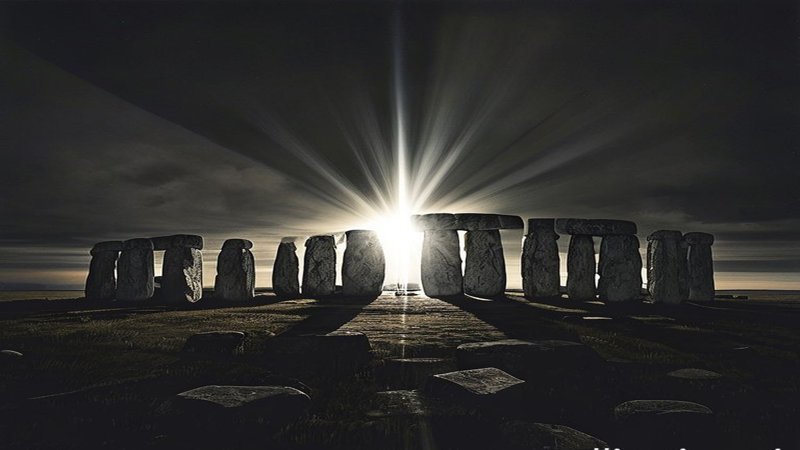
Furthermore, the astronomical alignments of Stonehenge merit examination. Stonehenge functions as a sophisticated celestial observatory, precisely marking key events like the summer and winter solstices. This demonstrates an advanced understanding of celestial mechanics and a deliberate intention to integrate cosmic observation into the very fabric of the monument’s design, adding another layer to its enduring mystery.
Frequently Asked Questions
What makes the construction of Stonehenge so mysterious?
The construction of Stonehenge is mysterious due to the immense size of its sarsen stones, some weighing over thirty tons, which were moved and erected with engineering precision despite the apparent lack of advanced ancient technologies like the wheel or steel. Conventional explanations often fall short of explaining the observed sophistication.
Why are the bluestones of Stonehenge particularly intriguing?
The bluestones are intriguing because they originate from the Preseli Hills in Wales, over 140 miles away, necessitating incredible logistical effort for transportation. Additionally, they possess unique acoustic properties, emitting a metallic, bell-like tone when struck, suggesting they were chosen for specific auditory qualities to create an acoustic temple.
What advanced engineering techniques were used in Stonehenge?
Stonehenge showcases sophisticated engineering techniques including mortise and tenon joints, as well as tongue and groove connections, typically associated with skilled carpentry. It also features ‘entasis,’ a subtle tapering of upright stones to create an optical illusion of perfect straightness, a technique famously adopted by the Greeks millennia later in structures like the Parthenon.
What does genetic evidence suggest about Stonehenge’s original builders?
A 2019 DNA study revealed an almost complete genetic replacement of Britain’s indigenous population by the Bell Beaker people shortly after Stonehenge’s completion. This profound genetic shift, with ninety percent of the local gene pool disappearing, raises significant questions about the fate of the original builders: whether they emigrated, were eradicated, or simply departed after their monumental work.
Who was the Amesbury Archer and what does his discovery tell us about Stonehenge?
The Amesbury Archer was a wealthy individual, buried near Stonehenge 4,300 years ago, whose grave contained the oldest metal artifacts found in Britain. Oxygen isotope analysis of his teeth revealed he was not indigenous to Britain, originating from the Alpine regions (likely Switzerland or Austria). His presence suggests Stonehenge was a site of international significance, attracting elite individuals from vast distances.