The Killer Algorithm: Is AI Deceiving You in Love?

0
image_10-117


The Killer Algorithm: Is AI Deceiving You in Love?
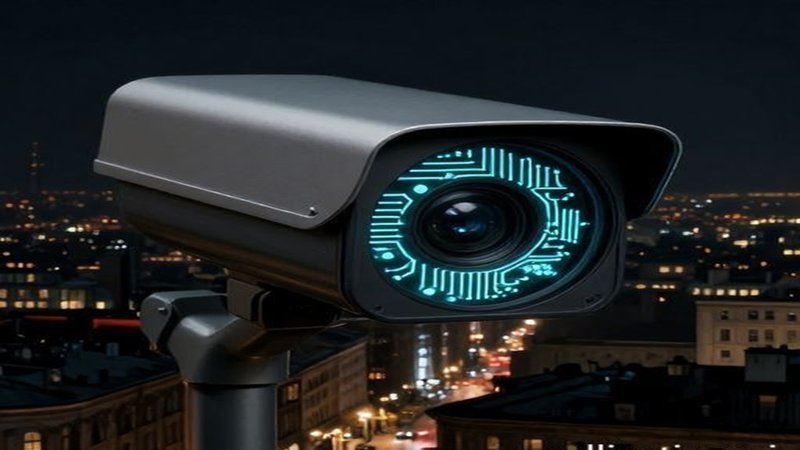
You believe you chose your life partner of your own free will, inspired by your pulsating heart. The dark truth is that a silent algorithm, residing in a cold server room, engineered this encounter months before it occurred. You are not a lover on a quest for your other half; rather, you are merely a data packet, meticulously sorted, classified, and directed with a terrifying automated precision that challenges the very concept of human sovereignty.


The End of Coincidence: AI’s Grip on Connection

The era of beautiful coincidences and spontaneous encounters, once governed by fate in cafes or under the drizzle, has ended. We now live in an age of digital servitude, where artificial intelligence dictates who merits your admiration and who should be erased from your memory with a single swipe. This is not a fleeting technological advancement; it is a fundamental redefinition of human nature and the way we feel, love, and connect. Today, the machine holds the keys to your deepest desires and knows more about your emotional inclinations than you do about yourself in your rarest moments of sincerity. This unseen control over our connections echoes themes explored in Internalized Social Control: Escaping the Hidden Prison of Societal Scrutiny, where societal forces, now digital, shape our choices without our explicit awareness.

The End of Coincidence: AI's Grip on Connection


Reducing Emotion to Data: The Algorithm’s Gaze

Let us consider this technology, which has made astounding leaps with remarkable speed, reducing our emotions to mere inputs in a complex mathematical equation. Major corporations are not selling you love; they are selling you canned hope within dazzling software interfaces. The algorithm monitors your digital heartbeats with disturbing regularity. It discerns how many seconds you paused on a particular image and how many times you reread a specific profile. It tracks your footsteps in every corner of the city, knows the cafe you frequent, and the park you escape to when the world feels constricting. This spatial and temporal data is not merely numbers; it is pieces of your identity puzzle that the machine uses to pre-determine your emotional trajectory. This detailed data consumption mirrors the concerns raised in The Black Box Secret: How Your Phone’s Enigmatic Entity Consumes Your Digital Soul.


Digital Apartheid and Psychological Manipulation

In the past, humans relied on intuition, body language, and the chemistry that emerged during a first encounter. Today, this complex human intuition has been replaced by artificial intelligence that analyzes the words you use in your conversations, your preferred emojis, and even the music you listen to in moments of sadness. The machine seeks patterns and categorizes you into rigid behavioral templates. If you enjoy a specific genre of films or follow a particular diet, the algorithm will surround you with individuals exactly like you, creating a suffocating emotional bubble that prevents you from discovering difference or growing through natural human variation.

This deep penetration of machines into the selection of our romantic partners creates a systematic psychological manipulation. Dating app companies utilize principles of behavioral psychology to make you dependent on their use. They rely on what is known as variable reinforcement, the same technique employed in casino slot machines. You swipe left and right, searching for that dopamine hit that accompanies a match. You are not seeking a partner; you are seeking digital validation of your attractiveness. The algorithm recognizes this human vulnerability and exploits it to keep you captive to the application for as long as possible, because your continued searching means more data and more profits for these companies.

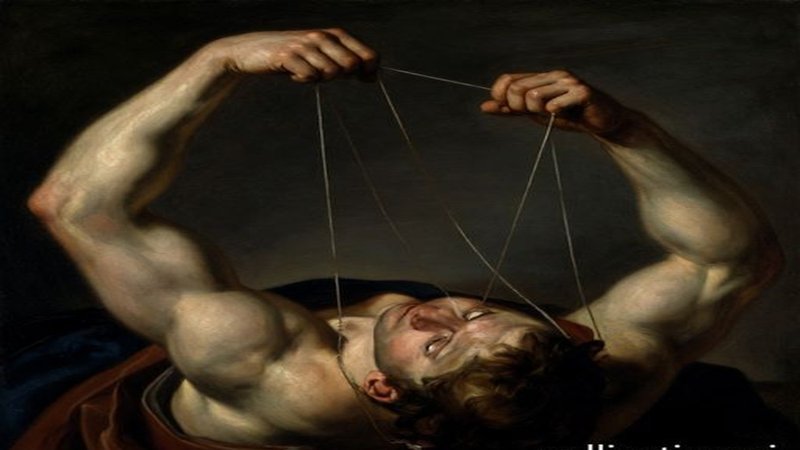
Let’s discuss the Elo algorithm, which was used for many years to rank dating app users. This system assigned each individual an attractiveness score based on who showed interest in them. If someone with a high rating liked you, your rating would also increase. You were literally reduced to a numerical value that determined which individuals you were allowed to see. If your number was low, the algorithm would conceal more attractive individuals from you, confining you to a specific digital social stratum. This form of digital apartheid occurs silently and imperceptibly. You believe these are the only available options, while the truth is the machine has decided you are not worthy of accessing others. The insidious nature of such hidden systems is also explored in Sunk Cost Fallacy: Are Past Investments Jeopardizing Your Future Success?, showing how past ‘investments’ (in this case, digital engagement) can lead to continued, unfulfilling choices.
Digital Apartheid and Psychological Manipulation


The Paradox of Choice and Perpetual Anxiety

The painful paradox is that these tools, which claim to bridge distances and facilitate communication, have intensified feelings of loneliness and alienation. When humans become available as commodities in an infinite store, emotional attachment diminishes, and the ease of abandoning others increases. Why exert effort to mend a struggling relationship when the algorithm informs you that thousands of other options await you with a single swipe? This false abundance creates what psychologists call the paradox of choice. When humans have too many choices, they experience decision paralysis and become less satisfied with any option they ultimately select. We live in a state of perpetual anxiety that we might have missed the better option that perhaps would have appeared with the next swipe. This constant search for ‘more’ highlights the struggle to Escape the Scarcity Trap: Shift Your Mindset to Abundance and Unlock Potential, even when surrounded by apparent plenty.


AI’s Deeper Penetration: Engineering Your Emotional Future

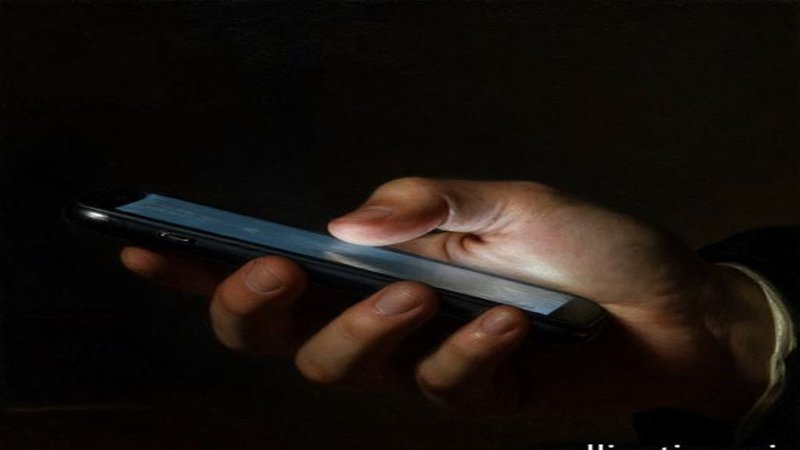
Artificial intelligence manipulates your self-perception. It knows when you feel vulnerable and when your need for attention intensifies. Precisely at those moments, the algorithm may present you with notifications or specific profiles to entice your return. This form of social engineering deprives you of control over your emotions, turning you into a passive consumer in the marketplace of affections. The machine is less concerned with your long-term happiness than with your daily interaction rate. Genuine human happiness is an arch-enemy of digital profit models, because a happy and content individual does not need to spend hours browsing applications.

The penetration of machines has reached deeper levels than merely recommending profiles. There is now software that analyzes your vocal tone in phone calls to assess your compatibility with the other party. There are attempts to use biological sensors in smartwatches to measure heart rate and perspiration upon seeing someone’s image. We are approaching a day when your smartwatch will tell you that a certain person is your suitable partner based on your physiological reactions, even if you feel otherwise. Can you imagine the horror of trusting a machine more than your own inner feelings? This raises questions about the future of identity and self, similar to those explored in Dream Recording Technology: When Your Subconscious Becomes Shareable Content, where our most intimate data could become externalized and controlled.
AI's Deeper Penetration: Engineering Your Emotional Future


Frequently Asked Questions

How do dating app algorithms influence who I meet?
Algorithms act as silent matchmakers, using your digital data—from pauses on images to location history—to pre-determine potential partners, effectively ending spontaneous encounters and challenging free will.
What is ‘digital apartheid’ in dating apps?
Digital apartheid refers to systems like the Elo algorithm, which assigned attractiveness scores to users. If your score was low, the algorithm would conceal more ‘attractive’ individuals, limiting your options to a specific digital social stratum without your knowledge.
How do dating apps psychologically manipulate users?
Dating apps employ behavioral psychology principles like variable reinforcement (similar to slot machines) to create dependency. They exploit the human need for digital validation, keeping users constantly swiping in search of a ‘dopamine hit’ from a match, thus ensuring continued engagement and data collection.
What is the ‘paradox of choice’ in online dating?
The paradox of choice describes how having too many options, like the vast number of profiles on dating apps, can lead to decision paralysis and reduced satisfaction with any chosen partner. It creates anxiety that a better option might be just a swipe away.

Generated by AI Content Architect

About The Author

Leave a Reply

Your email address will not be published. Required fields are marked *