Mars Life Search: Why Our Hunt for Extraterrestrial Life Might Be Flawed
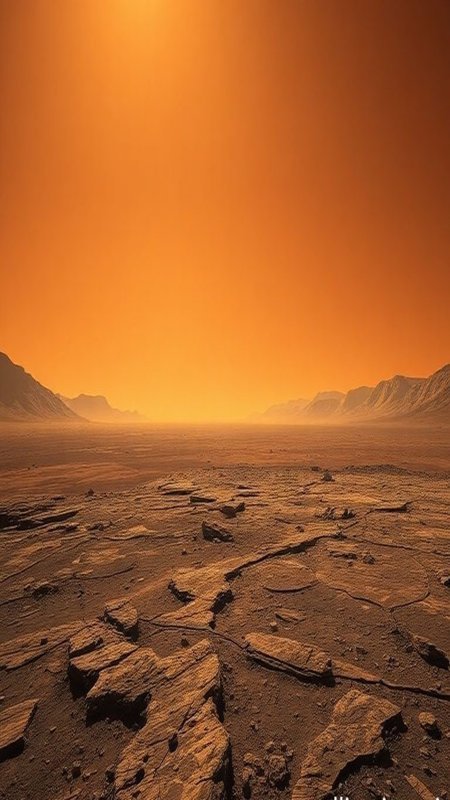
Mars Life Search: Why Our Hunt for Extraterrestrial Life Might Be Flawed
What if all our efforts to locate life on Mars have been fundamentally misguided? For millennia, humanity has dreamed of other worlds and kindred beings. Mars, the Red Planet, has consistently been the most alluring. Billions of dollars and dozens of sophisticated spacecraft have been dispatched, yet all we hear is profound cosmic silence. Why?
Navigate Content
The Golden Rule and the Historical Search
The mystery lies in our core assumption: where water exists, life follows. This terrestrial ‘golden rule’ forms the foundation of our Martian life search. Water channels were once theorized, followed by the disappointing results of the 1970s Viking missions. However, our understanding changed dramatically with the arrival of modern technology. If you are interested in the historical perspective of this conundrum, read The Martian Paradox: Why Our Search for Life on Mars Might Be Fundamentally Flawed.
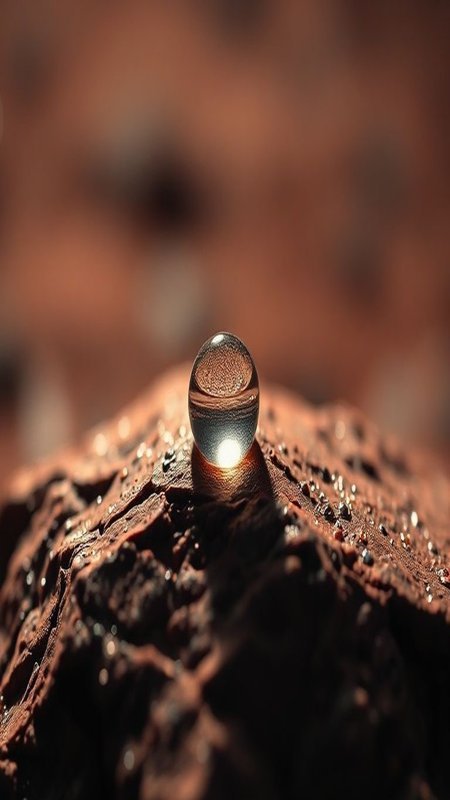
The Triumph of Water, The Silence of Life
Modern rovers, such as Curiosity and Perseverance, have fundamentally changed the picture. They have proven that Mars was once a watery world, boasting lakes, rivers, and even potable fresh water—a massive scientific triumph. But where is the life? We have found nothing. Herein lies the potential problem: our very methodology, which relies heavily on Earth-based assumptions. This disconnect between a wet history and a lifeless present is what fundamentally challenges our cosmic optimism.
Flaw 1: Assuming Surface and Terrestrial Biology
Our first major error is the assumption that Martian life, if it exists, would resemble Earth-like biology requiring stable liquid water on the surface. Yet, contemporary Mars is arid, frigid, and subject to lethal radiation—conditions precluding the existence of surface water. Our search methods have failed to adequately account for these extreme environmental shifts. We have only looked for life in places where it would have already perished due to current conditions.
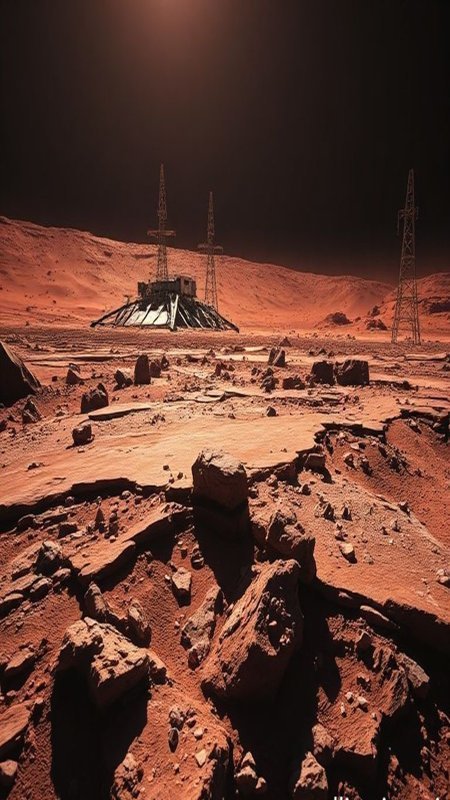
Flaws 2 & 3: Depth and Non-Terrestrial Signatures
The methodology is compromised by two other critical constraints. Our exploration has been exceptionally superficial, and our imagination remains tethered to terrestrial chemistry. Consider these issues:
Rethinking the Search: Subsurface Retreat and Methane
What if Martian life has simply retreated? Most missions have only penetrated a depth of a few centimeters. What if life exists at greater depths where:
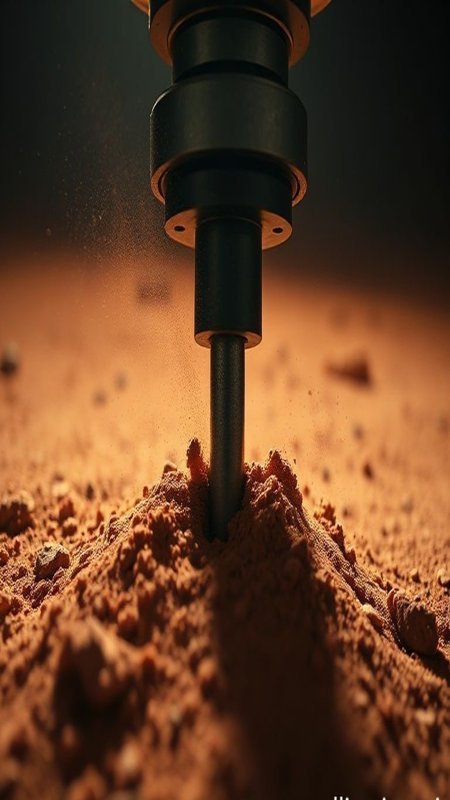
The Martian Methane Puzzle
Finally, we have focused exclusively on ‘terrestrial’ biosignatures. What if Martian life chemistry is fundamentally different, evolving in ways we have not conceived? Have we overlooked genuine evidence? The Martian methane puzzle, whose levels fluctuate mysteriously, could be a key indicator of hidden biological (or geological) activity. Is Mars concealing life forms that defy our current imagination? For more on the limitations of our search, see Mars Life Search: Have We Misunderstood the Hunt for Alien Life?
Frequently Asked Questions
Generated by AI Content Architect
About The Author