Vimana Aircraft: Ancient India’s Secret Jet Technology, Mercury Engines, and Nuclear War
Imagine opening an ancient codex to find within its pages architectural schematics for jet engines and weapons of mass destruction (WMD), at a time when historians generally assume your ancestors were skilled only in stone carving. Could the technology we celebrate today merely be a recovery of knowledge lost to the sands of deep time? You are about to embark on a journey that fundamentally challenges the foundational narratives concerning the dawn of human civilization found in official history books.
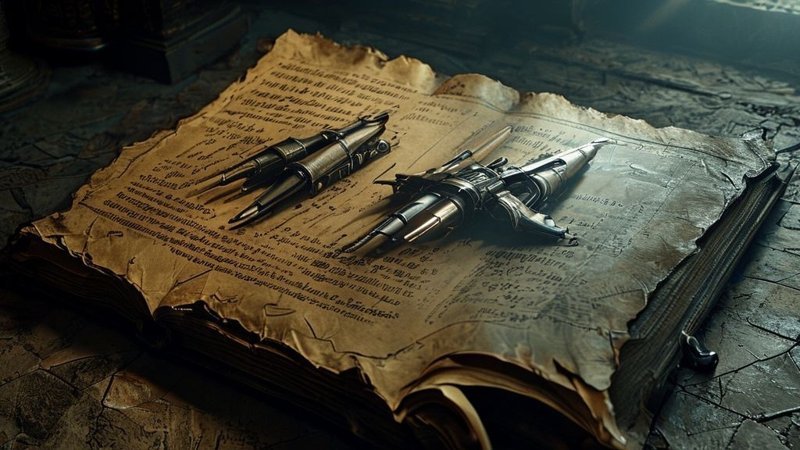
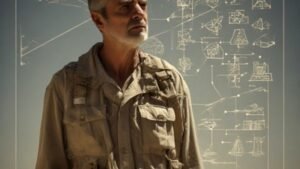
In the heart of India, amidst library shelves housing thousands of Sanskrit manuscripts, rest texts describing flying machines known as Vimanas. These are not mere poetic myths or wild fantasies; they are technical records par excellence. The Vaimanika Shastra manuscript, attributed to the sage Bharadwaja, contains astonishing details that defy traditional notions of antiquity. This manuscript does not describe a magical flying carpet but meticulously details thirty-one constituent parts of the propulsion system. Reading these passages evokes the feeling of reviewing a modern military aircraft maintenance manual, rather than an ancient religious text.
Examine the precise engineering descriptions. The texts detail four primary Vimana types, including the Shakuna Vimana, which features bird-like aerodynamic design, and the Rukma Vimana, noted for its shimmering golden color and capacity for prodigious speeds. They also describe capabilities that mirror modern innovations, such as:
Optical Systems: References to reflective mirrors, optical lenses, and heat and light sensors.
Stealth Technology: A capability designated Antardhan—a technique enabling the Vimana to become invisible by absorbing or deflecting light, confusing both the human eye and detection machinery.
Propulsion and Advanced Metallurgy
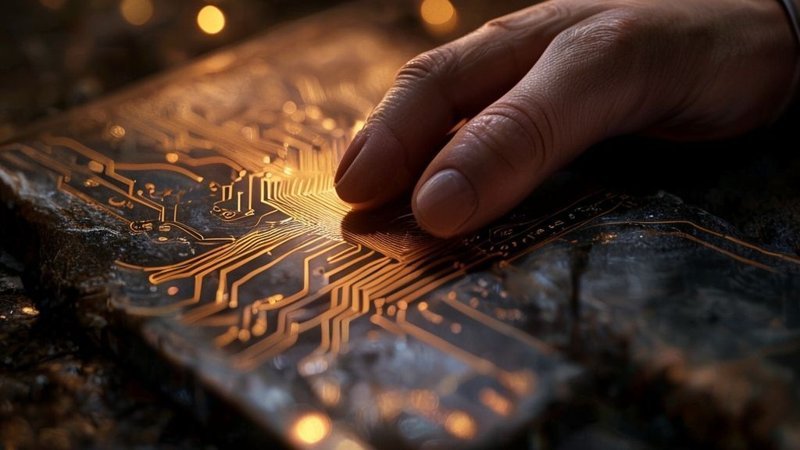
Truly astonishing is the discussion of fuel and engines. The texts mention the use of mercury as an energy source. The Samarangana Sutradhara describes how mercury is heated by powerful iron boilers, generating a cyclonic propelling force. Imagine the sound of this engine tearing through the silence of ancient forests, and the glow it emitted as it cut across the sky. Modern science has only recently begun to explore the unique properties of mercury for spacecraft propulsion. How did these ancient peoples know that this heavy metal held the key to motive power?
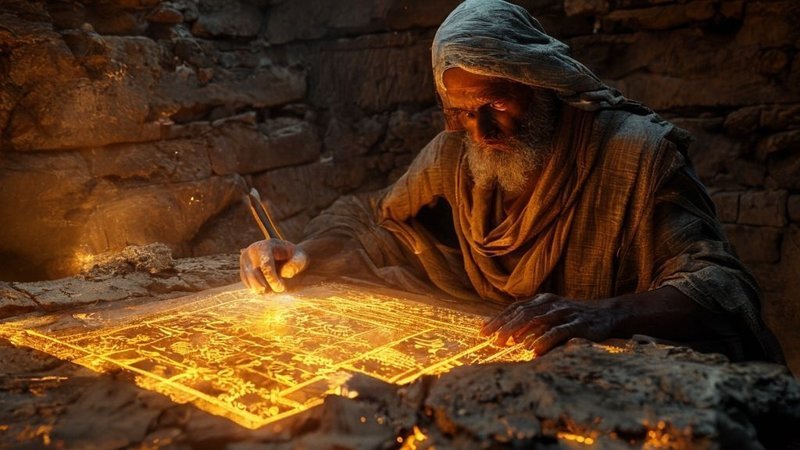
Furthermore, the manuscripts mention the use of metals called Lohas, complex metallic alloys. They describe fusing copper, iron, and lead in specific ratios to produce lightweight materials with extreme resistance to frictional heat. The text stipulates that these materials must be non-breakable, non-combustible, and lightning-proof. This level of advanced engineering suggests the existence of high-precision smelting furnaces and sophisticated chemical laboratories, hinting at an infrastructure perhaps hidden beneath the surface, much like the secrets discussed in Ancient Subterranean Tunnels & Cities: Unraveling Earth’s Deepest Secrets.
Echoes of Nuclear War and Electronic Warfare
You are reading not merely about transport, but about terrifying military tactics. Indian epics like the Mahabharata and the Ramayana describe aerial battles fought in the upper atmosphere. The texts detail a weapon called Agneya, an arrow radiating light stronger than a thousand suns, leaving behind white dust that burned skin, caused feathers to drop, and turned water into boiling steam. Look closely at this precise sensory description; does it not recall a nuclear explosion? The texts further describe soldiers immersing themselves and their clothing in rivers after battle, as if fully aware of the dangers of nuclear radiation. This level of detail is a description of a decontamination protocol written millennia before the modern world understood the concept of the atom.
The Vimanas also possessed defensive technologies. The text describes a device called Pralaya (Annihilation) that could emit a light beam causing enemy crews to fall into deep sleep or suffer temporary blindness. This focus on neutralizing enemy aircraft using specific sound waves or frequencies truly echoes the microwave and electronic warfare tactics currently being developed in secret military laboratories.
The Great Historical Contradiction
We are faced with a dominant historical narrative that posits humans of that era lived in simple agrarian societies, tilling the land and using rudimentary tools. Conversely, we have literary and technical texts describing flight above the clouds, wireless communication, and laser weapons. This enormous disparity leaves us with two distinct possibilities:
Extraordinary Imagination: The texts are the product of human fantasy, thousands of years ahead of its time—a difficult probability given the engineering precision cited.
Lost Civilization: We are the heirs of a highly developed global civilization that suffered a catastrophic destruction, leaving only these encoded written records behind.
This striking contradiction is compounded by the lack of tangible physical evidence of these high-tech manufacturing centers in archaeological excavations. Yet, the texts remain, holding their precision like history’s most baffling puzzles, similar to the enduring mystery of The Voynich Manuscript: Unraveling History’s Most Enigmatic Undeciphered Book. Furthermore, the rigorous training detailed for Vimana pilots—including twenty-eight types of food to withstand atmospheric pressure and specialized clothing—confirms we are dealing with a holistic system integrating medical and physical sciences, not mere mythology.
Frequently Asked Questions
What primary Sanskrit manuscripts describe Vimana technology?
The primary technical text is the Vaimanika Shastra (attributed to the sage Bharadwaja), which details the components and operation of Vimanas. The Samarangana Sutradhara also provides descriptions of the propulsion system, specifically the use of heated mercury.
What evidence suggests the ancient texts describe nuclear weapons?
The descriptions of the weapon called ‘Agneya’ in epics like the Mahabharata refer to an explosion radiating light ‘stronger than a thousand suns,’ leaving behind white dust and causing symptoms consistent with radiation burns. Additionally, the texts detail decontamination protocols, such as soldiers immersing themselves in rivers after battle.
How were Vimanas allegedly powered?
The texts describe mercury propulsion. The mercury was reportedly heated by powerful iron boilers to generate a cyclonic propelling force, suggesting a deep, albeit unconventional, understanding of energy physics and metallurgy.
What is Antardhan?
Antardhan is the term used in the Vimana texts to describe a stealth capability. It is a technique enabling the Vimana to become invisible by absorbing or deflecting light, confusing both human sight and detection machinery, suggesting an awareness of radar or optical stealth millennia ago.