Triassic Giants: Rauisuchia, Phytosaurs, and the True Monsters That Ruled Earth
Triassic Giants: Rauisuchia, Phytosaurs, and the True Monsters That Ruled Earth
Navigate Content
The Overlords of Pangean Land
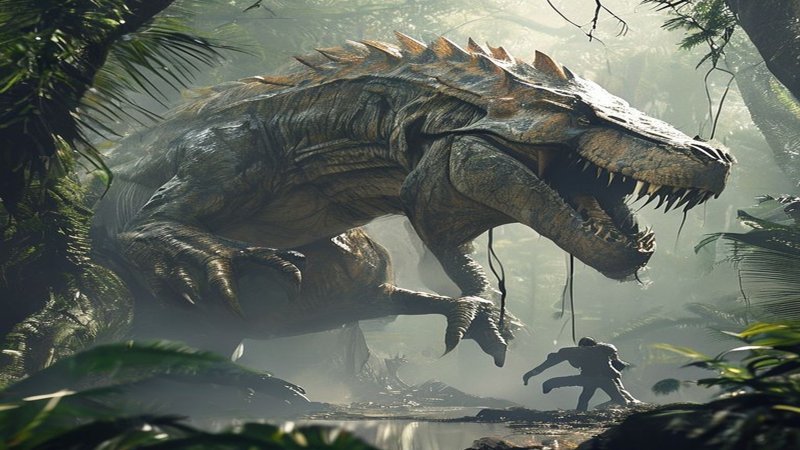
As you proceed through this strange forest, you feel a tremor beneath your feet. A peculiar creature, the Erythrosuchus, emerges from behind the trees. Observe its massive head; it constitutes a full third of its total body length. This organism represented the apex of evolution during that epoch. These monsters filled the void left by the Great Permian Extinction, proving that nature truly abhors a vacuum.
Key features of the land dominators:
- Rauisuchia: Crocodile relative with upright gait, designed for high-speed pursuit and featuring armored skin.
- Erythrosuchus: Relied on brute force, possessing a gigantic skull and a thick, muscular neck to support the immense weight, capable of crushing primitive turtle shells.
Sovereigns of the Deep and the Marsh
In the shallow marshes, where water mixes with mud, lies another equally fierce danger: the Phytosaurs. At first glance, you might mistake one for a massive crocodile, but look closely at its nostrils. They are not positioned at the tip of the snout, but near the eyes on the very top of the skull. This unique biological design allowed the Phytosaur to submerge completely, leaving only its sensory organs above the surface to monitor every movement of thirsty animals approaching the shore. This scene played out for millions of years, establishing the Phytosaur as the unchallenged sovereign of those stagnant waters.
The Quiet Ancestors: Survival Through Intelligence
The End of an Empire: The Triassic-Jurassic Extinction
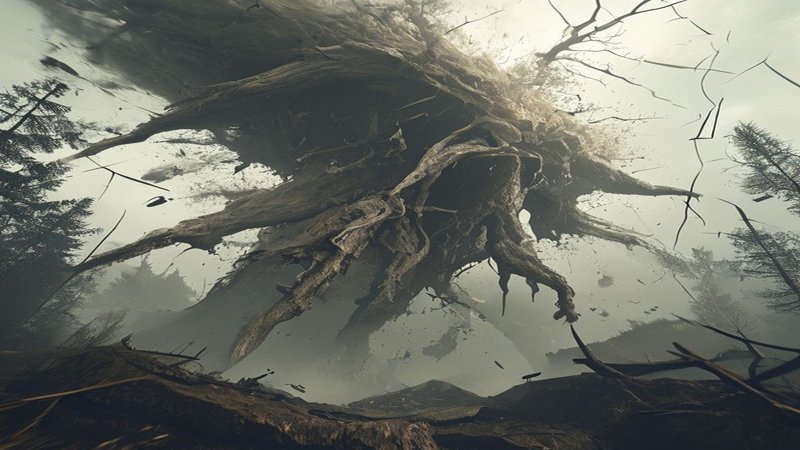
The giant beasts that dominated the world began to lose control. Their massive bodies, once their strength, became a liability in a world lacking food and stable climate conditions. Forests vanished, marshes dried up, and with them disappeared the Rauisuchia and the Phytosaurs, leaving behind a planet groaning under the weight of volcanic ash.
In this funereal setting, it was the smaller dinosaurs that found a path to survival. Thanks to their capacity for rapid movement and their efficient respiratory systems, they began to fill the niches vacated by the former overlords. It was the death of an empire of beasts, and the birth of the dinosaurian dynasty that would last for another 135 million years. The ground you walk on now is a mass grave for those magnificent creatures, and the dust particles you inhale may hold the remains of a bone from a monster that once ruled the world.
Frequently Asked Questions
About The Author