The Viking Secret of Silence: A Terrifying Psychological Weapon

0
image_1-16


The Viking Secret of Silence: A Terrifying Psychological Weapon
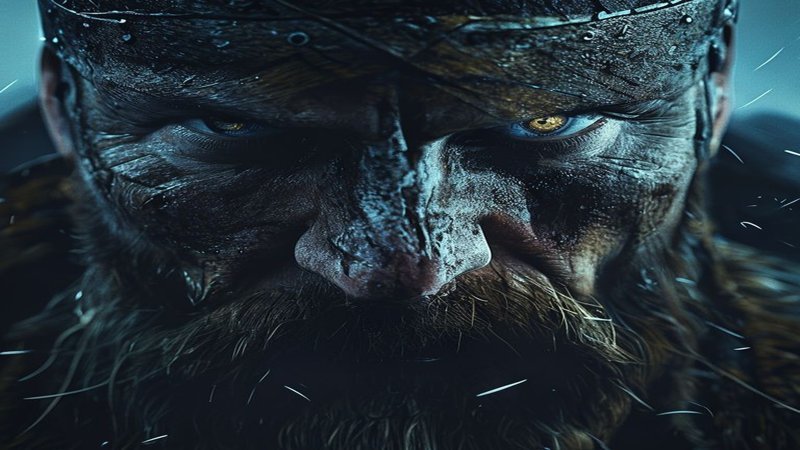
Imagine your silence being more powerful than your drawn sword. In the Viking world, strength lay not in shouting, but in the terrifying void between words. This was the secret of control that terrified kings and shook the thrones of Europe for centuries.


The Terrifying Power of Silent Presence
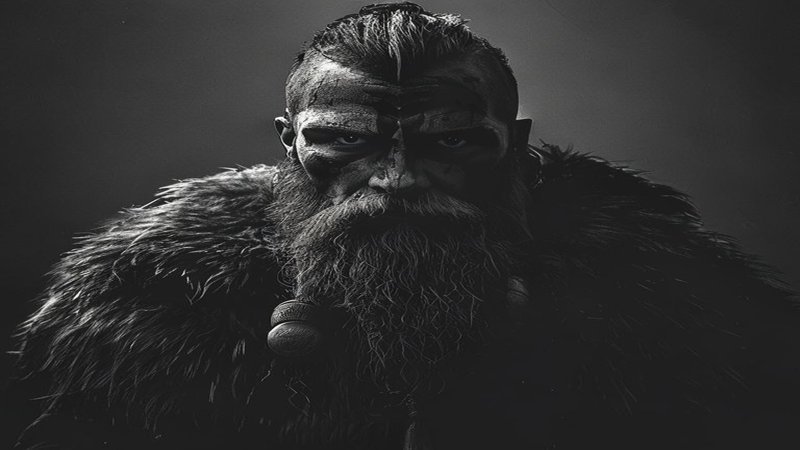
You now stand on a cold, rocky shore in the north of the Old Continent, over a thousand years ago. Harsh northern winds whip your face with a chill that freezes the blood in your veins. Before you stands a colossal man clad in wolf skins. He does not yell at you, nor does he threaten you with dire warnings. He merely gazes at you in absolute silence. His eyes, cold as ocean ice, penetrate the depths of your soul. This silence is not an absence of speech, but a deadly weapon. You feel disoriented and begin to speak, attempting to fill this unsettling void. In that very moment, you lose your psychological equilibrium and fall into the trap of control. The Vikings have lured you into their domain, where a single word weighs a mountain, and silence weighs an entire kingdom.

The Terrifying Power of Silent Presence


Beyond the Berserker Myth: Strategic Silence

Global cinema has painted a distorted picture of these warriors. You invariably see them in a state of continuous rage and shouting. Yet, historical truth reveals an entirely different narrative. The Vikings were masters of psychological maneuvering. They adhered to a profound philosophy that elevated silence to a sacred status. To them, a talkative man was weak, revealing the vulnerabilities of his mind to the enemy. A silent man, however, was an unsolvable enigma. You now realize that true strength lies in the capacity for self-control. The Vikings were not merely pirates; they were brilliant architects of dread.

Let us turn to their sacred texts, specifically the poem Hávamál. This poem is not merely verses; it is a constitution for life attributed to the god Odin. One of its maxims states that a wise man, upon arriving at a feast, should remain silent and listen with keen ears. Here, you observe that silence is a means of gathering information. While others spoke, boasted of their exploits, and drank deep of mead, the wise Viking warrior observed. He analyzed your weaknesses. He noticed the tremor in your hand or the hesitation in your voice. Silence, in this context, was an espionage tool par excellence. You might believe you are enjoying yourself, while he is mapping your downfall.


Psychological Warfare on the Battlefield and in Council

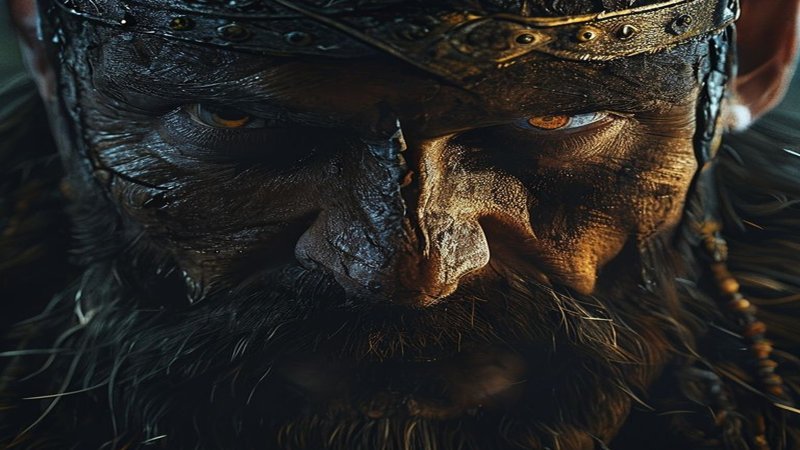
This psychological discipline extended to the battlefield. Imagine an army of thousands of fighters advancing towards you without uttering a single sound. No drums beat, no war cries fill the horizon. Only the sound of their heavy footsteps on the frozen ground and the terrifying, rhythmic clang of their shields colliding. This collective silence shattered the morale of enemy armies before the battle even began. You ask yourself: Why don’t they shout? Are they men, or demons immune to fear? This very question marks the beginning of psychological defeat. The Vikings understood that the unknown is humanity’s greatest fear. Through silence, they transformed themselves into an unknown walking on two feet.

In political assemblies, which they called the Thing, silence was paramount. A man who spoke excessively was regarded with suspicion and contempt. If you wished to be a leader in Viking society, you had to master the art of conciseness. Words were treated as rare gold coins, to be spent only when absolutely necessary. When a Viking chieftain spoke, he uttered few words, sharp as a blade. These words left a profound impact because they emerged from a long silence. You felt the weight of every syllable he spoke, knowing he did not utter it in vain. This was the essence of mind control. They compelled you to value their speech by rationing it.
Psychological Warfare on the Battlefield and in Council


The Deep Roots of Viking Composure

Let us delve into the psychological aspect of this behavior. Silence places the burden of communication on the other party. When you remain silent before someone, you force their brain to work at maximum speed to interpret that silence. The human brain abhors a vacuum and immediately begins to assume the worst-case scenarios. Is he angry with me? Is he planning to kill me? Has he discovered my secret? The Vikings exploited this “software vulnerability” in the human mind with astonishing brilliance. They practiced a form of collective hypnosis through the calm that precedes the storm. You could not predict their next action, and this was the pinnacle of control.

In their longhouses and around their heating fires, silence was part of their upbringing. Children learned from an early age that listening was more important than speaking. Stories told of heroes focused not only on physical strength but also on cunning and composure. You envision a young child sitting for hours, observing his father sharpening his sword without uttering a word. This training in silence created a generation of men capable of keeping secrets and enduring pressure. The Vikings did not break under interrogation or torture because they had absorbed the language of silence into the marrow of their bones.


A Sacred & Lasting Legacy of Silence

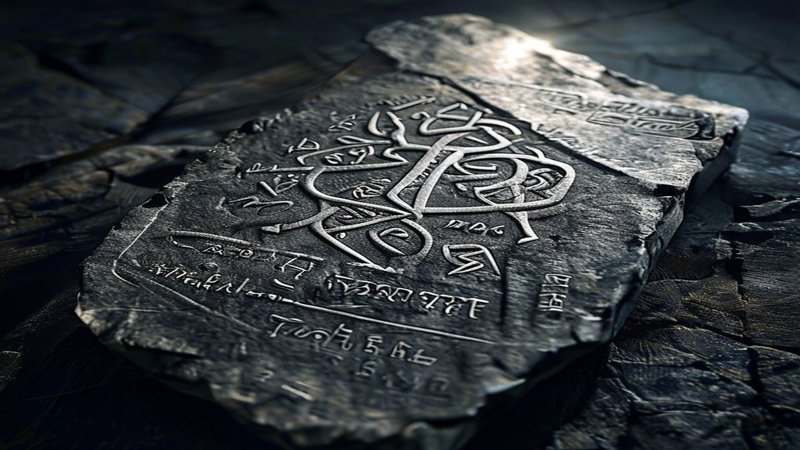
Furthermore, silence was a means of communicating with the gods and nature. In their dense forests and towering mountains, the Vikings believed that spirits spoke in whispers. To hear them, one had to be completely silent. This spiritual dimension imbued their silence with a sacred quality. When you confronted a Viking warrior, you were not merely facing a human; you were facing a being who believed he drew his strength from cosmic silence. This spiritual aura amplified the warrior’s prestige and made his enemies feel diminished in his presence.

Even in death rituals, silence was present. The funerals of the great were not boisterous with weeping and wailing, but rather majestic, silent ceremonies. The ship bearing the warrior’s body was pushed into the water and set ablaze in absolute silence. This silent farewell reinforced the idea that greatness does not require clamor to assert its existence. You watch the fire consume the ship and feel the awe of being. The Vikings taught that even in absence, presence can be overwhelming, solidifying their legacy as masters of psychological impact.
A Sacred & Lasting Legacy of Silence


Frequently Asked Questions

What was the ‘Viking secret’ regarding silence?
The Viking secret was that silence could be a more potent weapon than their swords. They understood that a terrifying void between words created psychological disequilibrium in their enemies, allowing them to gain control without uttering a sound.
How did Vikings use silence as a psychological weapon?
Vikings used silence in multiple ways: to gather intelligence by observing while others spoke, to shatter enemy morale on the battlefield by advancing silently, to exert mind control in political assemblies by rationing words, and by exploiting the human brain’s abhorrence of a vacuum to force assumptions of worst-case scenarios.
What role did Hávamál play in the Viking philosophy of silence?
Hávamál, a sacred poem attributed to Odin, served as a guide for life, including the philosophy of silence. It advised wise men to remain silent and listen at feasts, highlighting silence as a tool for gathering information and analyzing weaknesses, making it an espionage tool.
How did silence influence Viking leadership and political assemblies?
In Viking political assemblies (the Thing), excessive talk was viewed with suspicion. Leaders were expected to master conciseness, treating words like rare gold coins. When a chieftain spoke, their few, sharp words carried profound impact because they emerged from long silences, compelling others to value their speech.
Was Viking silence tied to their spiritual beliefs?
Yes, silence had a profound spiritual dimension for the Vikings. They believed that spirits and nature communicated in whispers within dense forests and mountains, requiring complete silence to hear them. This sacred connection imbued their silence with an aura of cosmic strength, amplifying their prestige in the eyes of their enemies.

Generated by AI Content Architect

About The Author

Leave a Reply

Your email address will not be published. Required fields are marked *