The Simpsons 2026 Prophecies: Are They Predicting the Great Financial Collapse?
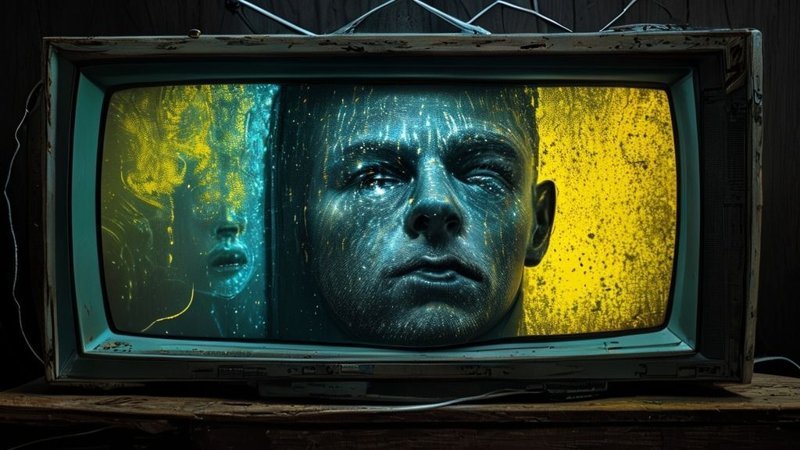
The Simpsons 2026 Prophecies: Are They Predicting the Great Financial Collapse?
The seemingly innocent world of Springfield harbors dark, prophetic secrets. As we examine uncanny predictions from Donald Trump’s presidency to tech innovations, the focus shifts to the looming shadow of 2026. Are we watching a satirical cartoon, or reading a leaked script for the near future, particularly concerning a massive economic system collapse?
Navigate Content
The Cartoon as a Cosmic Operations Room
For decades, ‘The Simpsons’ has eerily foreshadowed real-world events, from the Disney-Fox merger to specific political moments like the 2016 election. This unnerving pattern leads many to question if the show is merely tapping into historical patterns or if a deeper, predictive mechanism is at play. We inhabit a temporal gap where fiction consistently precedes reality, prompting the question: Is this satire, or a carefully disguised manifesto? The consistency rivals theories explored in articles concerning Why 2026? The Simpsons, Black Swan Theory, and a Global Reset.
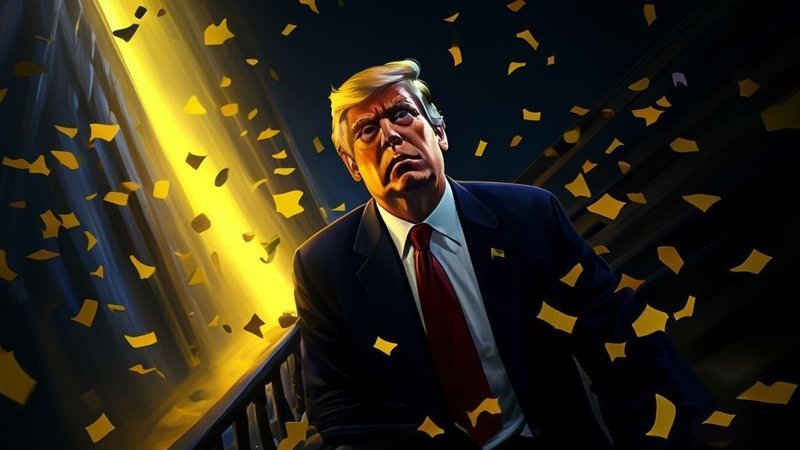
The Shadow of 2026: The Great Reset and Black Swans
Internet speculation has coalesced around the year 2026, fueled by what observers claim are embedded clues pointing toward a massive systemic shift, sometimes dubbed the ‘Great Reset.’ This isn’t predicted as a natural disaster, but a collapse of the systems we rely on—a ‘Black Swan’ event altering the course of history. The text suggests creators embedded specifics about a technological or financial upheaval in this particular year, highlighted by imagery like a forced ‘reboot’ of the globe.
Economic Autopsy: Cracks in the Financial Façade
The visual clues extend deeply into finance. One critical detail involves a chart behind Mr. Burns, allegedly displaying a precise mathematical curve pointing to the convergence of global debt and GDP—the supposed economic ‘event horizon’—dated 2026. Furthermore, scenes depicting:
- Worthless Paper Currency: Homer using large bills as cigar lighters or wall insulation.
- Hyperinflation Scenarios: Long queues exchanging paper money for trivial metal coins instead of necessities.
These are interpreted as visual translations of impending financial ruin, linking directly to real-world escalating debt bubbles.
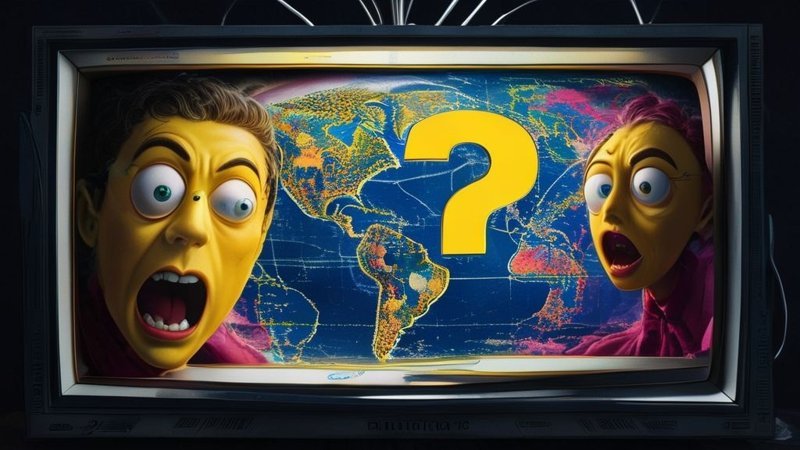
Dark Comedy as Social Engineering
Why couch existential threats in slapstick humor? The theory suggests this is intentional social engineering. By packaging devastating realities—like the worthlessness of fiat currency—as jokes, the creators acclimatize the audience to the shock. The series allows viewers to witness the truth while laughing, dulling the collective response until the moment the ‘laughter freezes on your face’ and the collapse becomes undeniable reality. This preparation echoes themes found in psychological deep dives like The Dark Psychology of Destructive Relationships, suggesting manipulation of perception.
Frequently Asked Questions
Generated by AI Content Architect
About The Author