The Post-Antibiotic Era: Superbugs, Betrayal, and the Looming End of Medicine

0
image_1-15


The Post-Antibiotic Era: Superbugs, Betrayal, and the Looming End of Medicine
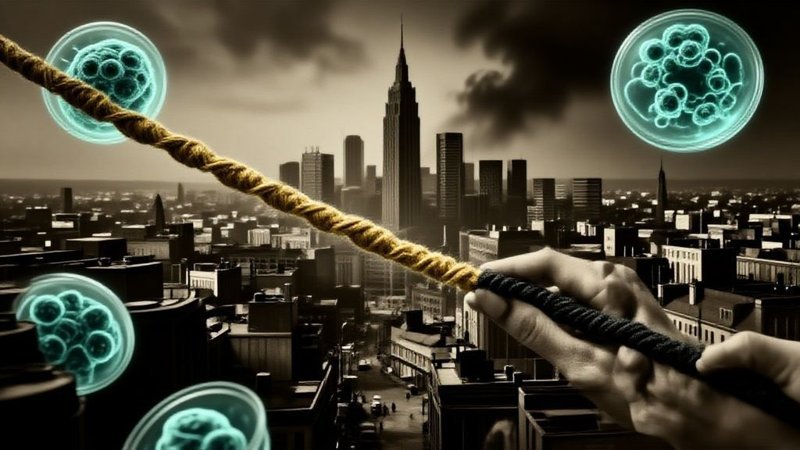
This is the beginning, the genesis of a narrative we never imagined we would recount its final chapters with such trepidation, where threads of victory intertwine with a looming defeat on the distant horizon. Imagine if the world you know, with all its clamor and technology, were to suddenly halt due to an enemy imperceptible to the naked eye – an adversary we once vanquished, but which now returns to exact a double retribution.


The Dawn of the “Magic Bullet” and a Century of False Security

Less than a century ago, the funeral procession was a daily routine in hospital corridors. A simple scratch from a tree branch, or a minor cut while shaving, was enough to transform into a nightmare culminating in an inevitable death. Scarlet fever, pneumonia, and even insect bites were tantamount to deferred death sentences. In those “medically dark ages,” physicians stood helpless, observing patients slowly wither away, possessing nothing but “hope” and “waiting” as their sole tools for treatment. The scent of death permeated even the simplest throat infections, and parents bid farewell to their children at the first cough, realizing that nature had chosen them to be mere statistics of mortality.

However, in 1929, the unforeseen occurred. In a dusty London laboratory, Alexander Fleming left a window open, allowing threads of fate to intertwine. A simple mold, an astonishing serendipity, and the birth of penicillin. That was the dawn that illuminated humanity’s long night. Suddenly, humans possessed the “magic bullet.” Infections that once killed in days became mere fleeting inconveniences treatable in hours. Humanity entered the “Golden Age” of antibiotics, where a false sense of absolute security prevailed, and we believed we had permanently subjugated microscopic nature, taming the beasts that silently devoured our bodies.

The Dawn of the


The “Biological Betrayal” and Medicine’s Precarious Future

We built our modern civilization upon this fragile foundation; major surgeries, organ transplants, and cancer treatments all fundamentally depend on these chemical defensive barriers. Yet, while we celebrated our triumphs, a “biological betrayal” was brewing stealthily in the shadows. We forgot, or perhaps chose to forget, that the organisms we confronted possess a terrifying capacity for adaptation, a capability honed over billions of years of struggle for survival.

Today, in the third decade of the 21st century, we find ourselves facing a chilling paradox: the greatest medical achievement in our contemporary history is slowly transforming into a deadly vulnerability. The very antibiotics that saved millions are now responsible for the emergence of “superbug” strains unfazed by the most potent drugs. We now stand on the precipice, where scientists in the dark corridors of research centers whisper terrifying words: “the post-antibiotic era.”

Can we truly revert to a time when a simple ear infection ended a child’s life? Were those decades of safety merely a “temporary truce” granted to us by nature before it reclaimed its dominance? The shadows beginning to creep towards operating rooms and hospitals portend ill, and existential questions have started to surface:

  • How did these minuscule organisms manage to decipher the code of our lethal weapons?
  • And what have we done, by our own hands, to turn our antidote into a poison that threatens to erase the gains of a full century of progress?

The answers do not lie solely in laboratories, but in understanding this mysterious journey from astonishing ascent to alarming decline, which will inevitably lead us to a deeper and more dangerous question… What truly happens inside our bodies when medicines cease to work, and who is genuinely responsible for awakening these forgotten epidemics from their slumber?


Decoding the Adversary’s Ingenuity: Mutation and Genetic Transfer

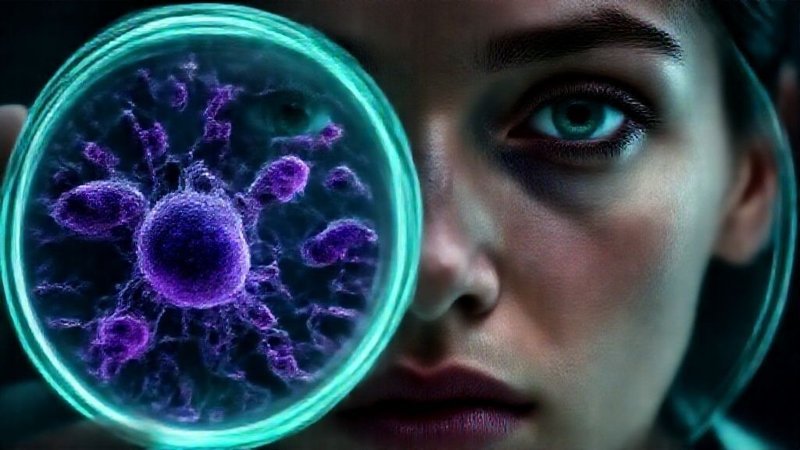
Under the microscope of truth, a sleepless world unfolds; a stage for silent assassinations occurring in your veins right now, where a silent existential war rages. The answer to the mystery of this medical collapse lies in the terrifying ingenuity of these microscopic organisms to rewrite their biological destiny. Imagine facing an enemy that not only survives your weapons but studies them, analyzes them, and then integrates their code into its DNA to become immune to them next time.

The story begins within the bacterial cell, an entity that may appear simple but harbors a collective intelligence evolved over billions of years. When you ingest that small antibiotic pill, you unleash an army of hired assassins programmed to target specific weaknesses in bacteria. But here lies the crux: bacteria do not submit to death peacefully. Through a process known as “random genetic mutations,” deliberate errors occur during cell division—errors that might seem destructive under normal circumstances, but in an environment saturated with chemical toxins, these mutations become the sole ticket to survival. One cell among hundreds of millions might acquire the ability to pump the antibiotic out of its body or encase itself in a shield impenetrable to the drug. With its astonishing replication speed, reaching one division every twenty minutes, that single survivor transforms into a formidable army within a few hours. This ability to adapt and evolve is a fascinating aspect of programming life’s future, though in this context, it’s a profound threat.

However, the true horror is not in mutations alone, but in the “profound betrayal” bacteria commit against human logic, what we call “horizontal gene transfer.” Imagine if you could, simply by shaking someone’s hand, acquire their skills in speaking a new language or piloting an aircraft; this is precisely what bacteria do. They exchange “diplomatic pouches” of resistance genes through precise channels, transmitting survival secrets to other strains that have never been exposed to the antibiotic. It is a global information network, a dark biological internet, where recipes for resilience against the smartest drugs devised by human ingenuity are circulated.
Decoding the Adversary's Ingenuity: Mutation and Genetic Transfer


Humanity’s Original Sin: The Catalyst for Crisis

Yet, these organisms would not have triumphed without the “original sin” committed by us. Ignorantly or arrogantly, we have become the greatest catalyst for this accelerated evolution. In colossal feedlots, thousands of tons of antibiotics are routinely administered to healthy livestock, not to treat illness, but to promote growth, creating vast breeding grounds for resistant bacteria. Similarly, the widespread overuse and misuse of antibiotics in human medicine—prescribing them for viral infections, not completing full courses, or demanding them unnecessarily—has inadvertently selected for the toughest, most resistant strains, pushing us closer to a world where our most potent medicines cease to work.


Frequently Asked Questions

What is the “post-antibiotic era” and why is it a concern?
The “post-antibiotic era” refers to a hypothetical future where antibiotics are no longer effective against common bacterial infections. This is a major concern because it would mean a return to a time when simple infections could become untreatable and life-threatening, making routine surgeries, cancer treatments, and organ transplants extremely risky.
How did the discovery of penicillin change medicine?
Alexander Fleming’s discovery of penicillin in 1929 ushered in the “Golden Age” of antibiotics. It transformed medicine by providing a “magic bullet” against bacterial infections that were once fatal, like pneumonia and scarlet fever, making them treatable within hours and drastically reducing mortality rates.
What are the primary mechanisms by which bacteria develop antibiotic resistance?
Bacteria develop antibiotic resistance through two main mechanisms:

  • Random Genetic Mutations: Errors occur during bacterial cell division, sometimes leading to a mutation that allows a cell to survive an antibiotic attack (e.g., by pumping the drug out or creating an impenetrable shield). These resistant survivors then multiply rapidly.
  • Horizontal Gene Transfer: Bacteria can directly exchange genetic material, including resistance genes, with other bacteria, even different species. This acts like a “dark biological internet,” rapidly spreading resistance traits across diverse bacterial populations.
What role has human behavior played in the rise of antibiotic-resistant superbugs?
Humanity has inadvertently become the greatest catalyst for accelerated bacterial evolution, referred to as the “original sin.” This includes the widespread overuse of antibiotics in livestock for growth promotion, and the misuse and overuse of antibiotics in human healthcare, such as prescribing them for viral infections, not completing full courses, or demanding unnecessary prescriptions. These practices create environments that select for and promote the proliferation of resistant bacterial strains.
What is meant by “biological betrayal” in the context of antibiotic resistance?
“Biological betrayal” refers to the stealthy and terrifying capacity of bacteria to adapt and evolve, turning humanity’s greatest medical triumph (antibiotics) into a deadly vulnerability. While humans believed they had subjugated microscopic nature, bacteria have demonstrated an innate ability to decipher and overcome our “chemical defensive barriers,” a betrayal of our assumed control over them.

Generated by AI Content Architect

About The Author

Leave a Reply

Your email address will not be published. Required fields are marked *