The Pink Death: Unraveling Medieval Europe’s Horrific Ergot Poisoning and Biological Weapon Theory
The Pink Death: Unraveling Medieval Europe’s Horrific Ergot Poisoning and Biological Weapon Theory
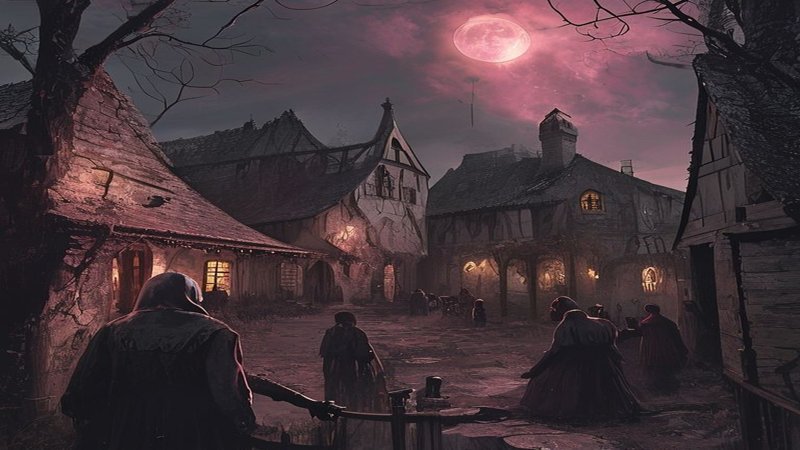
Imagine standing in the heart of a tranquil French village in 994 AD. Suddenly, without warning, screams pierce the stillness of the night. Your neighbors emerge into the streets, clutching their limbs, which burn with pain as if placed in a fiery furnace. You witness a man collapse, his hand, having turned a horrifying pink, now darkening to black, flailing. This is not the opening scene of a horror film; it is a historical reality that Europe endured for centuries. You are about to unravel the mystery of the Pink Death. This enigmatic epidemic was neither a virus nor bacteria in the traditional sense. Was it merely a natural occurrence, or was it an ancient biological weapon designed to annihilate entire populations?
Navigate Content
The Agony of Saint Anthony’s Fire
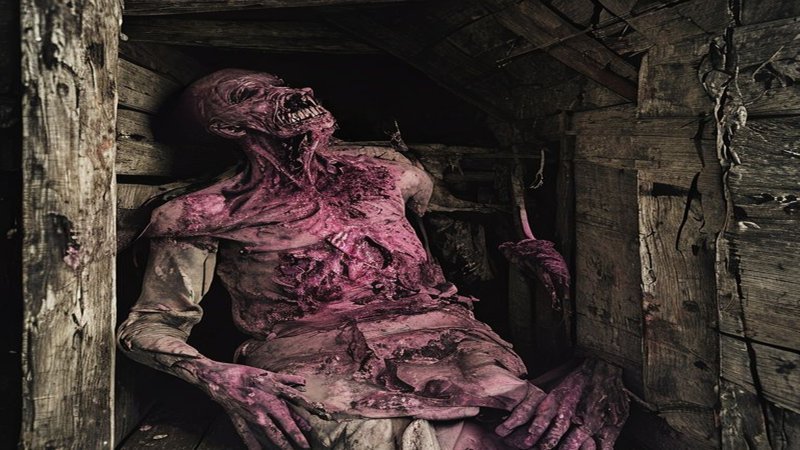
Place yourself in the shoes of a simple medieval peasant. Your sole sustenance is a piece of barley or rye bread. Unbeknownst to you, this morsel that sustains you contains a deadly poison. It begins with a slight tingling sensation in your fingers and toes. A strange coldness gives way to an unbearable, scorching heat. People of that era called this agony “Saint Anthony’s Fire.” But why fire? Because victims literally felt their bodies burning from within. Blood vessels constricted to the point of cutting off blood supply to the extremities. Imagine watching your hand wither, dry, and then detach from your body without a single drop of blood. This is the Pink Death in its most horrific manifestation. The pink discoloration appearing on the skin was the first sign of the end. A mark informing you that your body had begun to die, even as you remained alive.
The Mental Nightmare: Hallucinations and Mass Madness
Now, let us delve into details that defy comprehension. Physical pain was not the worst; the mental collapse was the true nightmare. The poison in question contains chemical derivatives identical to those later used in the manufacture of the famous drug LSD. Victims not only suffered from gangrene but also experienced terrifying mass hallucinations. Imagine an entire village seeing devils in the sky and hearing voices commanding them to dance to their deaths. In 1518, the infamous dancing plague occurred in Strasbourg. Hundreds of people danced in the streets for days without cessation until they collapsed from heart attacks and exhaustion. The scene was surreal and terrifying. Can you conceive of the horror one would feel watching a neighbor dance frantically while parts of their body, charred by the poison, fell away?
Ergot: A Natural Fungus or a Deliberate Weapon?
Historically, records indicate that the Pink Death claimed over forty thousand lives in France alone during short periods. But the pressing question is: why did this happen? Modern science identifies the culprit as a small fungus that grows on grain kernels, known as ergot. This fungus thrives in cold, damp seasons. When farmers ground grain contaminated with this fungus, the bread transformed into a chemical time bomb. Yet, here lies the suspicion. Was the spread of this fungus always natural? Some daring historical theories suggest that certain powers in the Middle Ages were aware of this fungus’s effects and used it deliberately. Consider this deeply. If one wished to control a rebellious village or an enemy army, there would be no better weapon than to poison their grain stores with this fungus. It would drive them to madness and physical incapacitation without firing a single arrow.
Recall the stories of the Salem witch trials in colonial America in 1692. Have you ever wondered why young girls accused their neighbors of witchcraft? Recent studies indicate that the rye crop that year was contaminated with ergot fungus. The hallucinations and convulsions suffered by the girls were classic symptoms of the Pink Death. This poison not only killed people but also altered the course of history, changing laws and religious and social systems. It was a silent weapon, decimating minds before bodies. You now realize that this fungus was not merely a disease but a tool for shaping the political and religious reality in Europe.
The Church’s Influence and the Weaponization of Fear
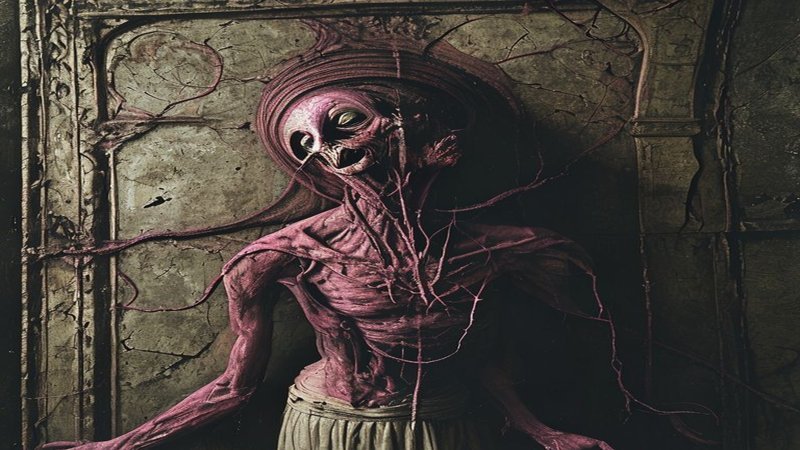
The Church at that time exploited this epidemic to increase its influence. It claimed that healing came only through prayer at the monasteries of Saint Anthony. Indeed, patients improved there, not due to miracles, but because the monks fed them pure, fungus-free bread. Reflect on the power these monks wielded. They controlled the secret of life and death through the type of bread they offered. This leads us to suspect that the Pink Death was an ancient biological weapon in the hands of the elite. It was an effective method to subjugate hungry masses and compel absolute obedience. Analyzing the links between poverty, famine, and the spread of this poison reveals a terrifying pattern. The more political unrest in a region, the more the Pink Death appeared, erasing the signs of rebellion. Was this merely an environmental coincidence, or a systematic strategy? The technical details of this poison are astonishing. It does not kill quickly; instead, it slowly tortures the victim, making them a cautionary tale for others. Small doses cause hallucinations; large doses result in the loss of limbs. It is a perfectly engineered design for a weapon intended to instill psychological terror in the hearts of the living.
A Silent Killer Through History
When examining the history of ancient warfare, you will find stories of poisoning wells and burning crops. However, the concept of contaminating a crop with a compound that alters brain chemistry represents an entirely different level of military cunning. In 994 AD, the Pink Death swept through Aquitaine, France. Historians of the time described the scene as a “minor apocalypse.” Bodies littered the streets, and survivors walked with vacant eyes, as if in a long, dark dream. The scent in the cities was that of decaying flesh mingled with fresh bread. What a terrifying paradox. The bread that symbolized life had become the means of death. And this poison has not entirely vanished from our world. Even in the 20th century, specifically in 1951, a small French village experienced a mys
Frequently Asked Questions
Generated by AI Content Architect
About The Author