The Enigmatic Disappearance of the Flannan Isles Lighthouse Keepers: A Deep Dive into an Unsolved Mystery
The sea is a vast and unforgiving mistress, keeper of secrets both terrible and sublime. Among the many mysteries she cradles in her deep embrace, few are as haunting as the disappearance of the three lighthouse keepers from the Flannan Isles in December 1900. This remote archipelago, lashed by relentless winds and shrouded in mist for much of the year, became the stage for a drama that continues to baffle historians, maritime experts, and amateur sleuths alike. What happened to James Ducat, Thomas Marshall, and Donald McArthur? Did they succumb to a rogue wave, fall victim to foul play, or encounter something far more sinister? The official explanation remains elusive, leaving room for speculation and conspiracy theories to flourish. This article delves into the known facts, explores the prevalent theories, and examines the lasting impact of this enduring maritime enigma.
The Isolation of Eilean Mòr: Setting the Scene
To understand the mystery, one must first grasp the isolation of Eilean Mòr, the largest of the Flannan Isles, also known as the Seven Hunters. Situated approximately 20 miles west of the Isle of Lewis in the Outer Hebrides of Scotland, these islands are notorious for their rugged terrain, unpredictable weather, and the sheer difficulty of access. The lighthouse itself, a stark white tower perched atop the cliffs, was a relatively new structure in 1900, having been completed just the year before. Its purpose was simple: to guide ships safely through the treacherous waters that had claimed countless vessels over the centuries. Life on Eilean Mòr was one of routine and monotony, broken only by the occasional supply ship and the relentless rhythm of the sea. The keepers, a tight-knit community of three, worked in shifts, maintaining the light, recording weather patterns, and battling the ever-present isolation. The remoteness of the location is central to the mystery; it both enabled and concealed whatever transpired.
The disappearance took place during the Christmas season, a time normally associated with festivity and family. The fact that the keepers vanished during such a poignant period only adds to the sense of unease and disbelief surrounding the event. It’s a grim reminder of the harsh realities faced by those who toiled in the remote corners of the world, far removed from the comforts of civilization.
Discovery and Initial Investigation: The Unsettling Details
The alarm was raised on December 26, 1900, when the steamer Arbess, en route to Leith, noticed that the Flannan Isles lighthouse was not operational during a period of inclement weather. The ship reported the anomaly to the Northern Lighthouse Board, who dispatched a relief vessel, the Hesperus, to investigate. Upon arrival at Eilean Mòr, the crew of the Hesperus made a series of unsettling discoveries. The lighthouse gate and the main door were unlocked. Two of the three oilskin coats normally kept inside were missing. The kitchen table was set for a meal, but the food remained untouched. Most disturbingly, the lighthouse lamp itself was operational, but no one was there to tend to it. A subsequent search of the island revealed no sign of the keepers. The only clues were a damaged western landing, suggesting a possible attempt to secure a boat in rough seas, and a general air of abandonment. The official investigation, while thorough for its time, provided no definitive answers. It concluded that the keepers had likely been swept away by a large wave while working to secure equipment during a storm. However, this explanation failed to account for several inconsistencies, fueling speculation and prompting alternative theories.
The absence of even a single body, the unfinished meal, and the missing oilskins continue to raise questions. If the keepers were indeed swept away by a wave, why were two coats missing, while one remained behind? Why was the lamp still functioning, and why was the gate unlocked? These details, seemingly minor in isolation, contribute to the enduring sense of mystery surrounding the event.
The Rogue Wave Theory: A Plausible Explanation?
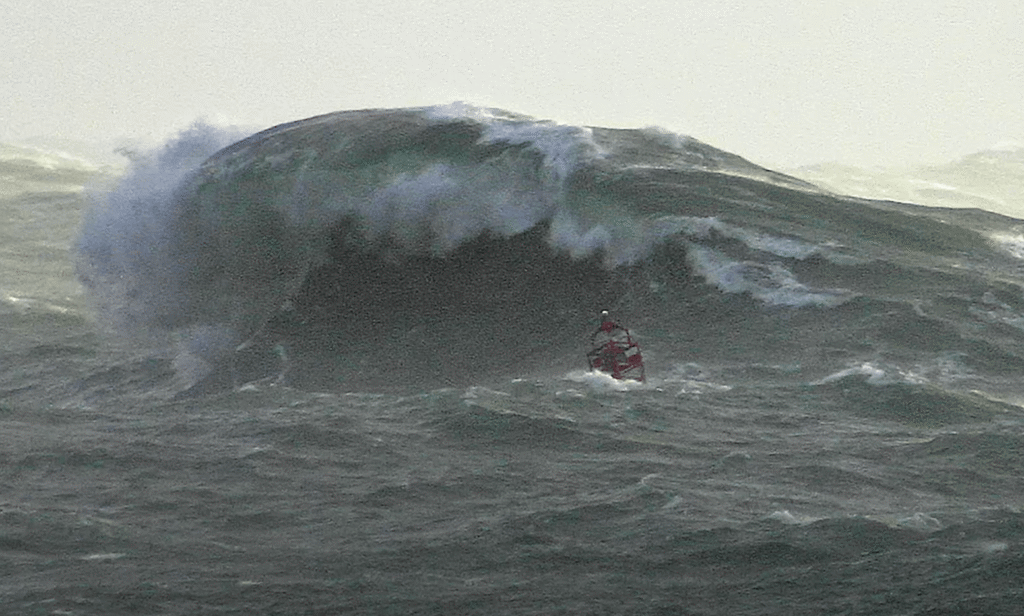
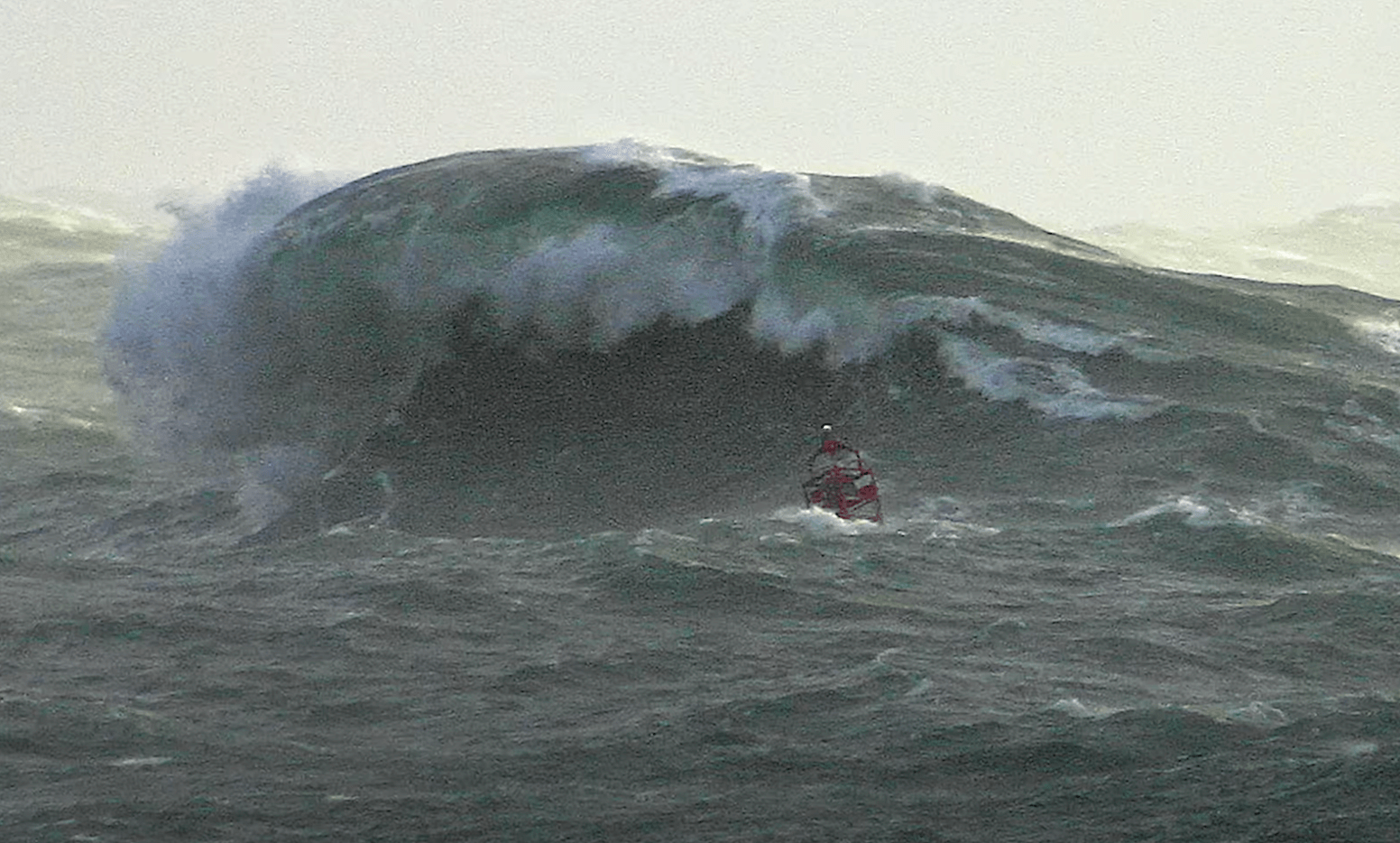
The most widely accepted explanation for the disappearance is that the keepers were swept away by a rogue wave. The Flannan Isles are exposed to the full force of the Atlantic Ocean, and sudden, massive waves are not uncommon. According to this theory, one or more of the keepers may have been working near the western landing when a large wave struck, dragging them into the sea. The other keeper(s) may have attempted to rescue them, only to meet the same fate. This scenario accounts for the damaged landing, the missing coats, and the general disarray found at the site.
However, critics of this theory point to several weaknesses. First, the weather conditions at the time were not exceptionally severe. While the sea was rough, there is no evidence of a major storm or unusually high waves. Second, the keepers were experienced seamen, well aware of the dangers of working near the shore in rough weather. It seems unlikely that all three would have been caught off guard by a single wave. Third, the rogue wave theory fails to address the other anomalies, such as the unlocked gate and the unfinished meal. While a rogue wave is certainly a possibility, it does not fully explain all the evidence.
Alternative Theories: Foul Play, Supernatural Forces, and Government Secrets
Given the inconsistencies in the official explanation, alternative theories have proliferated over the years. Some speculate that the keepers were victims of foul play, perhaps murdered by disgruntled seamen or rival lighthouse keepers. Others propose a supernatural explanation, suggesting that the island is haunted or that the keepers encountered some malevolent entity. More elaborate theories involve government conspiracies, secret experiments, or even alien abduction. While these theories lack concrete evidence, they reflect the enduring fascination with the Flannan Isles mystery and the desire to find a more compelling explanation for the inexplicable. The allure of conspiracy theories is amplified by the lack of verifiable data and information from the authorities at the time of the event.
Among the more intriguing alternative theories is the idea that the keepers staged their disappearance. Perhaps they were tired of the isolation and hardship of life on Eilean Mòr and decided to start new lives elsewhere. This theory, while unlikely, accounts for the unfinished meal and the unlocked gate, suggesting a planned departure rather than a sudden accident.
The Enduring Legacy: A Symbol of Unsolved Mystery
Regardless of the actual explanation, the disappearance of the Flannan Isles lighthouse keepers remains one of the most enduring maritime mysteries of the 20th century. It has inspired countless books, articles, poems, and songs, capturing the imagination of people around the world. The story serves as a reminder of the perils faced by those who worked in remote and isolated locations, and the enduring power of the sea. It also highlights the limitations of human knowledge and the enduring appeal of the unknown. The Flannan Isles lighthouse, now automated and unmanned, continues to stand as a silent sentinel, guarding its secrets and beckoning us to unravel the truth. The mystery of the Flannan Isles underscores the dangers and challenges faced by those who dedicated their lives to working in isolated and treacherous environments.
The event has become a touchstone for discussions on unexplained phenomena, the fallibility of official narratives, and the human need to find meaning in the face of uncertainty. The absence of a definitive answer allows for continued speculation and keeps the memory of the three lost keepers alive.
Frequently Asked Questions
What happened to the Flannan Isles lighthouse keepers?
The three lighthouse keepers disappeared from the Flannan Isles in December 1900 under mysterious circumstances. The most widely accepted theory is that they were swept away by a rogue wave, but alternative theories include foul play, supernatural events, and staged disappearance.
When did the Flannan Isles lighthouse keepers disappear?
The keepers were discovered missing on December 26, 1900, after a passing ship noticed the lighthouse was not operational.
Where are the Flannan Isles located?
The Flannan Isles are a small archipelago located approximately 20 miles west of the Isle of Lewis in the Outer Hebrides of Scotland.
What evidence was found at the lighthouse?
The lighthouse gate and main door were unlocked. Two of three sets of oilskins were missing. The kitchen table was set for a meal. There were signs of damage at the western landing.
Why is the disappearance considered a mystery?
The official explanation of a rogue wave does not fully account for all the evidence, such as the unlocked gate, the unfinished meal, and the missing oilskins. This has led to numerous alternative theories and enduring speculation.
About The Author