The Dancing Plague of Strasbourg: The Bizarre True Story of the 1518 Epidemic

The Dancing Plague of Strasbourg: The Bizarre True Story of the 1518 Epidemic
Navigate Content
The Uncontrollable Outbreak of 1518
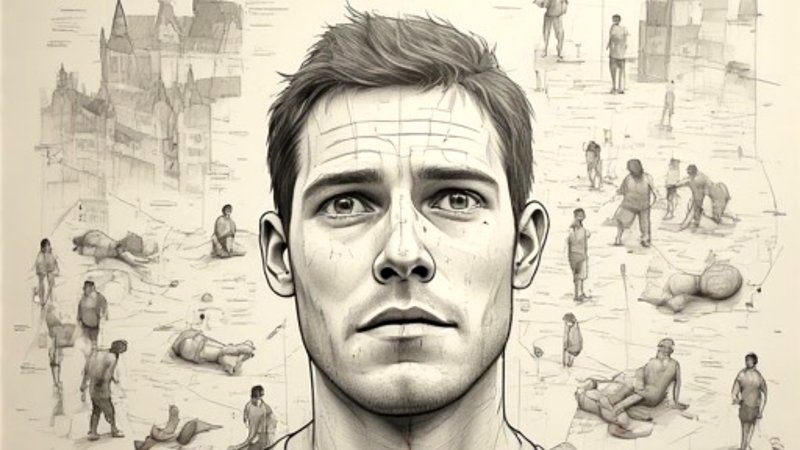
Within a few days, Strasbourg transformed from a tranquil city into an open-air theater of horror. It resembled a silent epidemic, yet one that screamed with madness. Children and elders, men and women, all succumbed to an unseen rhythm. Was there a specific sound they heard? Was there an invisible force propelling their bodies? Their eyes were vacant, their faces pale, yet their feet never ceased to tap.

Desperate Measures: When Authorities Encouraged the Madness
Local authorities were bewildered. Physicians were powerless. Clergymen offered prayers. What could be done to halt a malady not caused by bacteria or a virus, but by an irresistible urge to dance? Initially, they believed it might be a curse. Or perhaps divine wrath. But the collapsing bodies did not suggest any traditional demonic possession.
They decided on an unusual solution. Instead of trying to stop them, they encouraged them! They erected stages. Brought in musicians. Hired professional dancers. They reasoned that perhaps if the afflicted danced the madness out of their systems, it would cease. Could dance therapy be the cure for the dancing sickness itself? Was this idea the height of folly or a last glimmer of hope?
Catastrophe and the Dance of Death
Imagine yourself as one of these dancers. You see your friends collapsing around you. You witness your family members faltering. You know your fate might be death from exhaustion. Yet, you cannot stop. What was the feeling that gripped them in those moments? Was it the fear of death, or a deeper fear of ceasing?
The dead were buried en masse. Dozens daily. They died from heart attacks, from dehydration, from extreme exhaustion. Strasbourg transformed into a city of mourning, yet it danced. Was this spectacle the epitome of human madness? Or was it a collective cry of despair?
Decoding the Mystery: Ergotism vs. Mass Hysteria
Multiple theories emerged:
- One theory points to food poisoning. The cause might have been ergot fungus, which grows on rye and other grains, leading to hallucinations and nervous convulsions. Its symptoms closely resemble those of “Holy Fire” or “St. Anthony’s Fire.” Could a mere fungus have turned the city upside down? But can a fungus explain this uniformity in dancing, this collective contagion?
- Another, more compelling theory is what is known as “mass psychogenic illness” or “mass hysteria.” This phenomenon occurs when a group of people experience medically unexplained physical symptoms that spread through suggestion, intense fear, and social pressures. Do you see the resemblance? The immense psychological pressure Strasbourg faced during that period was overwhelming. Famine, diseases, poverty – all created an environment of extreme anxiety and fear.
Imagine a city living at the mercy of hunger and disease. Death reaped souls daily. No hope on the horizon. Suddenly, people see a woman dancing incessantly. In their exhausted minds, this might have been the only outlet. It could have been a way to vent all that rage, all that despair. Dancing unto death becomes an escape, albeit a fatal one.
The Mind’s Betrayal: A Deeper Psychological Truth
Imagine a city living under a strict religious doctrine. Any deviation from the norm was considered a sin or demonic possession. In this context, the fear of punishment, or the fear of the unknown, could manifest in bizarre behaviors. The human mind, when facing unbearable pressures, might find tragic ways to express itself. Was the dancing an expression of a final freedom in a world that offered none? This challenges our understanding of free will and mental autonomy, echoing modern concerns about how our minds can be influenced, as discussed in Your Mind Is Not Your Own: The Shocking Truth of Algorithmic Control.

Frequently Asked Questions
About The Author