Nietzsche’s Truth: Are You Good or Just Weak? Decoding Slave Morality
Nietzsche’s Truth: Are You Good or Just Weak? Decoding Slave Morality
We are conditioned to value meekness and submission as ultimate virtues. But what if this widespread morality is just a gilded cage for the weak? Friedrich Nietzsche rips apart these comfortable illusions, forcing a confrontation with a far more challenging question: Are you a genuinely good person, or merely an individual too fearful or incapable of being dangerous?
Navigate Content
The Virtue of Inability vs. The Will to Power
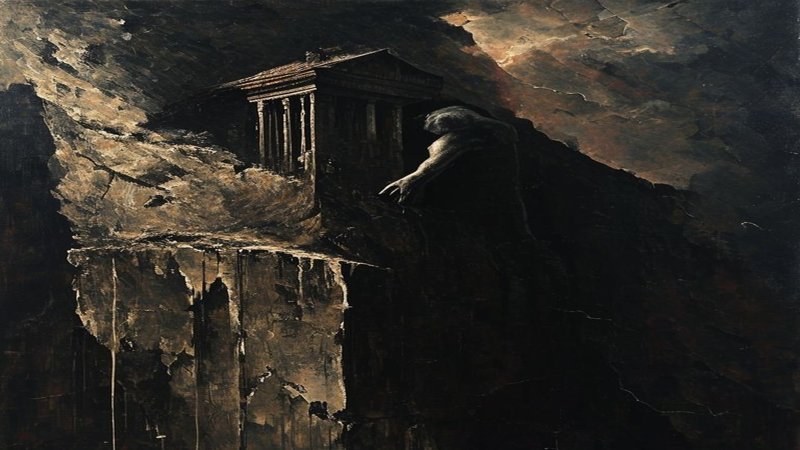
The core of Nietzsche’s critique lies in distinguishing true virtue from virtue derived from necessity. He uses the analogy of the powerful beast choosing peace versus the trembling rabbit that harms no one out of sheer inability. Society mistakenly praises the rabbit. True goodness, according to Nietzsche, belongs only to those who possess the capacity for malice or destruction but consciously choose restraint. If you cannot be dangerous, your peace is not a moral victory; it is simply necessity disguised as piety. This realization challenges the foundation of inherited moral beliefs.
Slave Morality and the Poison of Ressentiment
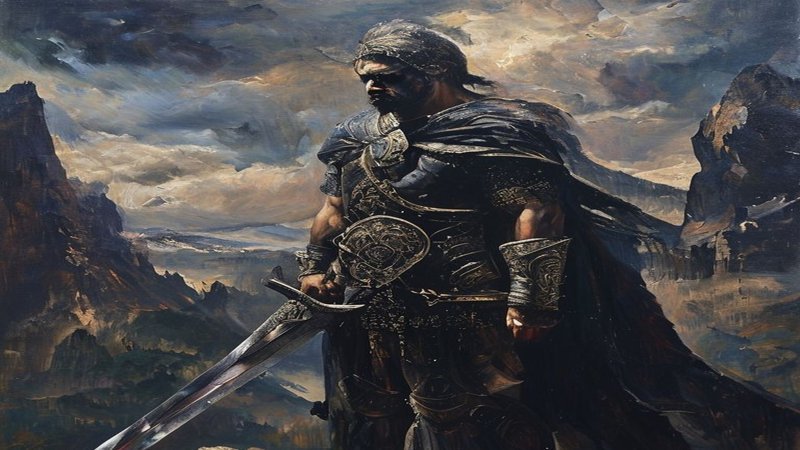
When the downtrodden could not defeat the powerful physically, they invented ‘slave morality’ to condemn strength as evil. This process breeds ressentiment—a deep-seated, impotent malice festering in the weak. We see this when we label ambition as arrogance or assertiveness as loathsome. Nietzsche warns that stifling your inherent drive for expansion (your ‘inner beast’) out of fear of societal judgment drains your vital energy, turning you into a ‘pale, sickly version of a human being.’ This suppression, often masked by tolerance or politeness, is the essence of this self-deception. You can explore related concepts of psychological control in our article on Dark Charisma Hijacks Your Brain.
Testing the Authenticity of Your Values
Nietzsche demands radical self-assessment. You must scrutinize the origin of your actions:
- Does your honesty stem from an inability to lie?
- Does your courage exist only when there is no danger?
- Does your adherence to the law come from respect for justice or fear of consequences?
An action devoid of the capacity to do the opposite—whether it’s saying ‘no’ or acting aggressively—renders that action meaningless. For your ‘yes’ to hold value, you must possess the power to forcefully say ‘no.’
The Path to the Übermensch: Creating Your Own Values
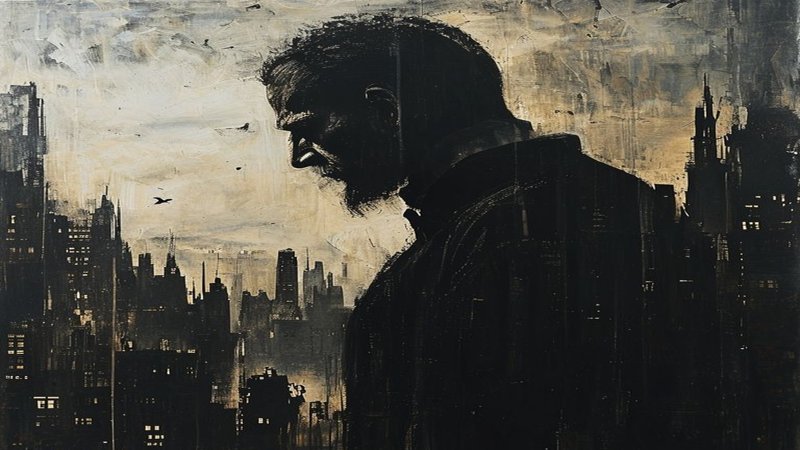
The solution is not chaotic rebellion but a rebellion of the self against self-imposed limitations. Nietzsche urges the realization of the Übermensch (Overman)—a being who harnesses their inner power, transforming potential destruction into creation. These masters of fate do not seek safety in the herd, which demands obedience and stifles individuality. Growth requires suffering; you must shatter old idols and confront solitude. True sovereignty comes when you recognize that true virtue is the power that chooses mercy; the sword remains sheathed because its owner has the wisdom (and the capacity) to draw it when necessary.
Frequently Asked Questions
Generated by AI Content Architect
About The Author