Minoan Collapse Secret: Drowning by Tsunami, Not Just Volcano Ash
Minoan Collapse Secret: Drowning by Tsunami, Not Just Volcano Ash
Navigate Content
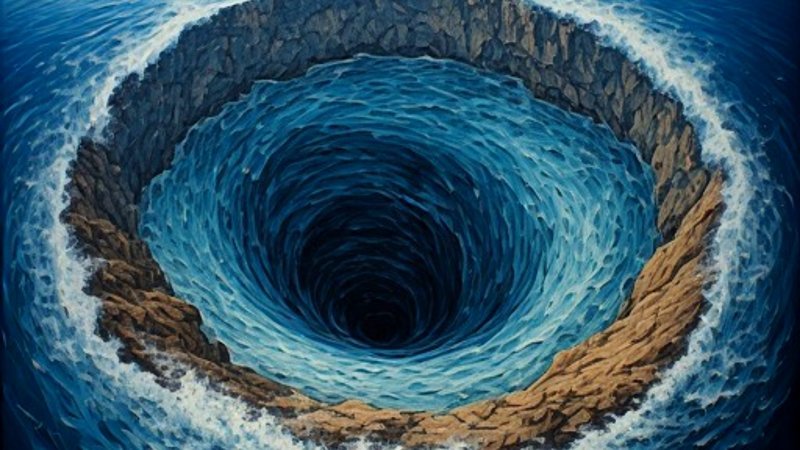
The Silent Hydraulic Weapon: Santorini’s Caldera Collapse
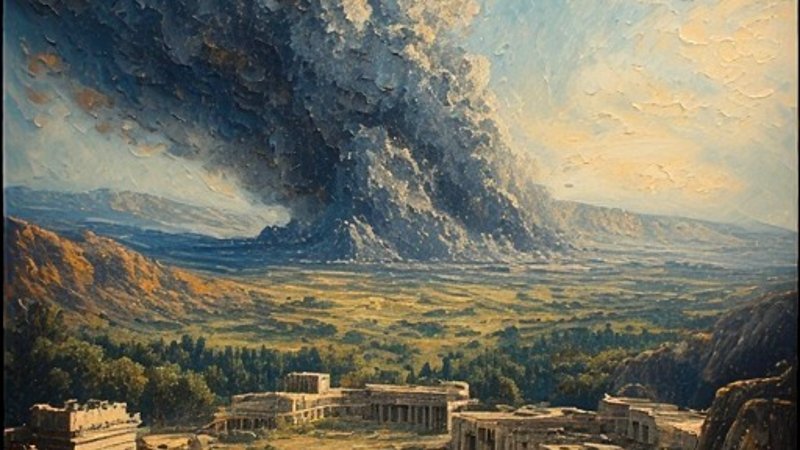
While the Minoans trusted the sea as their ultimate defense—so much so they built no city walls—the volcano 110 kilometers away triggered a mechanism far deadlier than fire or falling rock. When Mount Thera erupted, the magma chamber emptied, causing the caldera to collapse into the sea. This action created an instantaneous void, sucking in millions of tons of Mediterranean water. The resulting rebound was a tsunami reaching staggering heights of ninety meters, moving with jet-like speed.
The Fatal Withdrawal and the Crushing Wave
Imagine witnessing the sea abruptly recede hundreds of meters, exposing the ocean floor. Minoan sailors, likely rushing to observe this anomaly, were caught in a deadly trap. This withdrawal was merely the prelude to the true attack. The first wave struck with overwhelming force. It wasn’t just water; it was a slurry of debris, rock, and heavy ash. This mass did not merely damage their mighty fleet; it crushed it instantly. What happens to a nation when its economy and security vanish in a single afternoon? The impact devastated port infrastructure, severing crucial links to colonies and halting food imports.
The Dual Blow: Ash Fallout and Agricultural Ruin
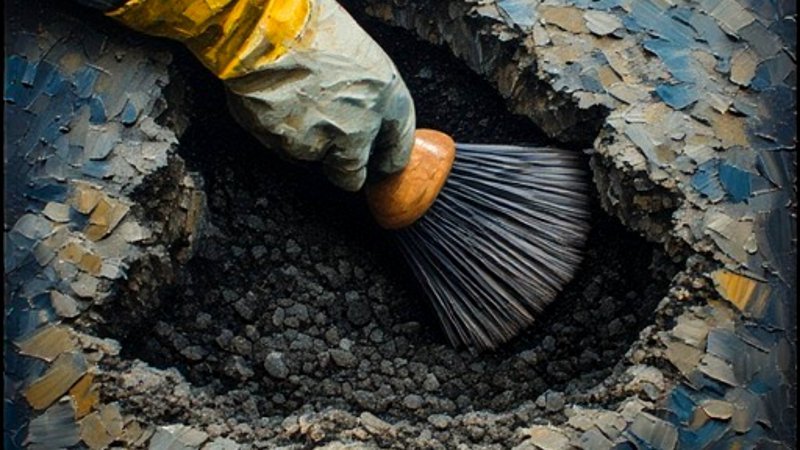
Following the immediate hydraulic destruction, the atmospheric toll became apparent. Ash fell for days, contaminating crops and poisoning wells. The sedimentary evidence shows volcanic tephra mixed directly with arable soil, rendering the land infertile for years. This created a scenario of absolute famine for a society dependent on specialized products like olive oil and wine. The material loss was compounded by the psychological shock. As detailed in articles concerning other sudden societal collapses, such as the Sumerian rise, food stability is paramount to political order.
The Collapse of Doctrine: When the Sea Turns Against You
My unique insight suggests the collapse was profoundly spiritual. The Minoans worshipped nature, viewing the sea as a protective deity. When that very deity unleashed an unstoppable, skyscraper-high wall of water, the spiritual contract between the people and the palace elite was instantly broken. The king, unable to command the waves or stop the ensuing darkness—as global temperatures dropped—lost all legitimacy. This spiritual vacuum, combined with material ruin, created the perfect environment for external takeover.
The Aftermath: A Shattered Society Awaiting Conquest
Survivors faced a darkened world; the sun was obscured by sulfur clouds for weeks, potentially causing climate disruptions as far away as China. The later fire evidence found at Knossos was man-made, occurring after the initial cataclysm. The Mycenaeans did not conquer a flourishing civilization; they walked into the remains of one already dead:
- Ports without ships to trade or defend.
- Cities without faith in their rulers.
- A population too demoralized and starved to resist.
The power of the Thera eruption was equivalent to four thousand atomic bombs, reshaping the Eastern Mediterranean coastline. The faint shadow of Minoan culture that remained was ultimately extinguished by external conquest.
Frequently Asked Questions
About The Author