Mariana Trench Secrets: Life and Engineering at Earth’s Deepest Point
Mariana Trench Secrets: Life and Engineering at Earth’s Deepest Point
Navigate Content
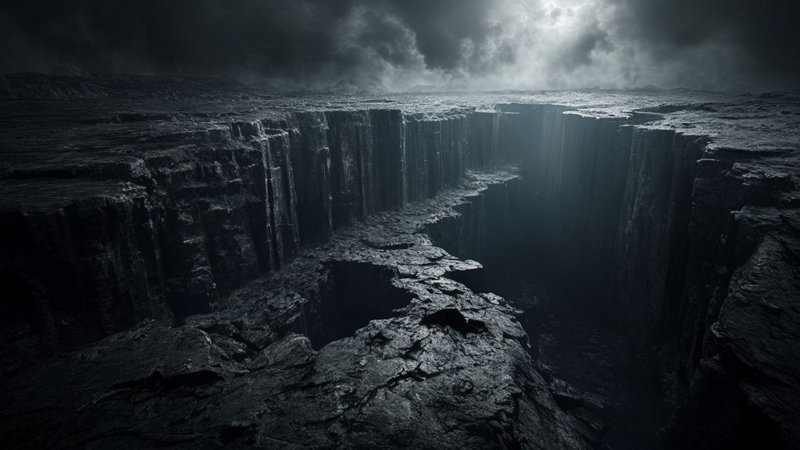
The Crushing Abyss: A Realm of Unimaginable Pressure
Imagine the pressure: exceeding a thousand times that at sea level. This force is often compared to the weight of fifty jumbo jets resting overhead. How can any known structure, let alone living matter, survive this environment? The extreme conditions define the Mariana Trench, forcing life and technology to adapt in extraordinary ways.
Biological Miracles: Life That Defies Physics
Despite the hostility, life thrives here. Creatures in the deep have evolved specialized survival strategies:
- Gelatinous Bodies: Many organisms possess bodies made of flexible, transparent material that allows water to pass through them, rendering them essentially immune to compression.
- Protective Proteins: Other life forms utilize unique proteins that stabilize their cellular structures against immense force.
- Bioluminescence: In the eternal darkness, many creatures use bioluminescence—emitting their own light—for communication, hunting, and navigation. These deep-sea inhabitants live full lives completely separate from the sunlit world above.
Engineering the Impossible: Reaching Eleven Kilometers Deep
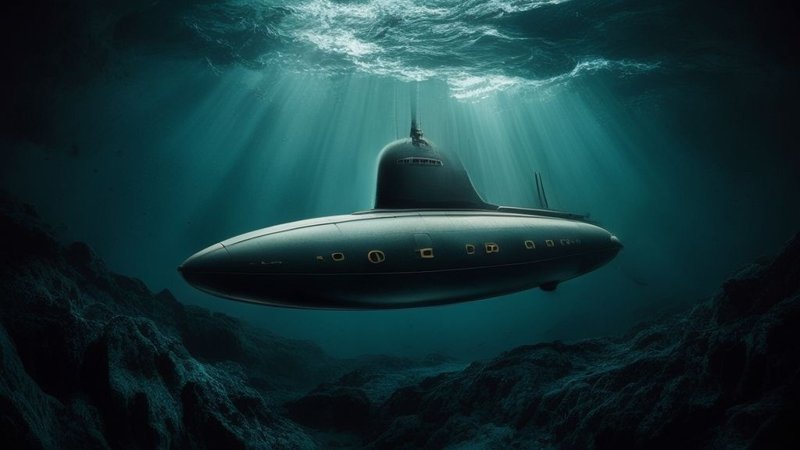
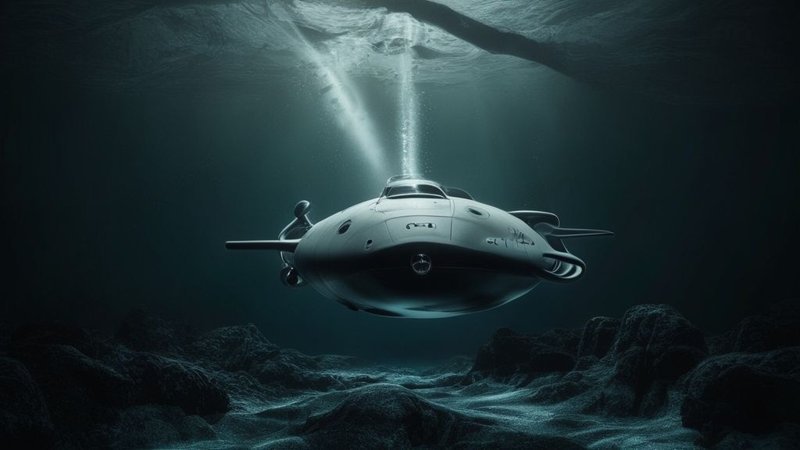
Human access to this depth requires engineering feats bordering on science fiction. Submersibles designed for this environment are capsules built for survival:
- They use incredibly thick walls of durable materials like titanium, sometimes exceeding ten centimeters in thickness.
- Viewing ports are tiny, specialized windows designed to resist catastrophic failure.
- The slow, eight-hour descent is a test of patience, where communication with the surface weakens, and reliance on flawless life support systems becomes absolute.
Discoveries at the Bottom and Historical Milestones
Upon reaching the bottom, explorers encounter terrains untouched by human feet—muddy plains and underwater mountain structures shaped by tectonic activity. These deep dives are vital scientific missions, not just adventures. Key milestones include:
- 1960: Jacques Piccard and Don Walsh made the first descent.
- 2012: James Cameron followed in the Deepsea Challenger.
The data collected helps us understand extreme ecosystems and the interconnectivity of our oceans. Yet, the vast majority of the trench remains profoundly unexplored, guarding its deepest secrets.
While we marvel at the resilience of life here, we also explore mysteries concerning other extreme environments, such as those rumored beneath the ice in Antarctica’s Hidden Secrets, or the potential for advanced life forms in Deep Sea Neon Cities.
Frequently Asked Questions
About The Author