Life Underwater: Human Evolution, Glass Cities, and the New Oceanic Economy
Life Underwater: Human Evolution, Glass Cities, and the New Oceanic Economy
What if the vast 70% of our planet covered by water became accessible not as a barrier, but as our home? The ability to breathe underwater would trigger the most profound shift in human existence since the agricultural revolution, redefining our bodies, our architecture, our economy, and our very way of communicating.
Navigate Content
The Biological Leap: Evolving to Thrive Beneath the Waves
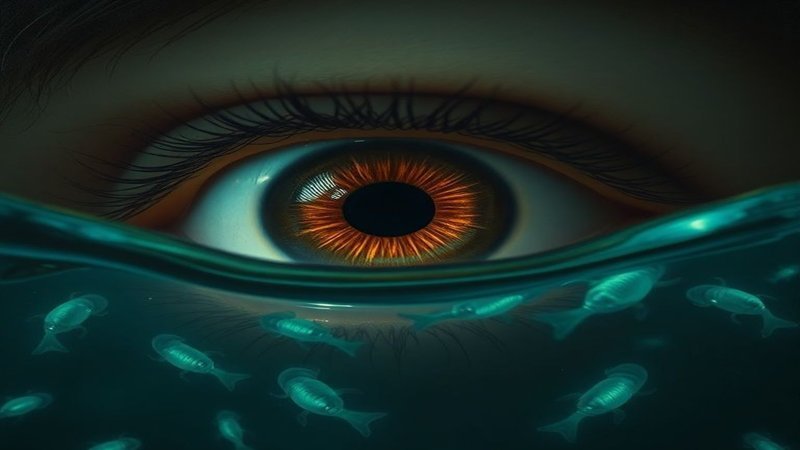
The first consequence of this biological miracle is the complete overhaul of the human body. Lungs would transform into highly efficient biological filters, extracting dissolved oxygen from water. This physiological change necessitates shifts in blood chemistry to manage pressure and dissolved gases, while skin thickens for insulation and protection against depth. Freedom from surface constraints would unlock millennia of unexplored ocean floor. This shift drives new medical challenges centered around deep-sea pressure balance, replacing respiratory ailments we know today. Consider how life changed for ancient mariners or empires like Aksum, but now imagine that scale applied to the entire ocean basin.
Architecture of the Deep: Glass Cities and Bioluminescent Light
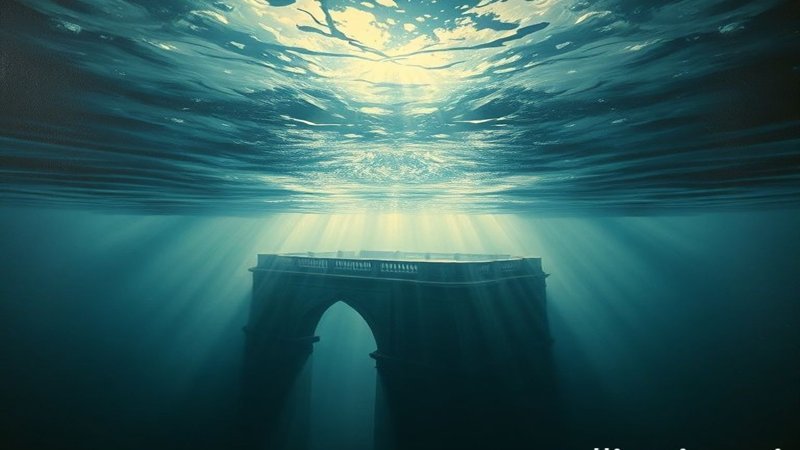
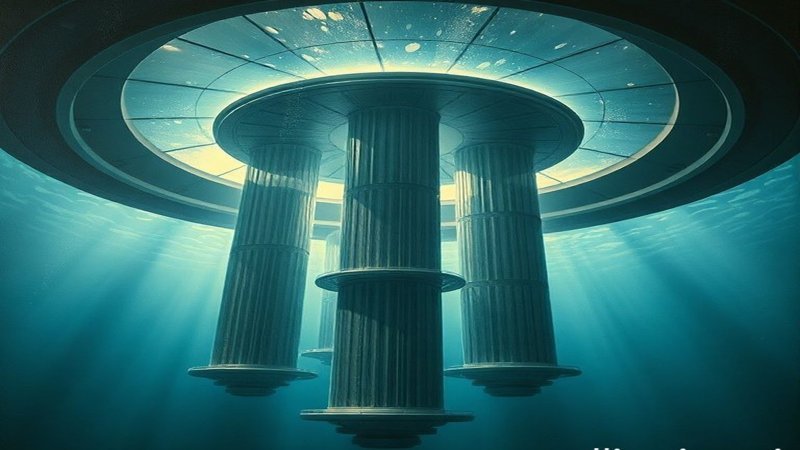
The second pillar is a complete architectural revolution. Cities would no longer be constrained by gravity or surface needs. We would construct magnificent structures using advanced materials like transparent aluminum, forming colossal geodesic domes and inverted skyscrapers suspended in the water column.
- Illumination: Cities would utilize the enchanting, tranquil blue light generated by cultivated bioluminescent marine life instead of conventional electricity.
- Transportation: Travel would be seamless, relying on sleek, silent capsules moving through dedicated high-speed transit currents.
- Structure: Schools and commercial centers would be built within artificial seamounts for protection against currents and large predators.
These metropolises would harness geothermal energy from dormant ocean floor volcanoes, ensuring limitless, clean power.
The New Global Economy: Resources and Trade Routes Below
The silent kingdom below holds untold wealth. With safe access to abyssal trenches, the extraction of rare minerals like cobalt, lithium, and gold would begin, fundamentally shifting global power dynamics toward nations with extensive maritime territories.
Economic Shifts:
- Agriculture: Farming moves from land to massive algae farms, providing sustainable, nutrient-dense food without consuming freshwater or destroying forests.
- Trade: Global shipping lanes relocate to deep-sea passages, bypassing surface storms and hurricanes.
- New Professions: Careers like hydrokinetic engineers and dark trench explorers would become commonplace.
This resource abundance promises the potential eradication of poverty, while tourism could regularly feature voyages to submerged historical sites, perhaps even revisiting legends like Atlantis.
Social and Psychological Transformation: Sound and Society
Living in a three-dimensional, low-gravity environment where sound travels differently will fundamentally alter human interaction. Spoken language would yield to complex communication based on underwater sonic waves, similar to cetaceans. Our auditory senses would sharpen dramatically. Social structures would adapt to this new connectivity and environment, potentially leading to new forms of community unburdened by terrestrial limitations. We might see the emergence of communal living that prioritizes fluid movement and sound-based collaboration over traditional, surface-bound structures.
Frequently Asked Questions
Generated by AI Content Architect
About The Author