Is Social Media Secretly Destroying Your Marriage? A Psychological Analysis
Is Social Media Secretly Destroying Your Marriage? A Psychological Analysis
We live in an era where personal lives are increasingly displayed on digital platforms, impacting even the most intimate aspects of our relationships. This analysis delves into the psychological mechanisms by which social media might be subtly destroying marriages, turning private struggles into public spectacles and distorting our perception of reality and contentment.
Navigate Content
The Inverted Projection Mirror: Comparing to Virtual Ideals
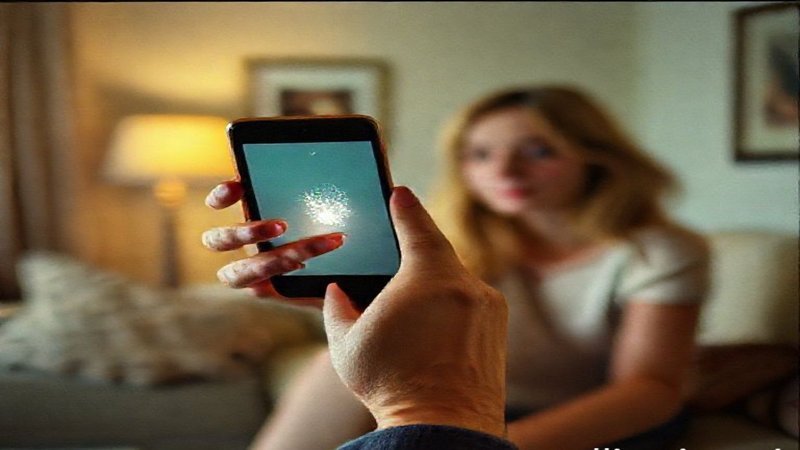
Social media has transformed psychological projection. Instead of projecting our own flaws onto our partners, we now project them onto the idealized images of partners presented online by others. This leads to a distorted reality where marriage is constantly ‘tried in the court of virtual presentation.’ As illustrated by Khalid’s story, partners may feel inadequate when compared to the curated ‘highlight reels’ of others, leading to feelings of failure not for lack of love, but for failing to create a ‘shareable’ version of their lives. The mind, seeking perfection, can reject the stability of real marriage for the adrenaline of illusion.
The Curse of the Lost Golden Age: Reinventing the Past Online
Human psychology is prone to the ‘golden age’ fallacy – the belief that the past was better. Social media exacerbates this by daily reinventing an idealized past. Layla’s experience highlights how the pressure to make every memory ‘content’ leads to editing life for the future rather than living it. When anniversaries or everyday moments are compared to more ‘dazzling, falsely intimate’ online portrayals, couples blame each other for the perceived lack of quality in their shared ‘raw material.’ This shift from intrinsic appreciation to external ‘likes’ turns marriage into reputation management, signaling a weak internal trust.
Erosion of Intimacy Through Forced Transparency
Social media compels a surrender of sacred private spaces. Instead of building trust on secrets, fame is built on shares. A 2021 Pew Research Center study found that 42% of couples who publicly share details of disagreements reported increased marital dissatisfaction. Exposing vulnerabilities to the public is a desperate attempt to find external solutions for internal problems. When marital issues are placed under the digital spotlight, it often becomes a demand for judgment rather than a quest for genuine support, replacing the hard work of repairing the relationship with the superficial comfort of virtual validation. Couples become prisoners of their shared narrative, accused of falling short if they deviate from the story sold to the audience.

Hidden Mechanisms: Social Comparison as a Weapon
We are not passive victims but active participants in our own discontent. Social comparison, an ancient survival mechanism, has been engineered into a psychological weapon by digital platforms. Unlike the tangible, geographically limited comparisons of the past, today we compare our complex, real lives against the filtered, edited ‘highlight reels’ of countless individuals. This constant self-interrogation, fueled by non-existent idealized images, is a far cry from genuine comparison. It’s a continuous psychological assault that undermines self-worth and, consequently, the foundation of marital stability.
Frequently Asked Questions
Generated by AI Content Architect
About The Author