Is Megalodon Alive? Secrets of the Mariana Trench and Deep Sea Giants

Is Megalodon Alive? Secrets of the Mariana Trench and Deep Sea Giants
Navigate Content
The Biological Barrier: Life Under Crushing Pressure
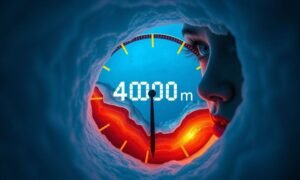
The pressure at the bottom of the Mariana Trench is immense, far surpassing what most terrestrial life can withstand. While we often focus on external force, the true biological hurdle is internal cell rupture. Organisms thriving in the Hadal zone must employ specialized chemical stabilizers called piezolytes to keep their proteins from collapsing. The critical question follows: If small fish can evolve these mechanisms, what prevents an ancient, highly adaptable apex predator from doing the same?
Abyssal Gigantism: The Deep Sea’s Scale Factor
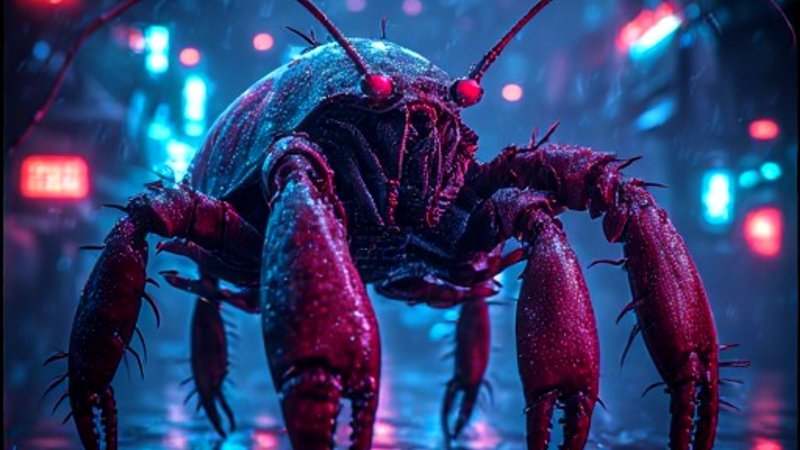
One of the most compelling arguments for undiscovered megafauna is the phenomenon of abyssal gigantism. As depth increases, metabolic rates slow, leading to vastly extended lifespans and tremendous size gains. Surface-level crustaceans become meter-long monsters, and known squid species swell to terrifying proportions. Applying this principle to a creature already the size of a bus suggests that any surviving Megalodon would be larger and more formidable than its fossil record suggests. We can also see evidence of large predators in strange whale wounds that defy known shark attacks, perhaps hinting at something much larger lurking below.
The Hubris of Surface Science and Exploration Gaps
The text argues that modern science suffers from ‘fatal arrogance,’ possessing superior maps of Mars than of our own ocean floor. Our entire understanding of the Megalodon is based on fossilized teeth, a fragment used to model a complete organism. This is highly speculative. Furthermore, the article suggests that challenging the extinction timeline for such a creature is discouraged in academic circles as it would destabilize established evolutionary models. We are choosing comfort over comprehensive investigation.

Sustenance and the Mysterious ‘Bloop’
Frequently Asked Questions
About The Author