First Labor Strike: Deir el-Medina Workers Defy Pharaoh Ramesses III in 1159 BCE
First Labor Strike: Deir el-Medina Workers Defy Pharaoh Ramesses III in 1159 BCE
Navigate Content
The Elite Artisans of Deir el-Medina
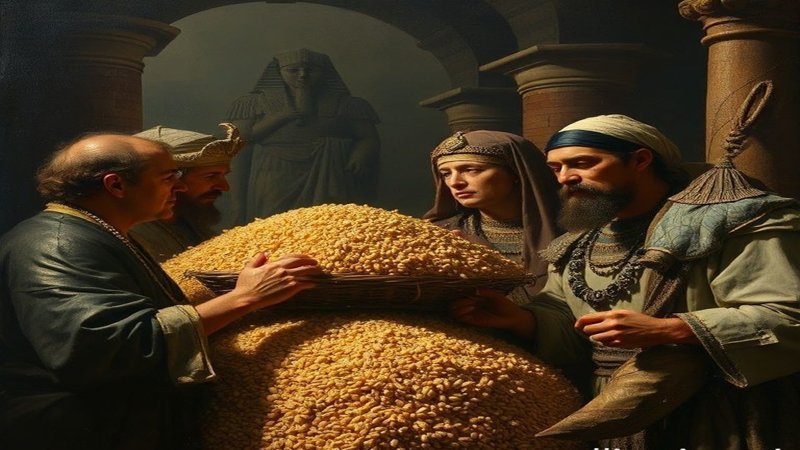
The workers constructing the royal tombs were not slaves; they were highly valued state employees living in the specialized village of Deir el-Medina, near Thebes. They enjoyed relative stability, receiving rations of grain, oil, and supplies directly from the state treasury. However, by the 29th year of Ramesses III’s reign, this stability fractured due to:
- Exhausting wars against the Sea Peoples depleting state resources.
- Environmental stress resulting in low Nile inundations and soaring prices.
- Pervasive corruption where local officials embezzled the workers’ rations.

The Day Patience Ran Out: ‘We Are Hungry’
After enduring eighteen days past their due date for rations, the workers reached a breaking point. On the tenth day of the second month of winter, they took an unprecedented collective action: they laid down their tools. This was not an act of looting, but a carefully orchestrated demand for what they were owed. They marched to the mortuary temples, staging the first recorded peaceful demonstration in history. Their unified cry, recorded by the scribe Amennakht, was clear: “We are hungry.”
This strike offers an early look at organized resistance, similar in spirit, though vastly different in context, to modern movements discussed in articles like The 70/30 Rule: Liberate Your Life for What You Truly Deserve, where asserting one’s rightful portion is key.
Confronting Authority at the Temples
The workers established an open-ended sit-in behind the colossal walls of the mortuary temple of Thutmose III. When officials tried to placate them with empty words, the workers escalated their demands, clearly stating their comprehensive needs:
- “We have no clothing, no paint, no fish, and no vegetables.”
- They demanded that messengers be sent directly to the Pharaoh and the Vizier for provisions.
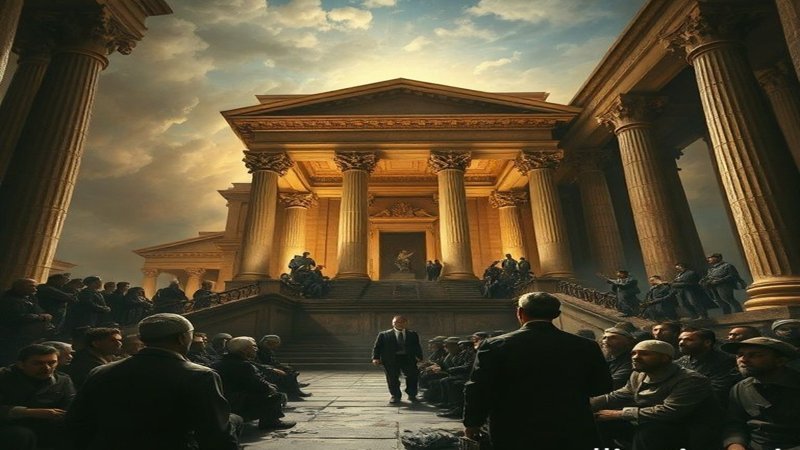
The next day, they moved to the Ramesseum, barricading the doors. This collective action demonstrated a sophisticated understanding of their social contract, realizing that their strength lay in unity, making their collective voice louder than any stone wall.
The Legacy: Recognizing Labor as a Right
Remarkably, the strike succeeded. The state was ultimately compelled to pay the full back wages owed and hold some corrupt officials accountable. The lasting impact goes beyond mere food distribution. These workers articulated a profound social awareness:
- Labor is a Right: They established that work deserves compensation.
- Accountability of the State: They treated the state not as an absolute god, but as a contractual employer responsible for their livelihood.
When you assert your right to a fair wage today, you echo the successful defiance of those artisans who stood up against injustice over 3,000 years ago, proving that dignity transcends empires.
Frequently Asked Questions
About The Author