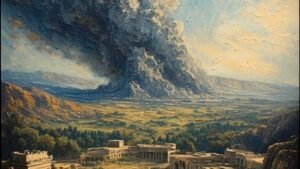
Ebla’s Secret: The Ancient Data Empire That Ruled 4,500 Years Ago

0
image_1-11


Ebla’s Secret: The Ancient Data Empire That Ruled 4,500 Years Ago
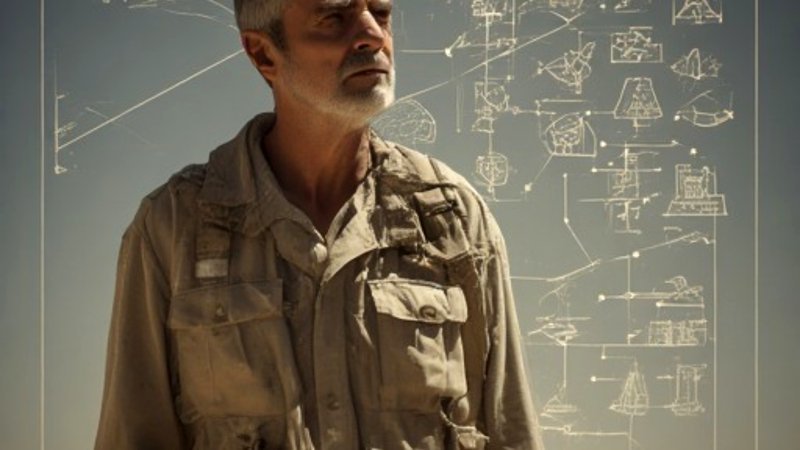
You believe that great empires were built solely by the sword. The truth will confound you. In 1975, Italian archaeologist Paolo Matthiae stood atop a dusty mound in northern Syria called Tell Mardikh. He was not searching for gold, but he found something far more precious and perilous. He discovered a cache of seventeen thousand cuneiform clay tablets. These tablets did not recount tales of mythical heroes; rather, they contained numbers – terrifyingly complex figures that unveiled a system which initially dominated the ancient world without ever launching a single arrow. This raises a question that will change your perception of history: How did a city in the heart of the Syrian desert manage to control the entire economy of the Near East through “spreadsheets and data” four thousand five hundred years ago? The answer lies in a mysterious secret hidden within tablet number 8,200, a secret we will reveal at the end of our discussion.


Ebla: The Mastermind Behind the Data Empire
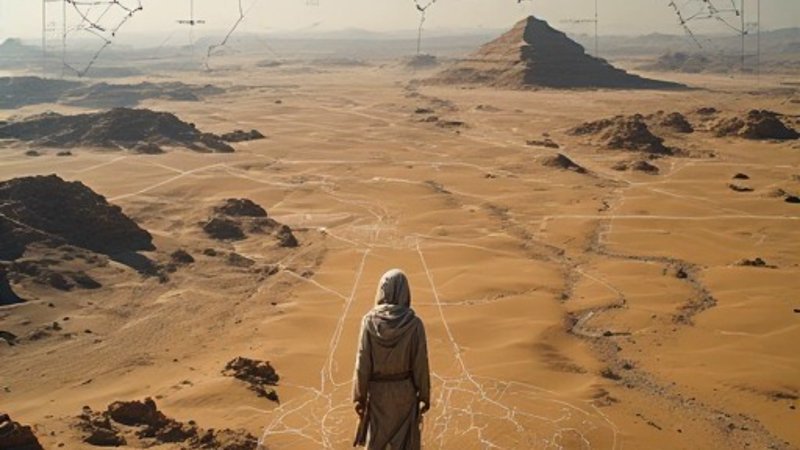
Listen carefully. Ebla was not merely a city; it was a “mastermind.” Imagine a society that meticulously recorded every gram of silver and every loaf of bread distributed to its laborers. The cuneiform tablets unveiled a governmental administration millennia ahead of its era. Officials in Ebla monitored agricultural production with astonishing precision. Nothing was left to chance. They maintained records of land areas, soil types, and projected crop yields. You are now wondering: Why this obsession with detail? The answer is simple: information was the weapon. He who possessed the data controlled the bread, and he who controlled the bread commanded loyalty. This sophisticated system allowed Ebla to truly dominate the ancient world.

Ebla: The Mastermind Behind the Data Empire


Regional Logistics and Economic Monopolization

We are not discussing simple bartering; we are talking about “regional logistics.” Ebla orchestrated a supply network spanning from the Taurus Mountains to the Arabian Gulf, controlling trade routes like a spider at the center of a vast web. Documents indicate the presence of specialized “ministers”:

  • Minister of Agriculture
  • Minister of Trade
  • Minister for Palace Affairs

Each submitted regular reports, written in cuneiform script. Do you comprehend the scale of this complexity? We are witnessing a state managed with the mindset of twenty-first-century corporations. Yet, a mystery surrounds its textile exports. Why were Eblaite textiles the most expensive and sought-after in the ancient world? And what did Ebla do to prevent any other city from competing?

Consider the details. The tablets inform us that Ebla owned hundreds of thousands of sheep, not merely for meat, but for their wool. Ebla established enormous textile factories, employing thousands of men and women. They produced fabrics embroidered with gold and silver. These textiles were not just garments; they were “diplomatic currency.” When Ebla sought to secure the allegiance of a king in Mesopotamia, it sent him a luxurious Eblaite robe. Everyone wanted to wear the “Ebla” brand. This is economic monopolization at its finest. They created a global demand for a product that only they possessed, then raised prices as they pleased.


Power Beyond the Sword: Trade and Early Globalization
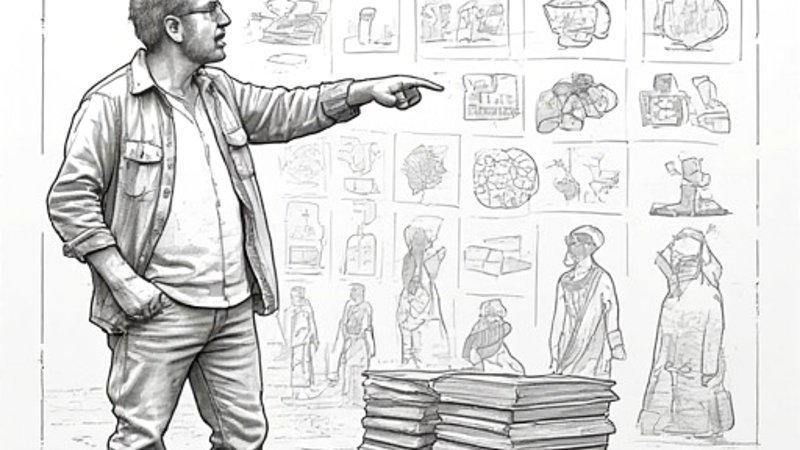
You are now confronted with a stunning truth. The military might of Akkad and Mari feared Ebla, not because of its number of soldiers, but because Ebla could cut off their food supplies and textiles with a single administrative decision. It balanced the influence of neighboring powers through stringent “trade agreements.” The tablets describe trade treaties considered the first of their kind in history – treaties that defined taxes, protected merchants, and established laws for transit through territories. Do you think globalization is a modern invention? You are entirely mistaken. Ebla was practicing globalization while others were still learning how to build walls.

Power Beyond the Sword: Trade and Early Globalization


The First Surveillance State and Its Downfall

Here, I will pose a central question: Can economy alone protect a state from destruction? Ponder this as we delve into the depths of financial records. Ebla’s records were so precise that they documented the quantity of oil consumed by the palace lamps. This level of oversight suggests something else, something historians typically do not discuss, and it leads me to my own analytical and potentially controversial perspective.

In my personal opinion, and if we look deeper than the headlines, Ebla was not an “economic paradise” as some portray it. Most people overlook this, but I see Ebla as the first “surveillance state” in history. This sophisticated logistical system was not for the sake of prosperity, but rather a tool for absolute control. When every grain of wheat is recorded, it means the government knows precisely when you will be hungry and how to make you submit. I posit that this economic monopolization constituted a form of “soft terror.” Ebla did not require numerous executioners, for they possessed “accountants.” The accountant wielded more power than the general. And this philosophy ultimately led to its downfall, because the economically suffocated neighbors found no solution but complete obliteration.

Observe the irony. Ebla, which knew everything about its storages, could not predict the moment of military explosion that would come from Naram-Sin, King of Akkad. Or perhaps it did predict it and tried to buy him off with money. But some things cannot be bought. The cuneiform tablets reveal desperate attempts in the final years: an increase in lavish gifts to foreign kings, bribes disguised as “trade exchanges.” Can you feel the tension experienced by the scribes of the tablets? They were recording numbers while enemy armies approached the walls. Ebla also managed the “Karum” system, which were expatriate trade centers. Ebla had merchants residing in distant cities who enjoyed diplomatic immunity and clear instructions: find raw materials – copper from Cyprus, tin from Afgh.


Frequently Asked Questions

What was Ebla’s primary ‘secret’ for its power and control in the ancient world?
Ebla’s secret lay in its advanced data and information management. It meticulously recorded everything from agricultural production to trade, transforming information into a weapon that allowed it to control resources and, consequently, loyalty across the Near East.
How did Ebla achieve economic monopolization in the ancient world?
Ebla achieved economic monopolization through its vast textile industry. Owning hundreds of thousands of sheep, it produced high-quality, gold- and silver-embroidered fabrics that became a coveted ‘Ebla brand’ and ‘diplomatic currency,’ creating global demand and allowing them to control prices.
How did Ebla’s power compare to military might in its era?
Ebla’s economic power was so significant that even military giants like Akkad and Mari feared it. Ebla could wield influence not through soldiers, but by threatening to cut off essential food supplies and textiles through administrative decisions and stringent trade agreements, making economy a potent alternative to military force.
Why is Ebla considered by some to be the first ‘surveillance state’?
The text suggests Ebla was the first ‘surveillance state’ because its sophisticated logistical and record-keeping system, which documented every detail like grain of wheat, was not just for prosperity but for absolute control. Knowing precisely when people would be hungry allowed the government to exert submission, a form of ‘soft terror’ where accountants held more power than generals.
What ultimately led to Ebla’s downfall?
Ebla’s downfall was ultimately caused by military explosion from Naram-Sin, King of Akkad. The economically suffocated neighbors, tired of Ebla’s ‘soft terror’ and monopolization, found no solution but complete obliteration. Despite Ebla’s precise financial records, it could not avert military confrontation.

Generated by AI Content Architect

About The Author

Leave a Reply

Your email address will not be published. Required fields are marked *