Cholula’s Hidden Pyramid: Larger Than Giza and Concealed by Nature

Cholula’s Hidden Pyramid: Larger Than Giza and Concealed by Nature
Navigate Content
The Unfathomable Scale of Tlachihualtepetl
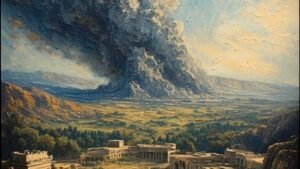
The sheer size of the Great Pyramid of Cholula defies modern comprehension. Its base measures a staggering 450 by 450 meters—four times the footprint of Khufu’s pyramid. To visualize this foundation, envision nine combined football fields. With an estimated volume of 4.45 million cubic meters, it stands as the largest ancient structure on the planet. The central mystery remains: how was this monolith erected without modern machinery, and why does it now appear as natural terrain?

A Thousand Years of Nested Construction
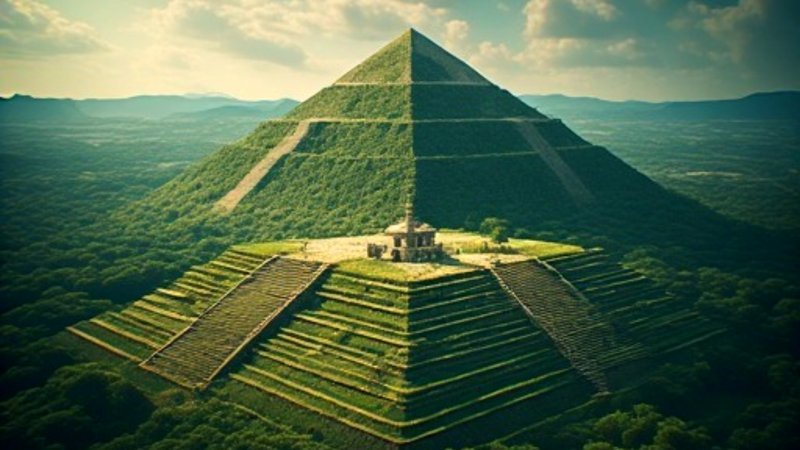
Unlike the rapid construction of other ancient wonders, the engineers of Cholula embraced the long view. They built not once, but over a millennium. This resulted in a series of nested pyramids, constructed layer upon layer. This intelligent, incremental evolution served two critical purposes: every new layer reinforced the structure beneath it, stabilizing the overall form against the relentless erosion of time and weather.
Adobe Genius: Built to Breathe and Survive Earthquakes
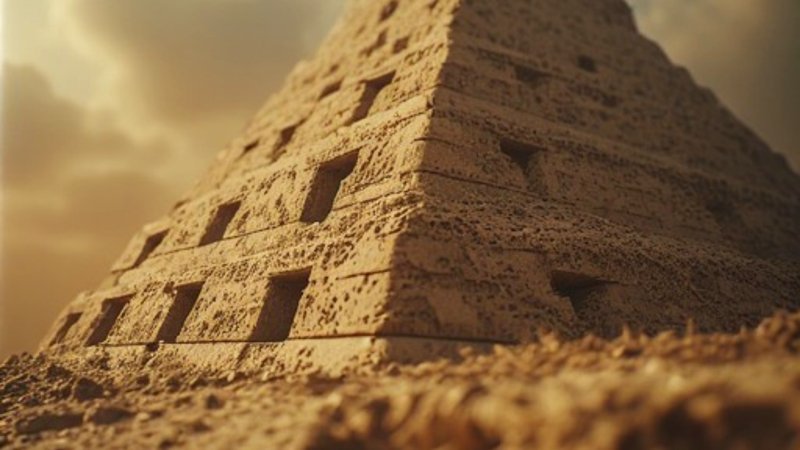
The choice of building material—adobe brick (mud and straw)—seems counterintuitive, yet it proved to be revolutionary genius. Adobe provided flexibility, allowing the pyramid to absorb seismic shocks where rigid stone would fracture. This flexibility meant the structure essentially ‘breathed’ with nature. Over centuries, seeds within the material sprouted, causing vegetation to reclaim the structure, providing natural camouflage that concealed it from Spanish invaders who mistook it for a hill.
The Social Engine: Sustaining a Millennium of Work
Building something of this magnitude requires more than just raw materials; it demands immense social organization. The construction of Cholula required a logistical network capable of supplying an army of laborers for over ten centuries. This points to a highly structured central administration and a profound collective belief. The pyramid was not just a temple; it was the identity of the city. This shared conviction, rather than coercion, fueled the enduring momentum for over a thousand years. For further reading on enduring, hidden systems, explore Vatican Secret Archives: 85km of Documents Hiding History’s Greatest Secrets.
Exploring the Depths: Tunnels and Engineering Mastery
Beneath the surface, eight kilometers of tunnels reveal the true sophistication of the builders. These passages showcase a complex understanding of soil mechanics, featuring elaborate channels designed to manage water runoff and prevent foundation collapse. The builders weren’t just erecting a religious structure; they created an enduring astronomical observatory and refuge. We must ask ourselves: Do our modern, ephemeral constructions possess this vision for eternity? This long-term thinking contrasts sharply with some of our current technological dilemmas, such as those discussed regarding Eternal Diamond Battery: 28,000 Years of Power from Nuclear Waste.
Frequently Asked Questions
About The Author