Centralia Inferno: The Town Burning Beneath Pennsylvania for 60 Years
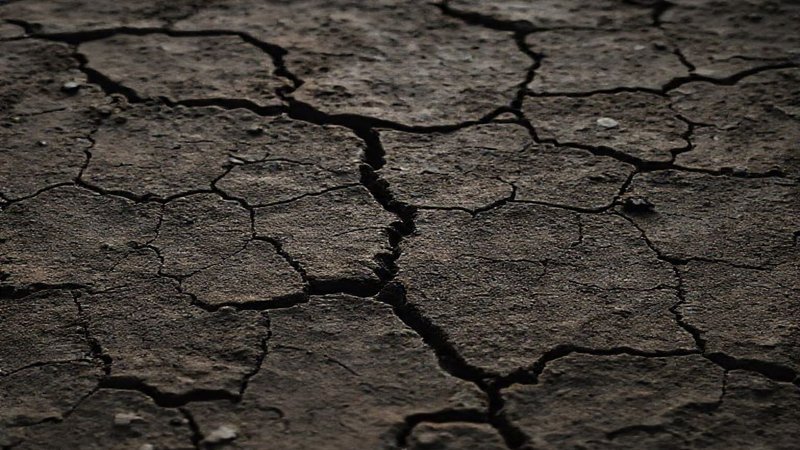
Centralia Inferno: The Town Burning Beneath Pennsylvania for 60 Years
Centralia, Pennsylvania, is a ghost town unlike any other. It is not abandoned due to economic collapse or natural disaster, but because the very ground beneath it is ablaze. For over sixty years, a massive anthracite coal fire has raged miles underground, turning homes into toxic death traps and forcing the entire population to relocate. This is the chilling reality of the smoldering hell beneath the ground.
Navigate Content
The Spark of Disaster: Memorial Day Mishap
The disaster began innocently enough in May 1962 during Memorial Day preparations. Town officials decided to burn refuse at the local landfill, which sat directly above the opening of an abandoned anthracite mine. Though they thought the fire was extinguished, the heat seeped into the vast, unextinguished coal seam below. Anthracite coal burns for centuries at intense heat, creating a monster that authorities initially failed to grasp. Residents first noticed problems as strange odors and wilting vegetation became common.
The Ticking Time Bomb: Warnings Ignored
For years, officials hoped the fire would simply burn itself out as oxygen was depleted. However, the complex network of abandoned mine tunnels provided a constant, self-feeding supply of air to the blaze. The danger became undeniable in 1979 when a gas station owner discovered his underground fuel tanks were heated to 172°F. The terrifying reality of the volatile situation was further cemented by the near-fatal incident in 1981: Todd Dombrosky, a 12-year-old boy, fell into a 150-foot sinkhole emitting lethal fumes, narrowly escaping being consumed by the inferno.
Evacuation and Eminent Domain
Following the near-tragedy, the U.S. government recognized Centralia as uninhabitable. Extensive surveys revealed the fire spanned a massive area, costing hundreds of millions to extinguish with no guarantee of success. In 1984, Congress funded the voluntary relocation of residents. While most accepted the buyout and abandoned their ancestral homes—which were subsequently demolished—a dedicated handful refused to leave. Their resistance culminated in Pennsylvania exercising eminent domain in 1992, seizing all property rights. A later settlement allowed a few holdouts to remain until their deaths.
Centralia Today: An Apocalyptic Landscape
Today, Centralia resembles a scene from a dystopian film. Streets are overgrown, sidewalks mark where houses once stood, and only a few structures, like the Ukrainian Catholic Church built on solid rock, remain relatively untouched. A significant landmark was the former Route 61, nicknamed the Graffiti Highway, which cracked due to subterranean heat. Although visitors once covered it in vibrant art, the road was covered with dirt in 2020 to stop large gatherings. Geologists estimate the coal supply will keep the fire burning for at least another 250 years.
Frequently Asked Questions
Generated by AI Content Architect
About The Author