
Cahokia Mystery: The Lost American City That Surpassed London
Cahokia Mystery: The Lost American City That Surpassed London
Navigate Content
The Earthen Colossus: Monks Mound and the Cahokian Boom
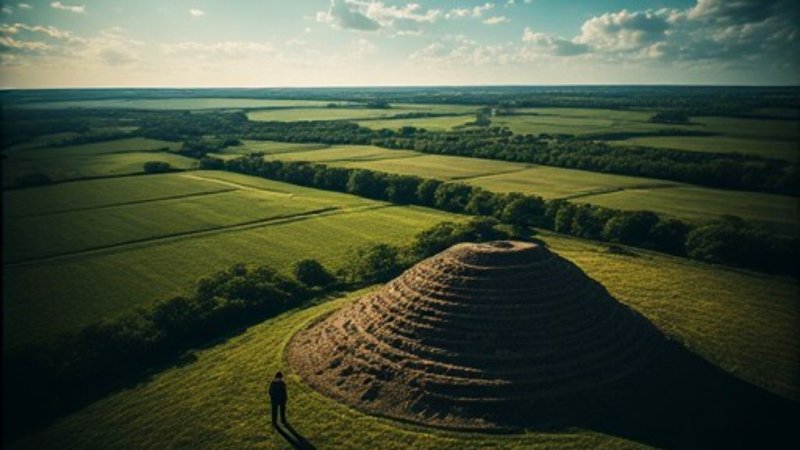
Imagine an earthen pyramid, Monks Mound, weighing six million tons, constructed entirely by human muscle, basket by basket. Around 1050 AD, Cahokia experienced an explosive growth, transforming into the largest urban center north of Mexico, housing an estimated twenty thousand people. This rapid expansion required unprecedented agricultural mastery, fueled by maize. The sheer scale of this construction—a hundred-foot-high platform whose base exceeds the footprint of Giza’s Great Pyramid—demands we ask: Why such grandeur?
Astronomy, Sacrifice, and the King’s Gaze
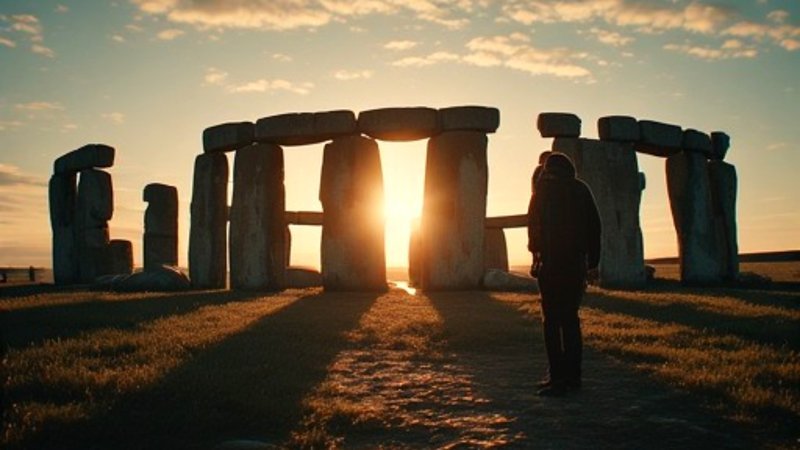
Cahokia was a place of stark contradictions. While astronomers tracked celestial movements with astonishing accuracy using structures like Woodhenge, aligning posts precisely with the equinoxes, the city’s spiritual life was shadowed by violence. Excavations at Mound 72 revealed the chilling truth: the grave of a prominent figure laid upon 20,000 shell beads in the shape of a raptor, surrounded by the sacrificed remains of young men and women. This civilization blended astronomical genius with brutal ritual.
The Shadow of Fear: Building Walls Against an Unknown Threat
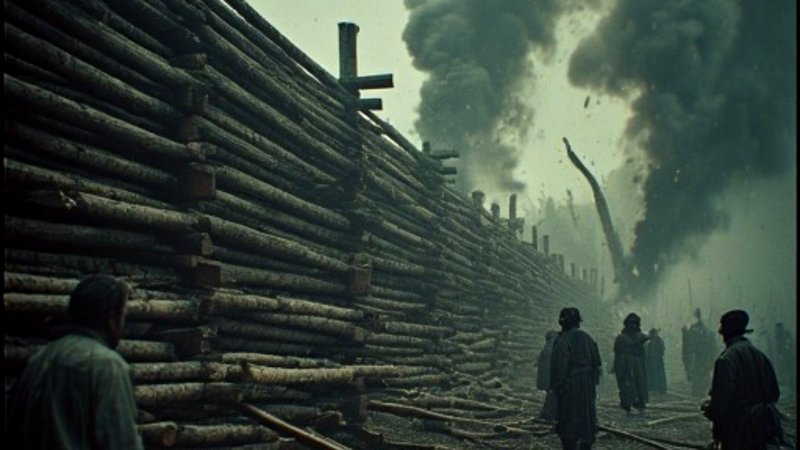
Prosperity gave way to panic. Around 1100 AD, the city mobilized to construct a defensive structure—the Great Palisade—a wall two miles long requiring the felling of twenty thousand mature trees. The construction implies profound fear, yet no external aggressors are clearly identified. Was the threat perceived external, or had the seeds of internal dissent and fear already taken root? This massive expenditure of labor speaks volumes about their deteriorating sense of security.
Ideological Suicide: Beyond Drought and Disaster
While mainstream explanations often point to climate change or drought, the author suggests a deeper, sociological failure. When the ‘Sun King’ failed to maintain his perceived divine connection during crises, legitimacy evaporated. We must look beyond simple environmental stress:
- The people exhausted their environment through deforestation and pollution.
- Class stratification likely reached a breaking point.
- The eventual departure was voluntary and quiet, suggesting a fundamental, psychological rejection of the city’s structure—an “ideological suicide.”
The Silence of Abandonment and Modern Parallels
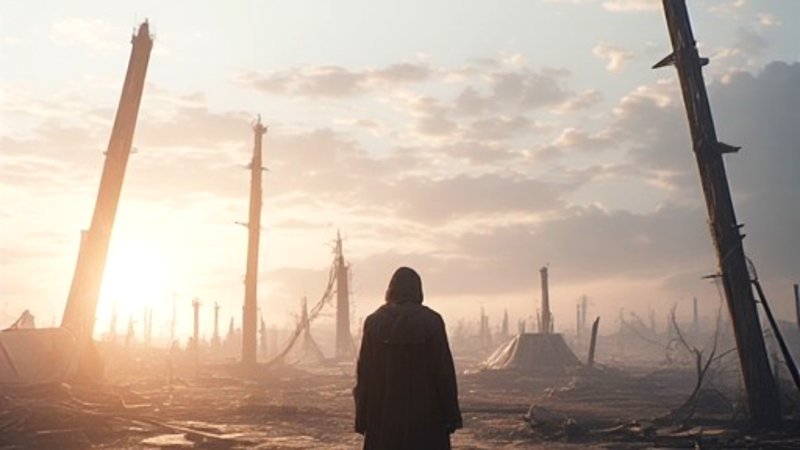
By 1350 AD, the great city was a ghost town, its massive mounds slowly returning to nature. The local tribes encountered by the French explorers later claimed no knowledge of its builders—they had been successfully erased from memory. This raises a sobering question for our own time: Does complexity breed fragility? Cahokia’s story warns that systems “too big to last” risk the same fate. Are we seeing our own reflection in Cahokia’s decline, especially given the environmental strain discussed in articles concerning threats like Microplastics in Blood: The Invisible Biological Threat to Humanity?
Frequently Asked Questions
About The Author