Ancient Healing Secrets: Medicine Modern Science Overlooked
Ancient Healing Secrets: Medicine Modern Science Overlooked
We live in an age of unparalleled medical technology, yet an undeniable sense lingers that we’ve lost something vital—a direct, holistic connection to healing. The wisdom of ancient physicians, who treated the whole person rather than just the symptom, remains buried, waiting to be rediscovered. This is a journey into the documented miracles of ancient medicine that modern science has deliberately or accidentally concealed.
Navigate Content
Egyptian Wisdom: Penicillin in Moldy Bread
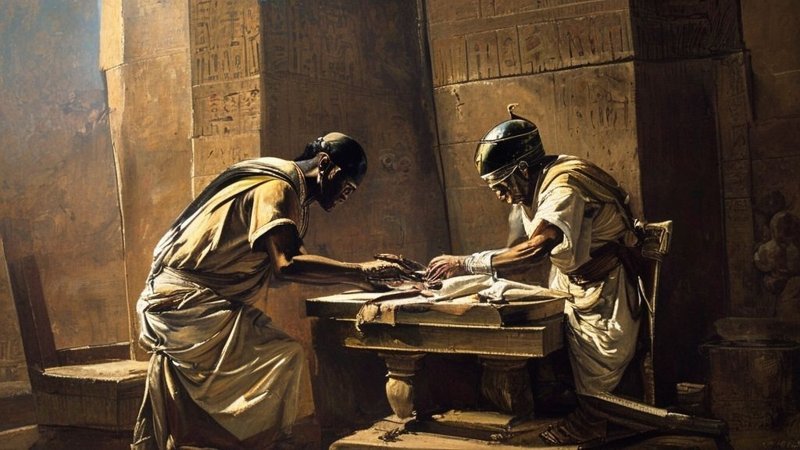
Ancient Egypt provides startling proof of advanced understanding. The Ebers Papyrus, over 3,500 years old, details 811 therapeutic prescriptions. Consider this: Egyptians routinely used moldy bread to treat infections. This was, unknowingly, an antibiotic protocol. Fleming’s discovery of penicillin in the 20th century was merely a rediscovery of a commonplace ancient practice. They understood microbial defense long before laboratories existed.
Inca Neuro-Surgery and Obsidian Precision
When we look to the Andes, the Inca civilization showcases surgical prowess that defies their timeline. Trepanation—drilling holes into the skull—was performed with astonishing success. Modern analysis shows bone regeneration, implying long-term survival. Their secret lay in two areas:
- Obsidian Knives: Knives made from volcanic obsidian were microscopically sharper than steel, cleanly separating cells instead of tearing tissue.
- Natural Anesthesia: They utilized coca and cacao plants as sophisticated, non-addictive anesthetics, ensuring patient tranquility during highly invasive procedures.
Their survival rates for these cranial operations often exceeded 90%, dwarfing rates from conflicts as recent as the American Civil War.
Ayurveda and the Surgical Genius of Sushruta
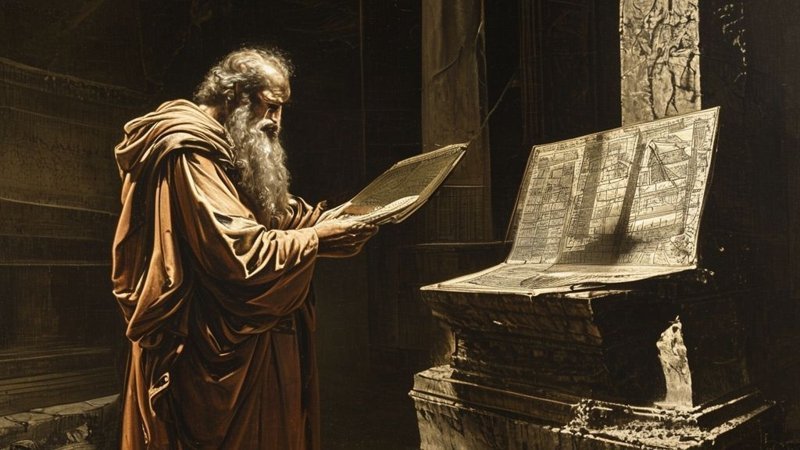
Ancient India contributed foundational surgical techniques. Sushruta, often called the father of plastic surgery (2,600 years ago), performed complex reconstructions, such as using forehead skin grafts to repair severed noses. He meticulously documented 125 different surgical instruments, some so fine they could bisect a single human hair. Crucially, Sushruta emphasized instrument hygiene and environmental sterility, concepts Europe wouldn’t seriously adopt until the 19th century.
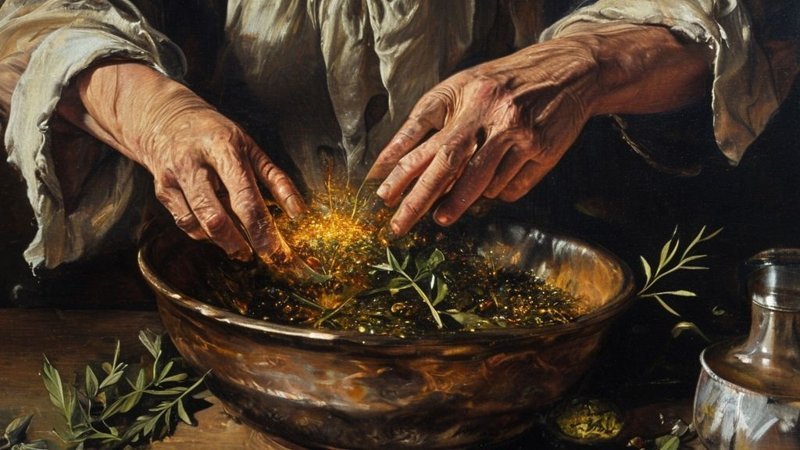
Holistic Healing: Music, Scent, and the Soul
The ancients saw the patient as a unified system. The Persian physician Ibn Sina, in his Canon of Medicine, went beyond physical symptoms. He treated ‘diseases of the soul’—depression and melancholy—using integrated therapies:
- Aromatherapy: Recognizing that the scent of jasmine could biochemically alter mood.
- Sound Therapy: Using the sound of running water to regulate cardiac rhythm.
This approach contrasts sharply with our modern reliance on single-target chemical solutions. For ailments built over years, the ancients sought keys, not sledgehammers.
Natural Antibiotics vs. Modern Chemistry
A final comparison highlights the depth of this lost knowledge: modern antibiotics indiscriminately destroy both harmful and beneficial gut flora, creating new problems. In contrast, natural remedies like mountain honey demonstrate intelligent action. Honey contains enzymes that specifically target pathogens while simultaneously nurturing healthy cells and promoting tissue repair. The complexity of nature remains unmatched by sterile test tubes, proving that the most powerful medicine was often grown, not synthesized.

Frequently Asked Questions
Generated by AI Content Architect
About The Author