
Did 2,000 Ships Sink at Once in Alexandria? Seafloor Evidence Revealed
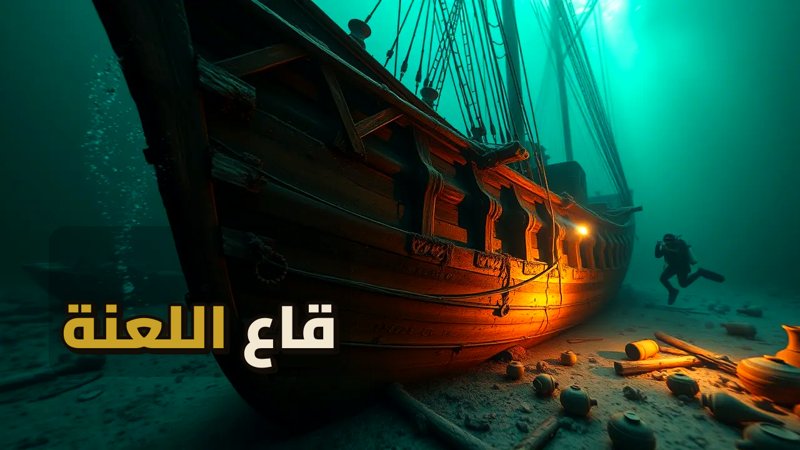
Did 2,000 Ships Sink at Once in Alexandria? Seafloor Evidence Revealed
At a depth of about six meters beneath the waters of Alexandria’s Eastern Harbor, divers encounter a preserved world of ancient shipwrecks. Rather than a single catastrophic event, seafloor evidence reveals a fascinating history of accumulated maritime mishaps spanning centuries.
Navigate Content
Portus Magnus: The Heart of Ancient Commerce
When the architect Dinocrates planned Alexandria, he constructed the massive Heptastadion causeway, dividing the sea into two harbors. The Eastern Harbor, or Portus Magnus, became the bustling lifeblood of ancient Mediterranean commerce. Thousands of tons of grain, oil, and wine flowed through its docks every day, transforming the basin into a hub of continuous economic activity alongside the true story of ancient Alexandria’s evolution.
800 Years of Accumulation
The massive number of wrecks discovered did not sink in a single cinematic night. Instead, it represents over 800 years of maritime activity. Generation after generation of ships entered the basin, and due to individual accidents or the passage of time, a portion of them ultimately settled permanently on the seabed. Factors contributing to these losses included:
- Massive cargo capacities that restricted maneuvering space.
- Narrow harbor channels filled with submerged rock masses.
- Severe winter gales creating extreme lateral water currents.
Julius Caesar and the Great Harbor Fire
Aside from navigational hazards, military conflict played a dramatic role in the harbor’s underwater graveyard. In the autumn of 48 BC, Julius Caesar found himself besieged in Alexandria. To prevent the Egyptian fleet from blocking his supply routes and escape paths, he made the prompt decision to set fire to the warships. The flames quickly spread through pitch-and-oil-waterproofed hulls to moored merchant vessels, sending dozens of burning ships straight to the bottom of the basin.
Navigational Dangers and Natural Obstacles
The geography of the harbor itself posed a continuous challenge to sailors. Submerged rock masses lay dangerously close to shipping lanes, making monuments like the Lighthouse of Alexandria essential navigational necessities rather than mere aesthetic feats. Without modern rudders, ancient ships relying on side steering oars struggled fiercely against sudden western winter gales, frequently ending up splintered against the rocks as noted by ancient geographers like Strabo.
Frequently Asked Questions
Generated by AI Content Architect
About The Author