
The Truth Behind Roman Sewers: Why Rome Built the Cloaca Maxima
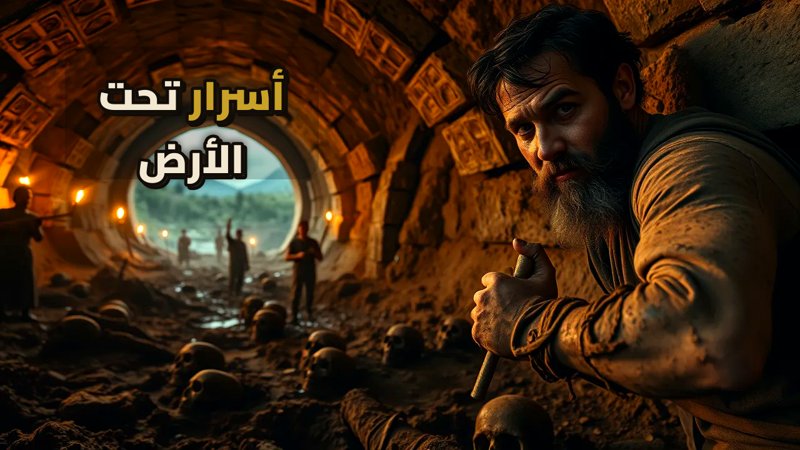
The Truth Behind Roman Sewers: Why Rome Built the Cloaca Maxima
In 600 BC, Rome was not the marble empire of popular imagination, but a valley drowned in stagnant water and mud. Popular belief holds that the Romans built advanced sewage networks for hygiene and to protect against germs. However, the reality was a brutal geographical necessity that shaped the future of Western civilization.
Navigate Content
A Geographical Challenge, Not a Hygiene Initiative
Before Rome could become a unified city, it had to overcome a severe geographical barrier. The low-lying ground between the Palatine and Capitoline hills was a continuous swamp. Trade, communication, and political centralization were impossible while the land remained underwater. As discussed in relation to ancient engineering feats like How Ancients Transported Water Over Long Distances Without Lasers, early civilizations often tackled massive water management projects out of sheer survival rather than modern scientific foresight. The Romans did not know what germs were; their primary goal was simply to drain the land so a community could physically exist.
The Brutal Construction of the First Ditch
Under the direction of Lucius Tarquinius Priscus, the fifth king of Rome, the massive excavation began. Initially, it was nothing more than a wide, deep open earthen trench. Executing this required immense human labor:
- Conscripted Labor: Peasants and the poor were forced to work alongside slaves and prisoners of war.
- Extreme Oppression: Pliny the Elder recorded that working conditions were so humiliating that some laborers committed suicide.
- Drastic Enforcement: To stop workers from fleeing or taking their own lives, the king crucified the bodies of those who died by suicide in front of their peers as a warning.
This brutal effort eventually dried the valley floor, creating the space that would soon become the Roman Forum—much like how other ancient empires left indelible marks, as seen in The Meroë Pyramids: Sudan’s Iron Empire That Defied Rome.
From Open Trench to the Cloaca Maxima
Draining the swamp created a new problem: an open trench carrying raw waste right through the heart of the emerging city. As the population surged during the second and first centuries BC, the Romans converted the open ditch into an underground marvel. Using solid volcanic tufa stone and semi-circular ‘Roman arches,’ they built the Cloaca Maxima (the Greatest Sewer). This subterranean river utilized gravity and public bath runoff to continuously flush waste toward the Tiber River.
The Surprising Reality of Roman Public Sanitation
Despite the engineering brilliance of the Cloaca Maxima, daily life inside Roman public restrooms was far from hygienic by modern standards. Public toilets featured rows of open stone seats with zero partitions or privacy. Furthermore, toilet paper did not exist; citizens used a shared sea sponge on a stick called a tersorium. Without modern water flushes or gas traps, foul odors and methane gas constantly rose directly beneath the seating areas.
Frequently Asked Questions
Generated by AI Content Architect
About The Author