When Russia Changed Solar Time: The Day the Morning Disappeared
When Russia Changed Solar Time: The Day the Morning Disappeared
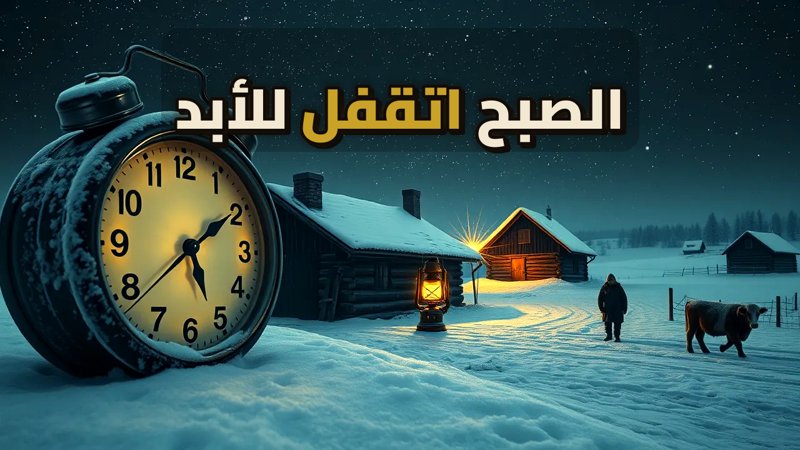
At 8:00 AM in a remote Russian village in December 2011, residents woke up to a bizarre reality: pitch darkness blanketing the outdoors. What began as a government decree to unify time zones turned into a fascinating clash between political ambition and the natural laws of the universe, deeply impacting both humans and farm animals.
Navigate Content
The Decree That Banned the Morning
In February 2011, then-Russian President Dmitry Medvedev enacted a policy to maintain ‘Daylight Saving Time’ year-round. Officials believed this simple paperwork change would eliminate the stress of changing clocks twice a year, reduce electricity consumption, and keep citizens energetic. Drawing from a Soviet-era legacy of attempting to ‘control nature,’ the government overlooked the sheer scale of managing 11 time zones across 17 million square kilometers. You can explore more strange historical anomalies and events over at The Secret of the Silent Disease.
When Farmers Met Political Time
While office workers adjusted to dark morning commutes with flashlights, the real crisis unfolded on rural farms. Farmers deal with land and livestock rather than government paperwork. The sweeping legislation created immediate friction between state schedules and the natural world, echoing the technological and historical shifts discussed in The Industrial Revolution in Alexandria.
The Rebellion of the Cows
Animals operate by an internal, fixed rhythm tied to the natural movement of light, completely ignoring politics. When farm workers were forced to follow the new governmental timetable:
- Waking routines shifted an hour earlier than natural cycles.
- Biological stress immediately impacted the livestock.
- Milk yield plummeted, causing financial chaos in the agricultural sector.
Cows refused to cooperate with political decrees, proving that nature cannot be easily reprogrammed by administrative policy.
Human Exhaustion and Chronic Jet Lag
The disruption extended far beyond agricultural losses. Russian laborers suffered from constant, localized jet lag. Their bodies signaled that it was still night, yet the clock forced them out into freezing darkness. This severe disconnect between social time and biological time caused chronic exhaustion, proving that humanity remains firmly subject to the laws of the universe.
Frequently Asked Questions
Generated by AI Content Architect
About The Author