Overtoun Bridge Dog Suicides: The Terrifying Truth of Mink Scent Traps

Overtoun Bridge Dog Suicides: The Terrifying Truth of Mink Scent Traps
Navigate Content
The Unsettling Precision of the Jumps
Standing on the classic 19th-century bridge surrounded by grey granite, the facts defy logic: six hundred dogs have leaped toward certain death. These incidents are not random acts of animal distress. There are specific patterns:
- The Right Side: Dogs always jump from the right side of the bridge.
- Sunny Days: Jumps predominantly occur on clear, sunny days.
- Location Specificity: They jump from among the last two parapets at the walkway’s end.
The drop is fifteen meters onto sharp rocks. Science dictates animals lack the necessary self-awareness for suicide, yet here, dogs choose to fly.
The Key Victims: Scent-Driven Breeds
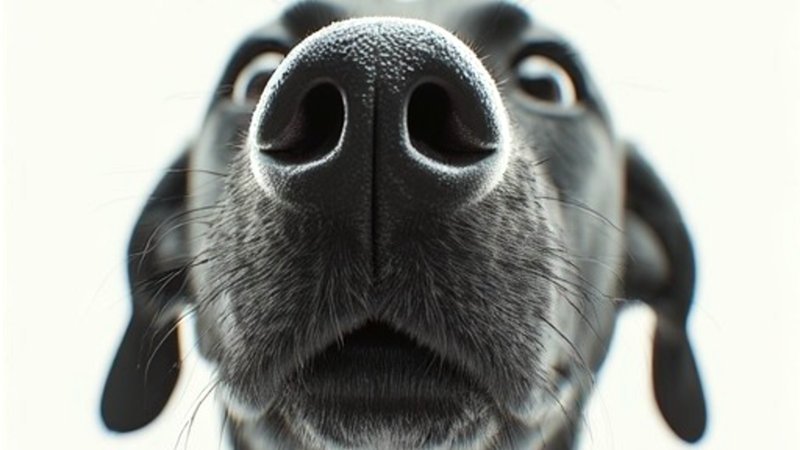
The victims share a crucial characteristic: they are overwhelmingly long-snouted breeds like Labrador Retrievers, Collies, and Golden Retrievers. This connection points directly to their most powerful asset—their sense of smell. These dogs perceive the world primarily through olfaction. The theory suggests the bridge acts as a conduit, tuning these highly sensitive receivers to a frequency they cannot ignore.
We must look beyond superstition, setting aside tales of the White Lady, and confront the real culprit introduced by humans: the American mink.
The Chemical Lure: Mink Scent as a Biological Trap
The American mink, introduced to Scotland in the 1950s, possesses anal glands that secrete an intensely potent chemical. For dogs, this odor is not mere smell; it is a ‘sensory explosion’—an irresistible, primal command.
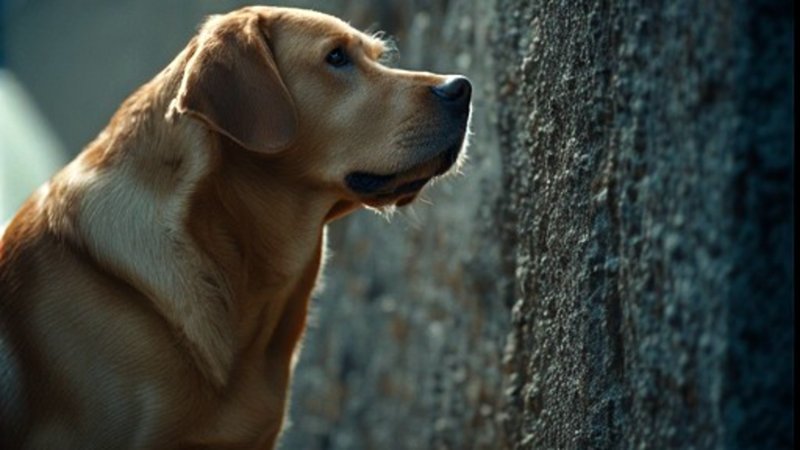
The bridge’s high stone walls prevent the dog from seeing beyond the barrier. The dog smells the compelling scent of what its instinct registers as massive prey directly below. The sun intensifies this effect because heat causes the mink’s chemical secretions to evaporate and disperse efficiently. The dog follows its nose blindly, expecting solid ground, only to find empty space. This is not animal suicide; it is a collision between human engineering and wild biology, creating a chemical ‘killing chamber.’
Responsibility vs. Mystery: Why We Prefer Ghosts
The implications of this discovery shift the blame. We prefer believing the bridge is haunted because attributing the tragedy to ghosts absolves us of responsibility. If the cause is the scent of an invasive animal, we become obligated to act.
Furthermore, surviving dogs sometimes return to jump again. This isn’t madness; it’s the tenacious power of instinct. The sulfurous compounds cling to the dog’s olfactory memory, overpowering all other senses, including fear of heights or its owner’s call. As the text suggests, we venerate mystery because it lets us off the hook.
Frequently Asked Questions
About The Author