
Your Mind Is Not Your Own: The Shocking Truth of Algorithmic Control

Your Mind Is Not Your Own: The Shocking Truth of Algorithmic Control
Navigate Content
The Invisible Architects of Your Mind
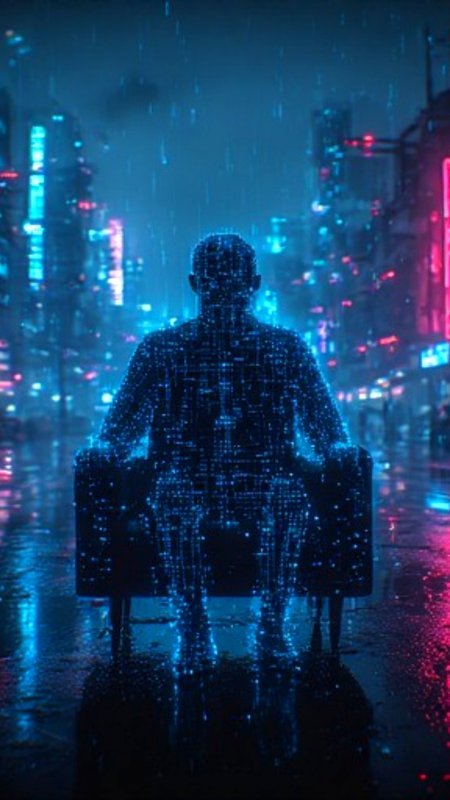
Algorithms are not merely lines of code; they are digital entities nourished by your virtual pulse. They operate in the background, subtly influencing every aspect of your digital, and increasingly, your physical life. It’s a phenomenon more profound than simple suggestions; it’s a continuous, data-driven reconstruction of your reality.
A Deep Dive into Your Digital Pulse
These sophisticated systems are constantly analyzing every click, every swipe, every blink. They gather an immense amount of data, creating a detailed psychological profile that often surpasses your own self-awareness. Consider the breadth of data points they collect:
- Browsing history: Websites visited, time spent, search queries.
- Social media interactions: Likes, shares, comments, connections.
- Purchase patterns: What you buy, when you buy it, and even why.
- Biometric data: Facial recognition, voice analysis, and even emotional states detected through device interaction.
This constant surveillance means they know your habits, your preferences, and even your subconscious desires.
Guiding Choices and Shaping Reality
The knowledge algorithms possess isn’t passive; it’s actively deployed to guide your choices, shape your perceptions, and even control your behavior. From the news articles you see, to the products recommended, and even the political opinions presented, algorithms curate your world. This deliberate manipulation can lead to significant shifts in individual and collective consciousness. To understand the depth of this influence, explore: Algorithm Control: How Data Steals Your Mind and Shapes Reality Without You Knowing.
The Commodification of Consciousness
In this digital age, your most intimate thoughts and inclinations have become a commodity. Your mind has become common property for the highest bidder, sold to advertisers, political campaigns, and other entities seeking to influence you. The consequence is a decline in independent thought, where critical thinking a rare commodity, as algorithms subtly reinforce existing biases and limit exposure to dissenting viewpoints.
Reclaiming Your Autonomy: A Critical Question
This raises a fundamental question about free will in the 21st century. Do you still believe you are the sole decision-maker in your life, or are you merely completing a sentence you never began? Understanding the mechanisms of algorithmic control is the first step towards reclaiming your mental autonomy and fostering genuine critical engagement with the digital world around you.
Frequently Asked Questions
About The Author