Eternal Diamond Battery: 28,000 Years of Power from Nuclear Waste
Eternal Diamond Battery: 28,000 Years of Power from Nuclear Waste
Navigate Content
Perpetual Power from Nuclear Waste
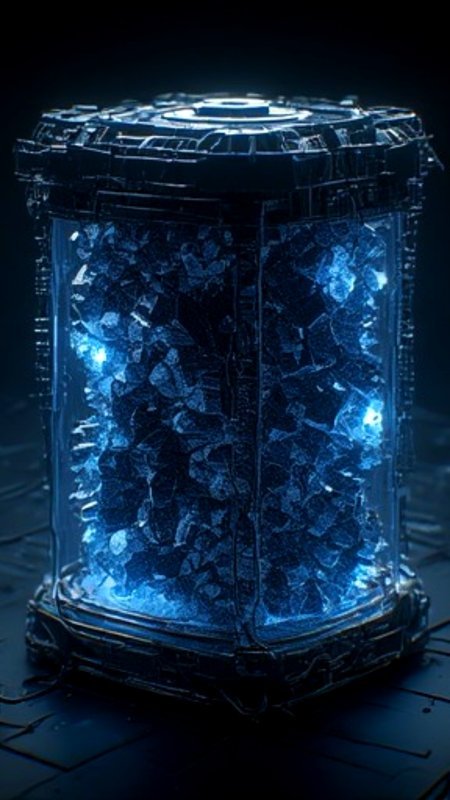
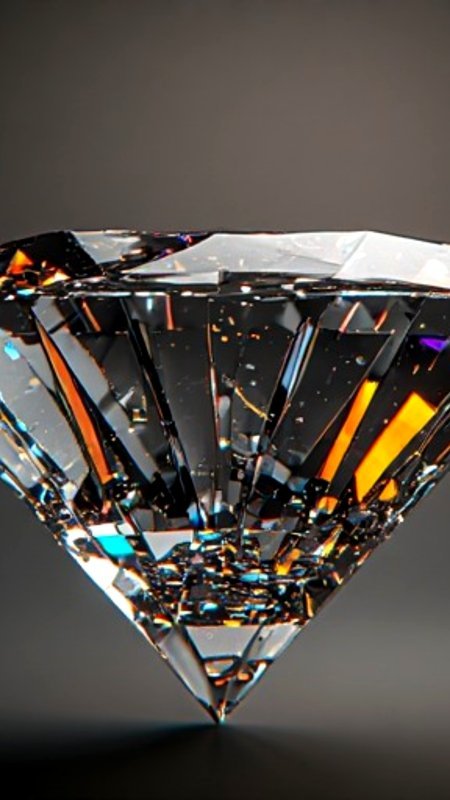
This concept relies on harnessing the energy from the carbon-14 isotope present in nuclear byproducts. Instead of remaining dangerous waste, this material is encapsulated within a synthetic diamond structure.
- The diamond serves a dual purpose: storing the hazardous material and acting as a semi-conductor.
- The radioactive decay is converted directly into usable electricity.
For a deeper dive into this technology, read 28,000-Year Battery: Nuclear Waste Transformed into Power Source.

Safety and Radiation Shielding
A primary concern with nuclear materials is radiation exposure. The Eternal Diamond Battery addresses this by using the diamond lattice itself as a containment shield. The resulting emission levels are astonishingly low.
Key Safety Feature: The device emits less radiation than a standard banana, making it incredibly safe for consumer and industrial applications alike.
The 28,000-Year Lifespan
The immense lifespan of this power source is derived from the half-life of the isotopes involved. Unlike conventional batteries that degrade or require frequent recharging, this technology offers an unparalleled duration of operation.
- Duration: Functions non-stop for twenty-eight millennia (28,000 years).
- This longevity potentially solves long-term power needs for remote devices, spacecraft, or critical infrastructure.
Discover more about this incredible breakthrough in our full article: Eternal Diamond Battery: 28,000 Years of Power from Nuclear Waste.
Implications for the Future
This technology represents a massive paradigm shift, effectively solving two global problems simultaneously: nuclear waste disposal and the demand for sustainable, long-term energy. It moves waste from being a liability to an asset.
While this technology matures, consider other future-facing scientific marvels, such as the potential for solving global thirst through Water from Air: Has Nanotechnology Solved the Global Thirst Crisis?.
Frequently Asked Questions
About The Author