CRISPR and Humanity’s End: Designer Babies and the Ethics of Gene Editing
CRISPR and Humanity’s End: Designer Babies and the Ethics of Gene Editing
The advent of CRISPR gene-editing technology forces humanity to confront a monumental question: Are we standing at the threshold of a new evolutionary leap, or are we unknowingly engineering the end of natural human existence? This power to rewrite DNA moves from science fiction to imminent reality, demanding a deep dive into the responsibilities and terrifying potential held within molecular scissors.
Navigate Content
The Promise: Eradicating Disease
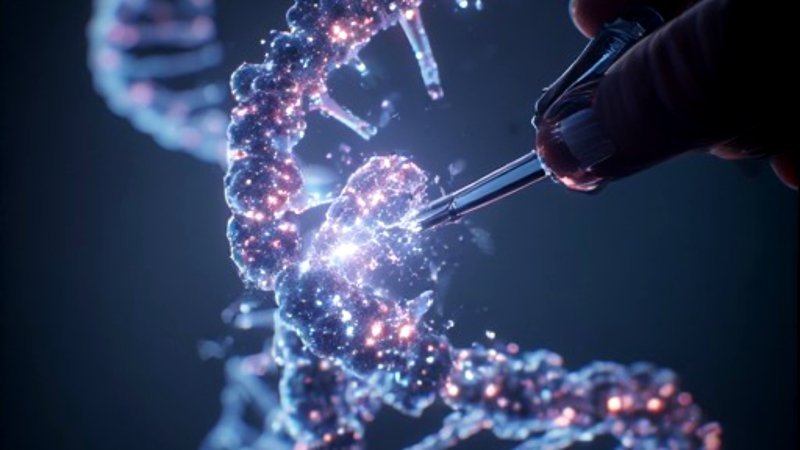
CRISPR offers a nearly miraculous potential: the ability to correct genetic errors responsible for devastating hereditary illnesses. Imagine a world free from cystic fibrosis or sickle cell anemia. This curative promise was the initial, noble driver for the technology. However, this benevolent starting point is rapidly giving way to more controversial applications, forcing us to ask: Is this power limited to healing, or will it be used for enhancement?
The Turning Point: From Cure to ‘Design’
The core ethical challenge emerges when the focus shifts from fixing defects to ‘designing’ superior traits. The concept of ‘designer babies’ moves beyond medical necessity into realms of preference and societal stratification. We risk creating a fractured society where:
- Genetic Perfection can be purchased by the affluent.
- A new Genetic Caste System emerges, widening inequality.
- Parenthood transforms into a Design Process rather than acceptance.
This societal divide is a nightmare scenario stemming from unchecked scientific ambition.
Unforeseen Consequences and Irreversible Risks
Modifying the germline—genes passed down through generations—carries unparalleled risk. Unlike software, biological code cannot be easily patched. Any unforeseen error or mutation could have catastrophic, permanent effects on the entire human species. Furthermore, eliminating ‘undesirable’ genes might inadvertently strip humanity of traits vital for future survival against unknown pandemics or environmental shifts. Are we prepared to risk our collective future for perceived immediate perfection? Consider the wider context of existential threats discussed in articles such as The Big Rip, which remind us of the universe’s indifference to our survival.
Defining Humanity: Gift vs. Product
At its heart, the CRISPR debate challenges our fundamental definition of being human. If every trait, from intelligence to physical strength, is selected and engineered, do children remain unique gifts? Or do they become customizable products? This loss of uncertainty and the beauty of natural imperfection could fundamentally alter human connection and self-perception. Imagine the future generations of ‘superhumans’ asking if their destiny was stolen by design. For further contemplation on what defines intelligence and existence, read about Digital Immortality.
The Watchmen and the Boundary Makers
The scientific community is deeply divided, with many calling for strict international red lines, especially after landmark events like the He Jiankui incident. The critical question remains: Who holds the authority to govern the code of life? As we navigate this complex gray zone where ethics meets cutting-edge science, continued dialogue and support for critical exploration—through liking and subscribing—are vital to ensuring awareness burns brightly. This knowledge helps us stay informed, much like tracking planetary defense measures discussed in the DART Mission article.
Frequently Asked Questions
Generated by AI Content Architect
About The Author