Fungal Puppeteers: How Mind-Controlling Fungi Rule Nature and Could Threaten Humans
Fungal Puppeteers: How Mind-Controlling Fungi Rule Nature and Could Threaten Humans
Imagine a force capable of hijacking free will, turning living beings into puppets for its own survival. This isn’t science fiction; it is the dominion of the Kingdom Fungi. Long underestimated as simple decomposers, these organisms are revealed here as sophisticated behavioral engineers, waging silent chemical warfare across the globe. We dive deep into the mechanisms of biopiracy that control insects and ask the terrifying question: how close are they to influencing us?
Navigate Content
The Ultimate Biological Hijack: The Zombie Ant Phenomenon
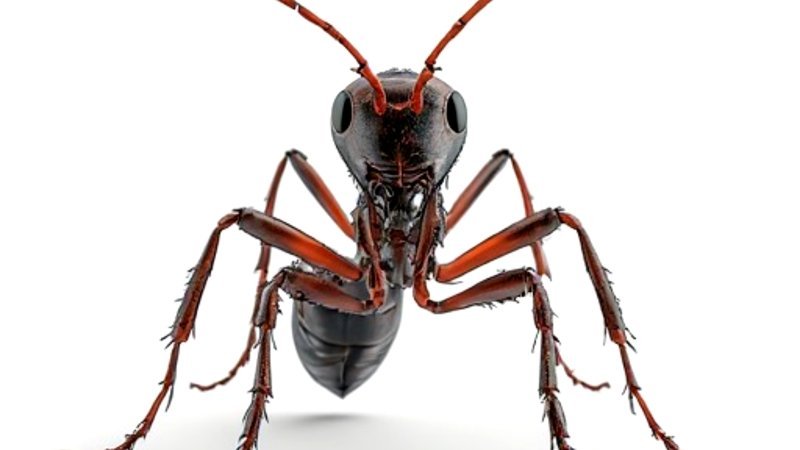
The most chilling evidence of fungal control is seen in the rainforests. A microscopic spore initiates a takeover, dissolving the ant’s exoskeleton and permeating its muscles and nerves. The fungus doesn’t just kill; it commands. It forces the ant to climb to a precise height and humidity level required for the fungus’s growth, culminating in the famous ‘death grip’ where the ant locks its mandibles onto a leaf vein before expiring. From the ant’s head, a fungal stalk emerges, poised to rain millions of new spores onto the colony below. This demonstrates an unparalleled level of strategic control for fungal propagation.
Chemical Warfare: Manipulating the Nervous System
How can an organism without a centralized brain issue precise commands? The answer lies in complex biochemistry. Fungi secrete compounds that mimic the victim’s own neurotransmitters, such as serotonin and dopamine. This chemical infiltration disrupts the victim’s will, making them believe their actions are autonomous. The host remains alive because the fungus needs a functioning host to move and distribute nutrients for its growth. The process involves:
- Selective ‘anesthesia’ of fear and hesitation centers.
- Stimulation of motor functions to follow fungal instructions.
- Use of ‘secondary metabolites’ capable of crossing the blood-brain barrier to bind to specific neural receptors.
The Ecological Balance: Recycling Death into Life
Despite their horrifying methods, these fungal zombie-makers play a critical role in planetary health. Nature operates on balance, not malice. Fungi act as a crucial biological equilibrium, preventing any single species—especially insects—from achieving unchecked dominance. They target the most prevalent individuals to restore systemic harmony, effectively transforming death into the seeds of future life. Furthermore, fungi form the vast ‘mycelial internet,’ connecting trees and managing nutrient and information transfer throughout the forest ecosystem, acting as the conductor of this grand biological orchestra.
The Human Question: Are We Immune to Fungal Influence?
The specialization exhibited by fungi is staggering; every species has evolved a specific chemical ‘key’ for its prey. They have studied insect vulnerabilities for millennia. This naturally leads to the unsettling question: could this influence extend beyond invertebrates? While human nervous systems are vastly more complex, evolution offers no guarantees. Scientists monitor this kingdom with extreme caution because if a fungus can compel an insect to commit suicide for its propagation, the potential for influencing larger, more complex creatures cannot be dismissed. This silent chemical warfare continues to evolve, adapting to new hosts and environments. Consider the strange connections fungi have to altering mood and consciousness, as seen in hallucinogenic species. As we seek knowledge, remember that understanding the hidden mechanisms of control is vital, whether it’s breaking subconscious patterns or guarding against unseen biological threats.
Frequently Asked Questions
Generated by AI Content Architect
About The Author