Sun Vanishes: The 8-Minute Delay to Eternal Darkness and Global Collapse

Sun Vanishes: The 8-Minute Delay to Eternal Darkness and Global Collapse
Navigate Content
The Eight-Minute Illusion: Borrowed Time Before Nothingness
The most jarring aspect of the Sun’s instant disappearance is the delay in our perception. Due to the 150 million kilometers separating Earth and the Sun, light takes precisely eight minutes and twenty seconds to reach us. For this brief window, life continues normally; shadows are cast, and the world is bathed in solar warmth. However, once the final photon arrives, the reality hits: the sky turns absolutely black. The Moon, dependent on solar reflection, vanishes too. We are instantly plunged into a darkness unseen since the dawn of history, initiating what becomes a temporary, but devastating, solar eclipse lasting days.
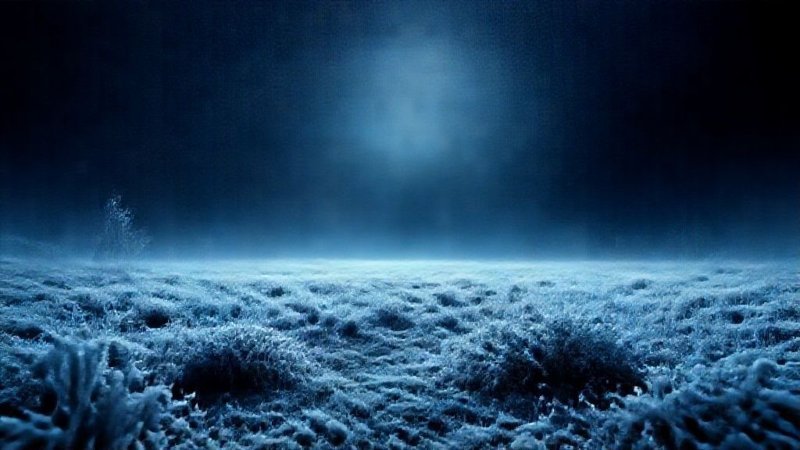
The Onset of Radiative Cooling and Immediate Cold
The true disaster begins immediately after the light fades. Earth transitions from an energy absorber to a massive radiator, bleeding its stored heat into the cosmic vacuum—a process scientists call ‘radiative cooling.’
- Within the first sixty minutes, surface temperatures in major cities begin dropping by several degrees per hour.
- Atmospheric moisture condenses rapidly, causing dense fog to shroud the silent streets before freezing solid.
- The oceans, while slow to cool entirely, create massive thermal differentials, leading to sudden, unstable air currents and strange, violent winds as cold air masses rush outwards from continents.
Atmospheric Collapse and the Fate of Photosynthesis
Beyond the surface chill, the upper atmosphere faces catastrophic, rapid changes. The ionosphere, crucial for radio wave reflection and planetary shielding, begins to contract and collapse without solar particle input. This physical chaos disrupts communication systems almost immediately. The biological question follows closely: what happens to the planet’s ‘verdant factories’? Photosynthesis ceases instantly. While plants might consume stored energy for a short while, the enforced fast from light will eventually lead to their death, raising critical concerns about long-term oxygen supply and potential asphyxiation if this state were prolonged.

Charting the First Week of Isolation
The initial hours mark the beginning of global system failures. The abrupt loss of thermal input destabilizes weather patterns entirely. While deep ocean heat provides a buffer, the surface rapidly succumbs to lethal cold. The simulation projects a week (168 hours) of absolute isolation, testing civilization’s dependence on solar energy. This scenario showcases not just the loss of light, but the collapse of the delicate, billion-year equilibrium that makes Earth habitable. If you are looking for historical comparisons of sudden, devastating environmental shifts, consider how ancient mega-projects like The Ma’rib Dam relied on predictable climate patterns that would instantly cease.
Frequently Asked Questions
About The Author