Collapse of Bronze Age Civilizations: Who Were the Mysterious Sea Peoples?
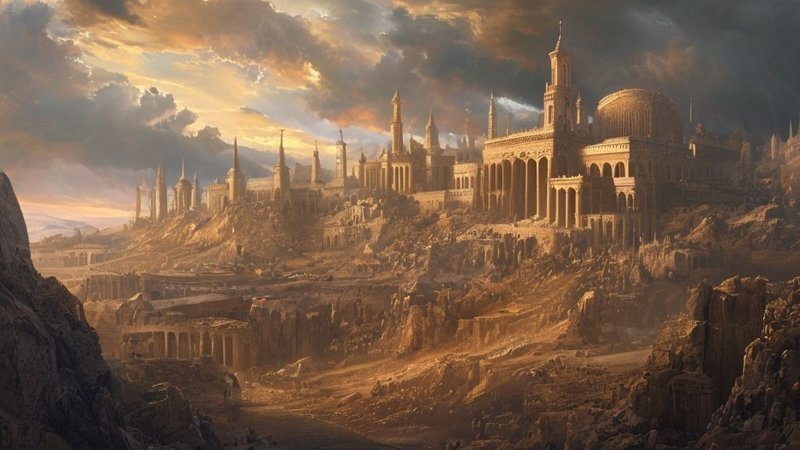
Collapse of Bronze Age Civilizations: Who Were the Mysterious Sea Peoples?
Navigate Content
The Zenith and Sudden Ruin of Globalization 1.0
Before the cataclysm, the Mediterranean basin enjoyed a golden age of commerce. Tin flowed across the seas, fueling bronze production—the very foundation of Bronze Age military and agricultural might. Powerful states, from Egypt to Anatolia, relied on this intricate web. However, this very interconnectedness proved to be their fatal flaw. When maritime supply lines were severed by mysterious raiders, the domino effect began:
- Trade Disruption: The immediate halt of tin trade crippled bronze weapon and tool manufacturing.
- Famine and Drought: Concurrently, multi-year droughts scorched agricultural output, starving populations already strained by warfare.
- Systemic Shock: The failure of trade immediately led to internal revolts and the erosion of royal authority across several kingdoms simultaneously.
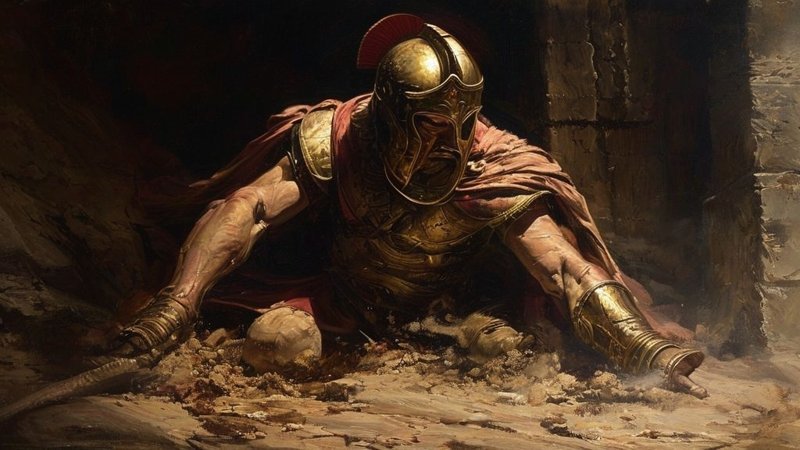
The Enigma of the Sea Peoples: Armed Migration
These invaders were unlike typical raiding parties. Egyptian records reveal they were not just armies, but entire migrating populations, moving with their families in ox-drawn carts. Groups like the Peleset, Tjeker, and Sherden struck terror along the coasts. Their arrival signaled not just invasion, but displacement from their own collapsing homelands in the north. Ramesses III fought a desperate defensive war against this human flood, culminating in a massive naval engagement in the Delta. While Egypt survived the immediate onslaught, the victory bankrupted its treasury and marked the beginning of its long decline, paving the way for new powers, including the Philistines (a recognized Sea Peoples group).
Multiple Triggers: Beyond the Raiders
While the Sea Peoples delivered the final blows, they were likely the final pressure on an already stressed system. The text suggests a convergence of disasters—a ‘straw that broke the camel’s back’ scenario. Historians now point to several simultaneous environmental and seismic shocks:
- Climate Change: Decades of severe drought severely limited agricultural viability.
- Earthquakes: Devastating earthquakes struck major population centers around the same time, contributing to widespread destruction.
- Loss of Central Authority: The combination of external threats and internal resource scarcity led to the complete disintegration of governance in areas like Mycenaean Greece, resulting in a 300-year Dark Age where even literacy vanished.
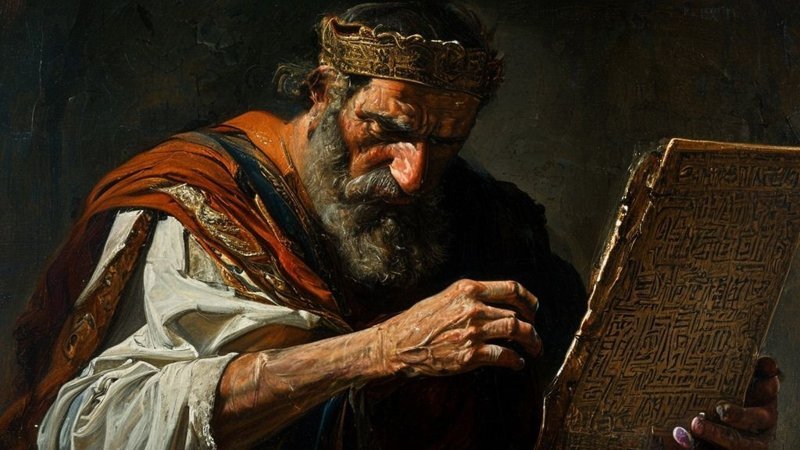
The Birth of the Iron Age from Ashes
The Great Collapse, though horrifying, reset the global template. The old Bronze Age order, reliant on centralized palaces and specific trade routes (especially for copper and tin), vanished. In its place, new political and technological realities emerged. This vacuum allowed for innovation:
- The Phoenicians established trade networks based on decentralized commercial enterprise.
- The technology of Iron, previously rare, became accessible, fundamentally changing warfare and agriculture.
- In Greece, the subsequent political vacuum eventually led to radical new forms of governance like democracy.
Frequently Asked Questions
About The Author