Sphinx’s Hidden Chambers: The Unsolved Mystery Beneath its Left Paw
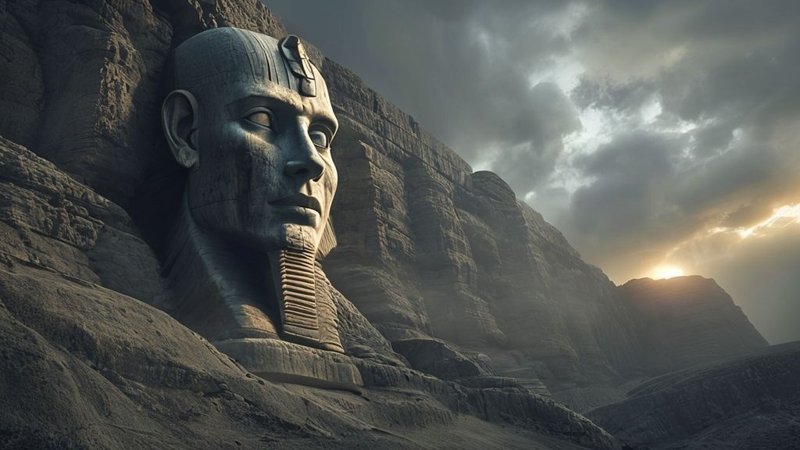
Sphinx’s Hidden Chambers: The Unsolved Mystery Beneath its Left Paw
Imagine standing before the Great Sphinx and sensing mysterious vibrations beneath your feet. Advanced scanning equipment has confirmed the existence of precisely carved secret chambers deep within the bedrock. However, sovereign orders were suddenly issued for a complete halt, prohibiting all personnel from approaching this sensitive area.
Navigate Content
Initial Discoveries Beneath the Sphinx’s Left Paw
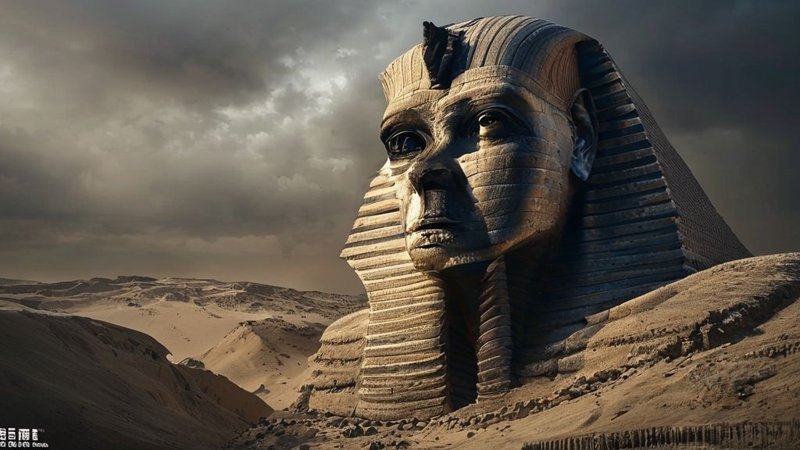
You are now standing above one of the most profound enigmas in all of human history. You feel the coolness of the rock beneath your feet despite the scorching desert sun enveloping the location. Have you ever wondered what lies hidden in the remote depths beneath the colossal paws of the Sphinx? In 1987, a scientific expedition from Waseda University in Japan commenced an exploration of the plateau using highly sophisticated technology. Ground-penetrating radar devices emitted electromagnetic pulses that struck the rock layers and returned bearing astonishing secrets. The scientific team, led by Sakuji Yoshimura, observed something entirely anomalous on their digital monitoring screens. There, beneath the left paw of the colossal statue, an oblong cavity appeared, extending several meters into the earth. It was not a natural fissure but an organized void suggesting meticulous carving by human hands millennia ago. You can imagine the researchers’ hearts pounding faster with every radar pulse confirming the presence of intricate, maze-like intersecting passages.
Geophysical Confirmation and the Legend of the Hall of Records
A few years later, Dr. Thomas Dobecki arrived and employed seismic surveying techniques that measure the velocity of acoustic waves rebounding through the solid limestone. The results were startling, confirming a large chamber located approximately nine meters beneath the statue. These discoveries rekindled the legend of the lost Hall of Records, purportedly containing the history of a lost civilization predating the Pharaonic era. You view these geophysical surveys as conclusive evidence that the Giza Plateau is not merely a necropolis but a vast stone archive. The air in these hypothetical chambers is cold and dense, untouched by human presence for untold ages.
The Mysterious Halt to Excavations and Official Justifications
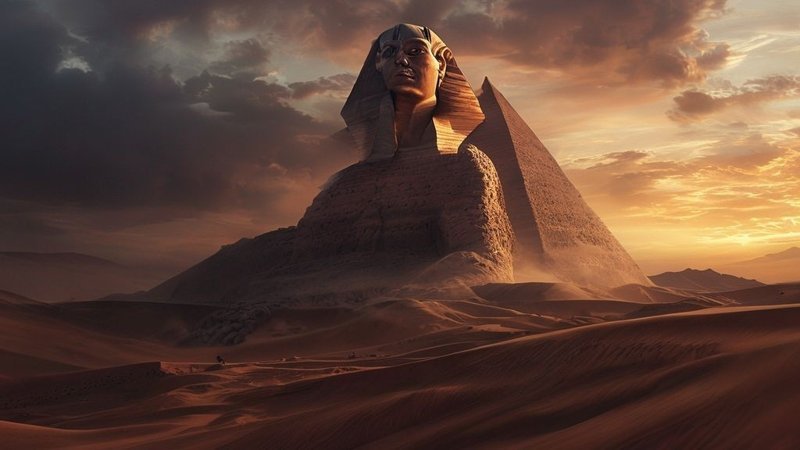
Yet, you confront a harsh reality when you learn that all attempts at actual excavation have ceased suddenly and inexplicably. This is where the narrative shifts into an unsettling mystery that sparks profound questions. Every time scientists neared pinpointing the exact point of entry, they encountered a wall of bureaucratic obstacles and permits revoked without prior notice. Antiquities officials justify this prohibition by citing the need to protect the statue’s structure from collapse or groundwater seepage that could erode the rocky foundation. However, you intuitively sense that another reason lies concealed behind these official justifications. Scientific reports that once filled academic journals began to dwindle and gradually disappear from public circulation. The area around the left paw became surrounded by both conceptual and physical barriers preventing any researcher from deploying their equipment there again.
The Deepening Enigma: What Truth Lies Buried?
Imagine the psychological pressure felt by a scholar who has dedicated their life to studying this desert, only to find themselves barred from taking the final step toward absolute truth. You see in the eyes of these researchers a look of anticipation mixed with apprehension regarding the unknown lurking beneath our feet. Is it advanced technology humanity is not meant to know at this time, or are they simply empty chambers feared for the potential disappointment they might hold? The rock beneath the Sphinx does not speak, but it transmits frequencies that baffle the mind and cause us to doubt every line we have read in conventional history books. The mystery deepens with each passing year, and the questions hang suspended in the hot Giza air, awaiting someone daring enough to break the silence. Do you believe the truth will ever emerge, or will it remain buried under the rock forever?
Frequently Asked Questions
Generated by AI Content Architect
About The Author