Zombie Viruses: Ancient Pathogens Unleashed by Thawing Permafrost
Zombie Viruses: Ancient Pathogens Unleashed by Thawing Permafrost
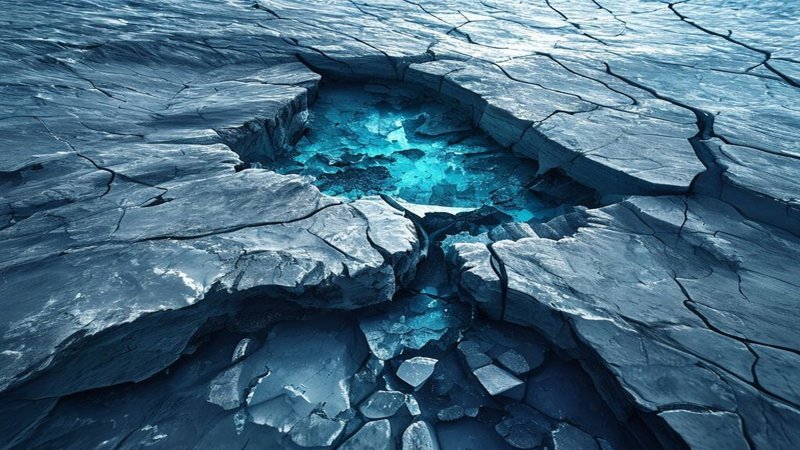
Underfoot in the far North, a colossal ice tomb holds secrets millions of years old. This tomb is now beginning to open, releasing not just water, but microscopic entities that lay dormant before the dawn of human civilization. Imagine walking on ground frozen millennia before the pyramids emerged. This permafrost in Siberia and the Arctic is more than just mud and ice; it is a biological time capsule, dark and anoxic, safeguarding unknown microorganisms within. As our planet’s temperatures rise, this capsule has begun to thaw at an alarming rate. You might believe the danger lies solely in rising sea levels, but the grim truth is hidden in the microbes now awakening from their deep slumber.
Navigate Content
The Permafrost Time Capsule: A World Beneath the Ice
For millions of years, the permafrost layers beneath the Arctic and Siberian tundras have acted as an unparalleled preservation medium. Far from being inert frozen ground, these depths are a biological time capsule, maintaining temperatures that prevent decay and oxygen deprivation that stops biological processes. Within this icy embrace, an unimaginable archive of life, including microbes and viruses, has remained dormant, effectively paused in time. This ancient repository is now yielding to the relentless march of global warming, threatening to unlock secrets and dangers humanity has never before encountered. The scale of this awakening is profound, revealing the planet’s hidden vulnerabilities and other mysteries held within the ice.
The Rise of ‘Zombie Viruses’: Ancient Pathogens Awakened
The term ‘zombie viruses’ is not mere sensationalism; it accurately describes organisms that return to life after thousands of years of clinical dormancy. Consider these alarming discoveries:
- In 2014, scientists thawed and revived Pithovirus sibericum, a giant virus dormant for an astounding 30,000 years. Crucially, it regained its full infectious capacity.
- More recently, a virus extracted from the bottom of a frozen lake, dating back an astonishing 48,500 years, also proved viable.
The grave concern is that your modern immune system, honed over millennia to battle contemporary threats, stands completely defenseless against prehistoric pathogens. Our bodies have no memory or evolved response to these ancient adversaries, meaning any immune reaction could be dangerously slow or entirely absent.
A Stark Warning: The Anthrax Outbreak and Environmental Fallout
The dangers are not hypothetical. In 2016, an unprecedented heatwave in Siberia served as a grim precursor. A deep layer of permafrost thawed, exposing the carcass of a reindeer infected with anthrax, which had died 75 years prior. Spores rapidly spread through air and water, leading to the infection of dozens of people and, tragically, the death of a child. This localized event highlights the terrifying potential for a much wider, global catastrophe. Beyond pathogens, permafrost also acts as a massive reservoir for carbon and methane. As it thaws, these potent greenhouse gases are released, accelerating global warming and creating a destructive feedback loop—more thawing means more gas release, which means more warming, and potentially, more rapidly spreading infections. This intertwining of climate and microbial threats amplifies the urgency of the situation.
Global Biodefense: Racing Against Time and the Unknown
Today’s world confronts a major ethical and scientific dilemma. Are we adequately prepared to confront the unknown—pathogens against which traditional antibiotics may prove ineffective? While global laboratories are racing against time to study these ancient samples, the pace of climate change often outstrips our ability to predict and analyze. The threat is not a distant, abstract concept. International travel and global trade networks possess the terrifying capacity to transport an ancient disease from the depths of the Arctic to your doorstep in a matter of hours. The preparedness of global health systems remains fragile, emphasizing the critical need for more sophisticated and robust biodefense strategies. Understanding the psychology of such potential disasters is crucial for effective public response and preparedness.
A Call to Awareness: Confronting Our Planet’s Hidden Truths
This cry from the depths of cracking ice serves as a stark reminder that our manipulation of the climate may awaken merciless microscopic entities. If these facts concern you, you are not alone; awareness is your primary tool for survival in a world of constant change. To stay informed about our planet’s secrets and the threats to your future, we invite you to join our community by subscribing to our channel and activating notifications to be among the first to view our upcoming investigations upon release. Share your thoughts in the comments: Do you believe human science can defeat an adversary suddenly roused from aeons of slumber? Continue to follow us as we unveil more truths hidden by this planet behind its enigmatic icy veil, including other profound mysteries of nature.
Frequently Asked Questions
Generated by AI Content Architect
About The Author