Nan Madol: Pacific City Built on Water Defying Physics | Engineering Enigma
Nan Madol: Pacific City Built on Water Defying Physics | Engineering Enigma
Navigate Content
The Impossible Foundation: Basalt Columns and Coral Support
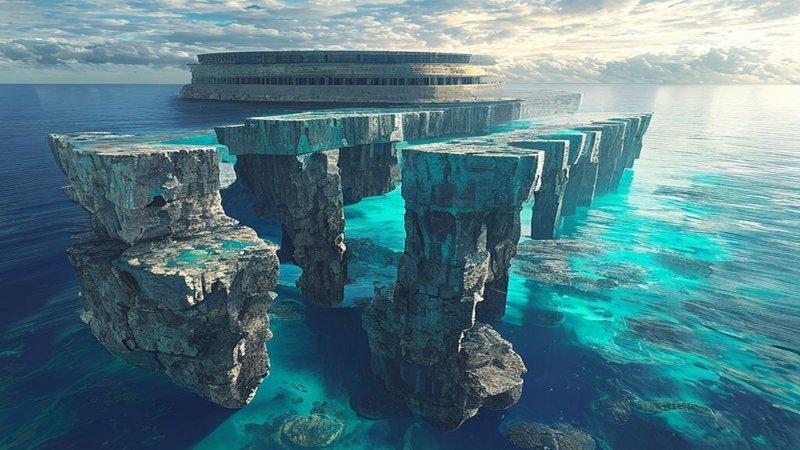
The very basis of Nan Madol is an engineering contradiction. The structure rests upon living coral foundations that should inherently collapse under the colossal weight. Engineers estimate the total stone mass to be around 750,000 tons. Central to the construction are enormous hexagonal basalt columns, some weighing over fifty tons each. Imagine:
- Transporting these monolithic blocks from distant quarries.
- Moving them across dense, rugged terrain.
- Precisely placing them underwater onto a living reef base.
This feat alone dismisses conventional knowledge of ancient logistics. It makes one wonder if ancient peoples possessed knowledge related to lost technologies, similar to theories surrounding the Orichalcum and lost metals, or perhaps a lost understanding of structural dynamics.
Architectural Scale: Walls that Defy Gravity
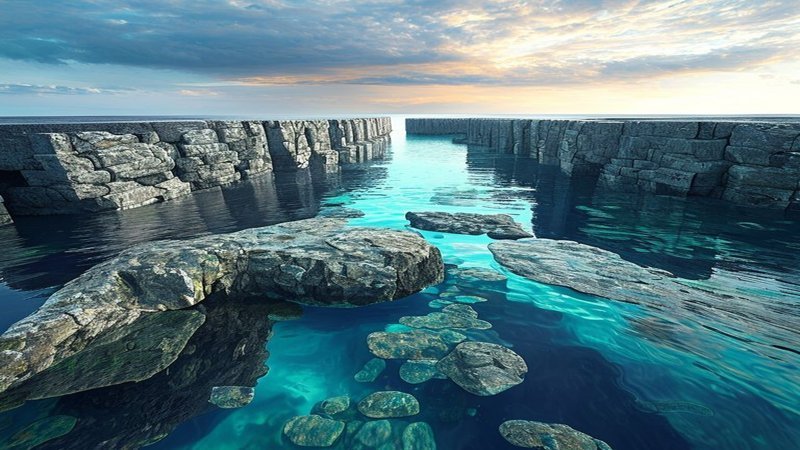
The sheer scale of Nan Madol’s defensive structures further deepens the enigma. Certain walls achieve thicknesses of five meters and heights exceeding fifteen meters. These imposing fortifications demonstrate mastery over massive load-bearing challenges. How were these immense vertical pressures managed without employing known ancient hoisting mechanisms like wheels or sophisticated pulleys?
The city functioned as an aquatic Venice, with tidal waterways flowing between the islets. This integration of architecture with the marine environment, while beautiful, adds another layer of complexity to the structural analysis. It forces us to question the scope of ancient civilizations; were they more advanced than generally credited, perhaps possessing secrets lost to time, like the lost nanotechnology found in Damascus Steel?
Legends, Lost Technology, and Geological Resilience
Local folklore attributes the construction to mythical sorcerers who used magical incantations to levitate the stones. While scientifically unsound, these legends underscore the contemporary disbelief that mere manual labor could achieve this result. The structure has endured centuries of fierce typhoons and relentless ocean waves—a testament to a lost understanding of hydrodynamics and material science.
The absence of any tools, written records, or discernible construction manuals leaves contemporary researchers with only the ruins themselves. Exploring Nan Madol is like reading a history book with half the pages ripped out, leaving us to hypothesize about the creators and their sudden vanishing act.
The Enduring Call to Question: Scientific Blind Spots?
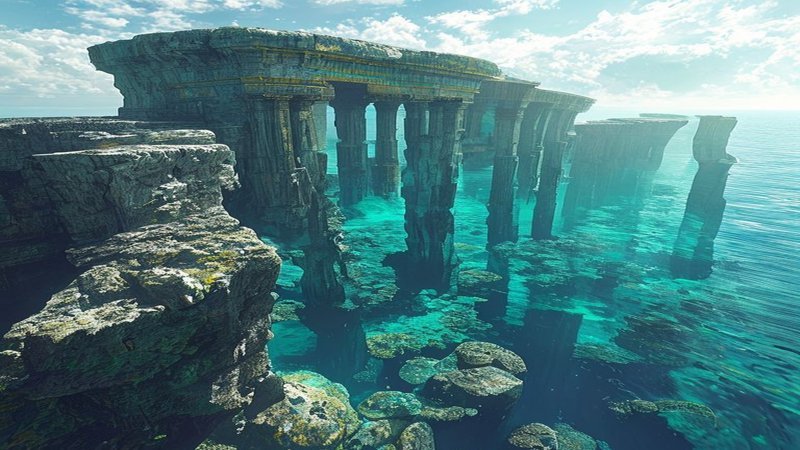
Nan Madol serves as a powerful monument challenging the established historical timeline. It stands alongside sites like Göbekli Tepe and the White Pyramids of China as evidence that our perception of early human capability might be severely flawed. Was the engineering employed here based on an ancient technology that modern science has simply failed to acknowledge or rediscover? The mystery deepens as we consider the immense pressure exerted on the environment and the structure’s long-term stability.
We invite you to join the ongoing investigation in the comments below. Do you believe modern science overlooks key aspects of ancient ingenuity, or is there an earthbound explanation we are missing?
Frequently Asked Questions
About The Author