Göbeklitepe Enigma: 12,000-Year-Old Temple Rewrites Human History

Göbeklitepe Enigma: 12,000-Year-Old Temple Rewrites Human History
Navigate Content
The Impossibly Ancient Temple
Discovered in 1994 by Klaus Schmidt, Göbekli Tepe in southeastern Turkey dates back to 9,500 BCE, placing it firmly in the Neolithic era. Yet, the site features massive T-shaped megalithic pillars, some weighing up to fifty tons. The critical puzzle is how Neolithic peoples, lacking metal tools, the wheel, or pottery, managed to quarry, carve, and erect these colossal stones. This demands a level of social organization and technical skill previously deemed impossible for that epoch.
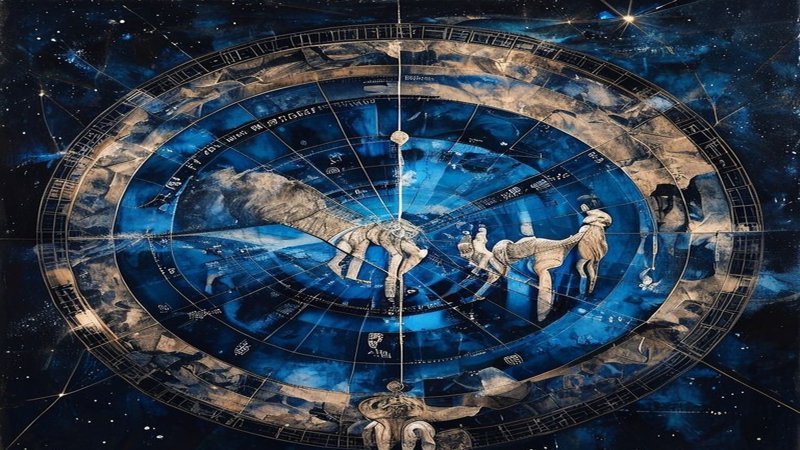
Celestial Maps Etched in Stone
The true enigma extends beyond construction size to celestial precision. Archaeoastronomical investigations reveal that the megalithic enclosures possess meticulous orientation toward specific stars and constellations, including Orion and Sirius. This suggests:
- The pillars functioned as a celestial map.
- Builders possessed surprisingly accurate observational skills capable of tracking long-term stellar cycles.
- Sophisticated mechanisms for intergenerational knowledge preservation must have existed, contradicting models of simple foraging societies.
This astronomical mastery hints at knowledge that perhaps stems from a much older, lost tradition. Consider the evidence linking some interpretations to cosmic events described in articles like Spacetime’s Unheard Scream: The Terrifying Reality of Gravitational Waves & Cosmic Collisions.
The Vulture Stone and Cosmic Catastrophe
Pillar 43, known as the Vulture Stone, serves as potent encoded communication. Computational analysis of its bizarre bas-reliefs—depicting animals and astronomical symbols—suggests they document a significant cosmic catastrophe. Researchers hypothesize these carvings illustrate comet impacts from the Younger Dryas period (around 12,900 years ago). If true, Göbekli Tepe acts as both a memorial and a perpetual warning erected by survivors of that cataclysm.
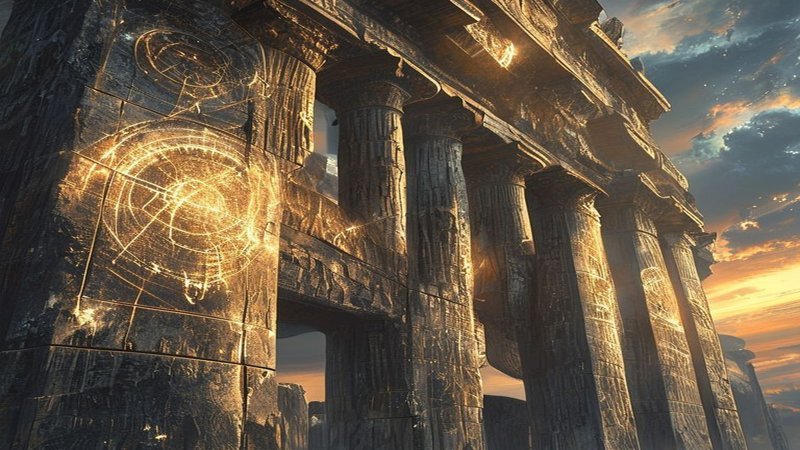
Inverting the Civilizational Paradigm
Göbekli Tepe forces a chronological reversal of historical development. The prevailing model states: Agriculture → Sedentism → Religious Architecture. Here, monumental temple architecture and engineering complexity drastically precede established agriculture or settled villages. This implies that a spiritual or cosmic impetus, rather than purely subsistence needs, was the primary driver for initial human assembly and complex innovation.
Geometric Perfection and Intentional Burial
Further evidence of lost genius lies in the site’s layout. Ground-penetrating radar shows the central points of the three main enclosures form a near-perfect equilateral triangle, demonstrating advanced geospatial planning millennia before the pyramids. Finally, the site was not randomly abandoned; it was systematically and intentionally buried eight millennia ago, perhaps to safeguard its profound secrets for future discovery.
Frequently Asked Questions
About The Author