Lost Mero Inscriptions: Unknown Monarchs and Suppressed Egyptian History
Lost Mero Inscriptions: Unknown Monarchs and Suppressed Egyptian History
History, as we know it, is often a curated narrative designed to serve the victors. The discovery of the Mero inscriptions fundamentally challenges this orthodoxy, pulling back the veil on a turbulent epoch deliberately excised from official Egyptian records. These inscriptions paint a picture of survival, resistance, and technological ingenuity during a time of profound collapse, revealing monarchs whose very existence was deemed treasonous by succeeding powers.
Navigate Content
The Scribe Mero and the Truth Etched in Stone
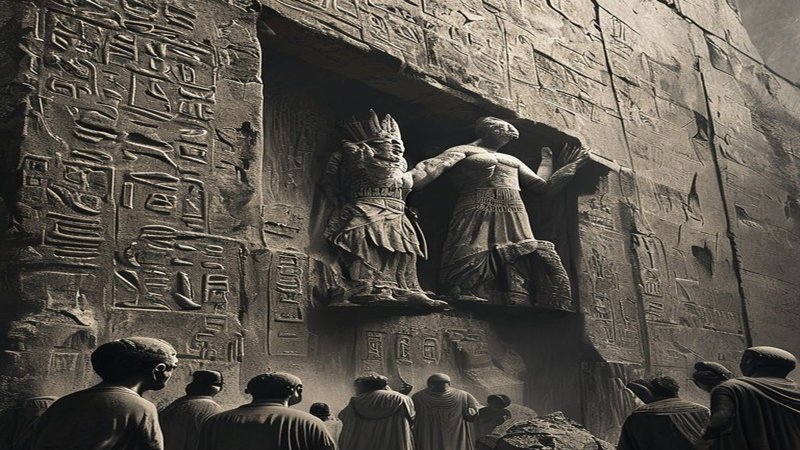
Mero was not a chronicler for the powerful but a custodian of state secrets, driven by a conviction that truth must survive the fall of empires. His hieroglyphic script, distinct from temple carvings, employed peculiar, living symbols reflecting genuine human emotion—fear, hope, and anxiety. He deliberately used unique artistic techniques, such as angular inclinations in intaglio carving, to make the glyphs appear only under specific dawn light, safeguarding his records from predictable royal vandalism. This meticulous concealment reminds us of other erased historical periods, such as those detailed in articles concerning Ancient China’s Forged History.
Unveiling the Forgotten Rulers of the Second Intermediate Period
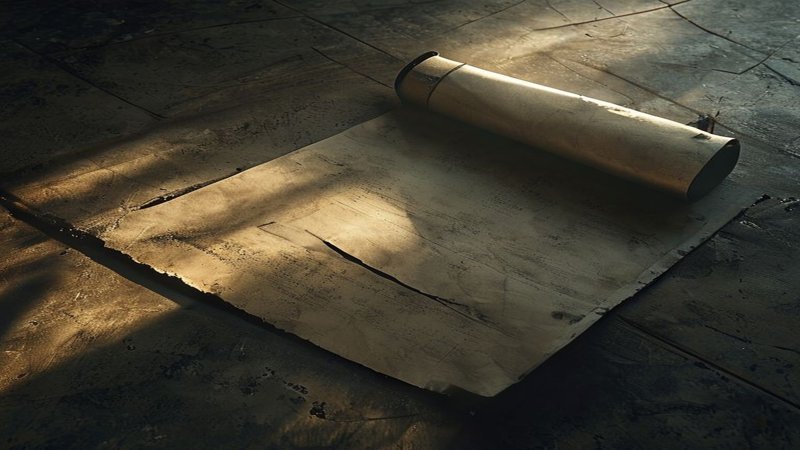
The Mero texts pierce the ‘dark temporal gap’ known as the Second Intermediate Period. Here, names like Kha-Ankh-Ra and Neb-Jefu-Ra emerge—rulers absent from canonical sources like the Turin Papyrus. Mero asserts these were not invaders but true sons of the soil who ascended when established authority failed. One king famously traded the Double Crown for a warrior’s helmet, leading a peasant army against eastern incursions. This was not a coup; it was a bitter fight for national identity and survival, underscored by Mero’s depiction of suffering, such as the wilting lotus flower symbolizing shattered morale.
Psychological Narratives and Human Tragedy
Beyond political succession, Mero captured the raw psychological state of his era. His inscriptions detail a devastating seven-year famine where palace granaries remained sealed while the populace starved. He captured the agony of people sharing dry bread crumbs amid tears—details utterly absent from sanitized royal glorifications. Mero used symbols powerfully: the owl represented imposed silence after raids, conveying a profound sense of despair that seeps into the modern reader. This deep dive into ancestor suffering mirrors the exploration of shared psychological burdens found in discussions on Why You Self-Sabotage Love, showing how historical trauma echoes.
The Citadel of Light and Lost Military Technology
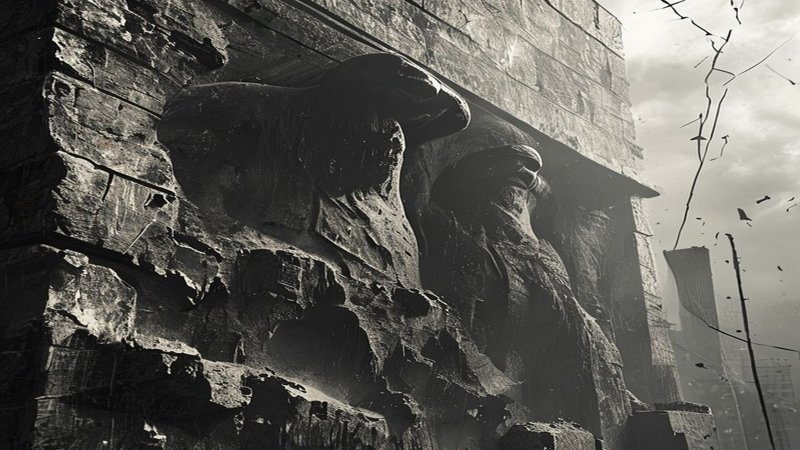
Excavations in the Western Desert yielded tablets marked with Mero’s signature, pointing to a hidden sanctuary: The Citadel of Light. This city served as a bastion of national resistance against the Hyksos, predating Ahmose I. In this secretive hub, Mero recorded a military revolution born of necessity:
- Advanced training in archery and archery.
- Manufacturing of chariots with secret designs, making them lighter and faster than enemy models.
This suggests a level of localized technological advancement that conventional history intentionally overlooked because it originated outside the established power structures.
Mero’s Prophecy Fulfilled
Mero risked death because he believed history belonged to the truth-holders, not the power-holders. His parting message, subtly encoded in the helical patterns of the Nile symbols—reminiscent of DNA—suggests a connection between the land’s lifeblood and the continuation of its generations. By reading these words now, we fulfill Mero’s prophecy. The true measure of power, he argued, is the ordinary person’s capacity to endure and document, a powerful concept echoing in studies of hidden endurance, much like examining Subterranean Living as a last refuge.
Frequently Asked Questions
Generated by AI Content Architect
About The Author