
Secrets of the Silk Road: Humanity’s First Internet of Ideas and Epidemics
Secrets of the Silk Road: Humanity’s First Internet of Ideas and Epidemics
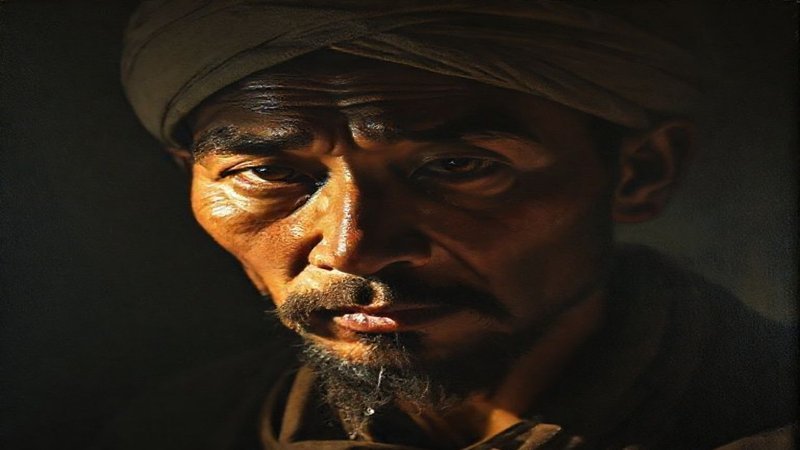
The Silk Roads were far more than mere trade routes for luxury goods; they represented humanity’s inaugural global network—a dynamic, often dangerous, system where human breath carried information, faith, and death. These colossal arteries connected East and West, forging the very foundations of global civilization long before the digital age.
Navigate Content
The First Global Data Transfer: Ideas and Papermaking
The flow along the Silk Roads was a colossal transfer of data. While merchants moved silk, the true cargo was intangible. Consider the pivotal moment at the Talas River in 751 CE. This battle resulted in the capture of Chinese papermakers by the Abbasid forces. This event initiated the westward spread of papermaking technology, moving from China to Samarkand, Baghdad, and eventually Europe. This secret, transmitted across empires, is why you can read this today. The routes served as the largest laboratory where beliefs clashed and scientific understanding accumulated.
The Highways of Faith and Cultural Amalgamation
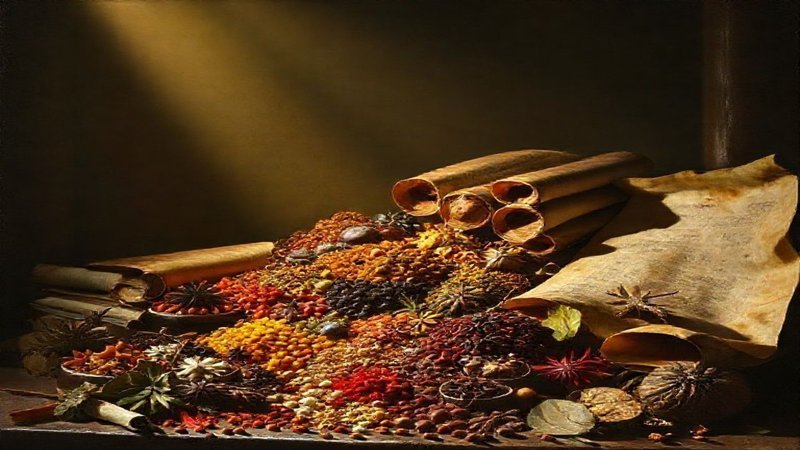
As the “greatest pulpit in history,” the Silk Roads were instrumental in spreading major world religions. Buddhism journeyed from India across the Himalayas, profoundly shaping China and Japan. Similarly, Islam found adherents through the integrity of merchants in distant bazaars. This interaction created rich cultural syncretism, visible in shared architectural styles today.
In the bustling caravanserais, travelers shared tales of gods and the cosmos, inadvertently forging a global consciousness centuries ahead of schedule. This daily, intimate contact defined a shared human identity amidst vast differences.
The Invisible Passengers: Trade, Plagues, and Social Upheaval
Not all transmissions were beneficial. The Silk Roads acted as conduits for devastation. Epidemics, most notably the Black Death, infiltrated trade routes hidden within the cargo. Fleas on rodent fur, carried by caravans and ships, delivered death across Eurasia in the mid-fourteenth century.
This annihilation profoundly reshaped society:
- A third of Europe’s population perished.
- Feudal systems began to collapse due to labor shortages.
- Ancient certainties were questioned when traditional beliefs failed to stop the mass death.
Spices, Science, and the Drive for Discovery
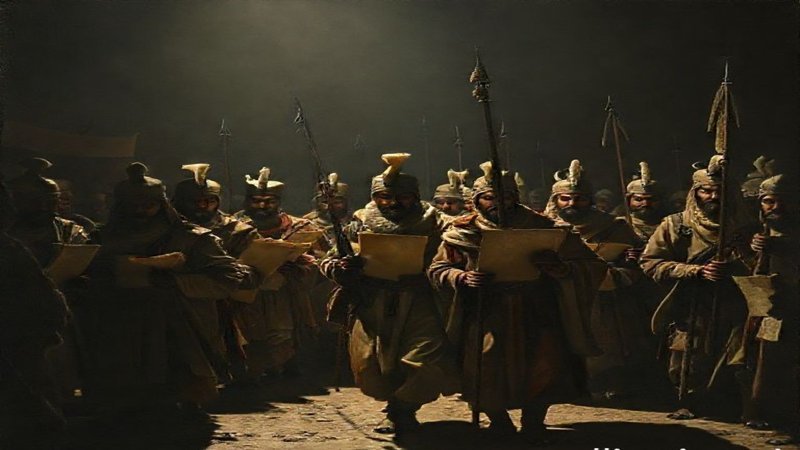
The desire for commodities like pepper and cinnamon, which functioned as hard currency, directly fueled the Age of Exploration. The search for alternative, cheaper paths to the spice sources pushed explorers like Columbus and Da Gama westward, arguably leading to the discovery of the New World.
Furthermore, medical knowledge synthesized along these routes. Arab medicine incorporated Greek philosophy, Indian herbalism, and Chinese diagnostics. This accumulation meant that:
- Knowledge from Tang Dynasty physicians reached Western hospitals.
- Complex understanding of the human body grew incrementally through constant exchange.
Frequently Asked Questions
Generated by AI Content Architect
About The Author