The Pyramids: Nation-Building Project vs. Royal Tombs?
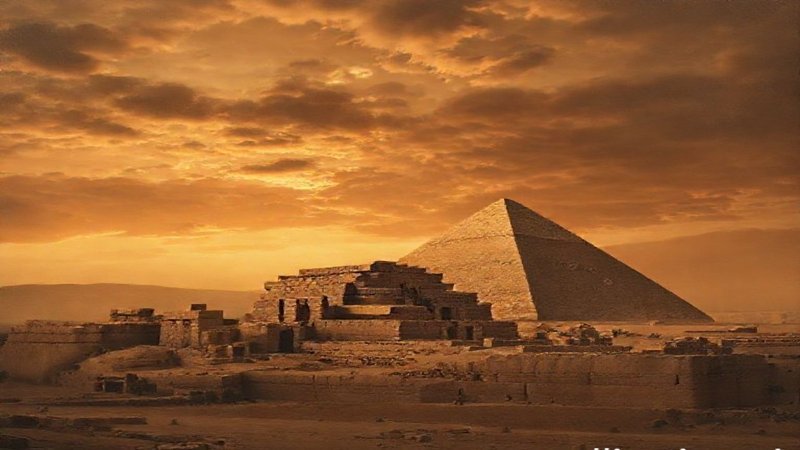
The Pyramids: Nation-Building Project vs. Royal Tombs?
Navigate Content
Beyond the Sepulcher: A National Declaration
The traditional narrative confines the Pyramids to the purpose of preserving a single pharaoh’s body. However, considering the sheer logistical scale of the Great Pyramid of Khufu, this interpretation seems insufficient. The project’s scope suggests something far grander than personal commemoration. It was a comprehensive, functional demonstration of a unified state apparatus in full operation.
- The undertaking reveals not just a shrine, but a declaration of the birth of a cohesive nation.
- The Pharaoh’s focus shifted from personal eternity to charting the economic and social future of the state.

The Colossal Workshop: Economic Engine and Social Laboratory
Building the Pyramid was the ancient world’s grandest national project—a ‘colossal workshop’ that converged the Nile’s resources under a singular, unwavering purpose. This mobilization required a fundamental shift in the collective understanding of labor, transforming potential conflict into national cohesion.
Logistical Scale: Conservative estimates point to the movement of 2.3 million stone blocks, averaging 2.5 tons each. This required a supply chain rivaling modern complexity, functioning flawlessly under the desert sun.
The Human Element: Administration Over Coercion
The myth of the exhausted slave is actively dismantled by archaeological evidence from sites like the ‘Workers’ City.’ These excavations reveal organized residential complexes, not prison camps. This infrastructure sustained tens of thousands through massive daily productions of bread and beer.
This system was a form of sophisticated administration and wealth redistribution:
- It functioned as an early ‘social security’ system, providing seasonal employment for farmers during the Nile inundation.
- Labor was channeled productively into national construction, ensuring loyalty and productivity beyond mere coercion.

Forging an Empire Through Shared Labor
The decision to undertake this project marked Egypt’s ‘point of no return,’ converting latent resources into an unstoppable driving force. This required transforming the national mindset—an ‘army carrying tools’ driven by conviction.
This massive undertaking was an act of profound social engineering, reaching from the bedrock to the sky. It established the mobilization capability that would ultimately forge the first true empire in history. The question remains: Could such an existential necessity for an entire state be built merely for one man?
Frequently Asked Questions
About The Author