The Enigmatic Disappearance of the Flannan Isles Lighthouse Keepers: An Unsolved Mystery
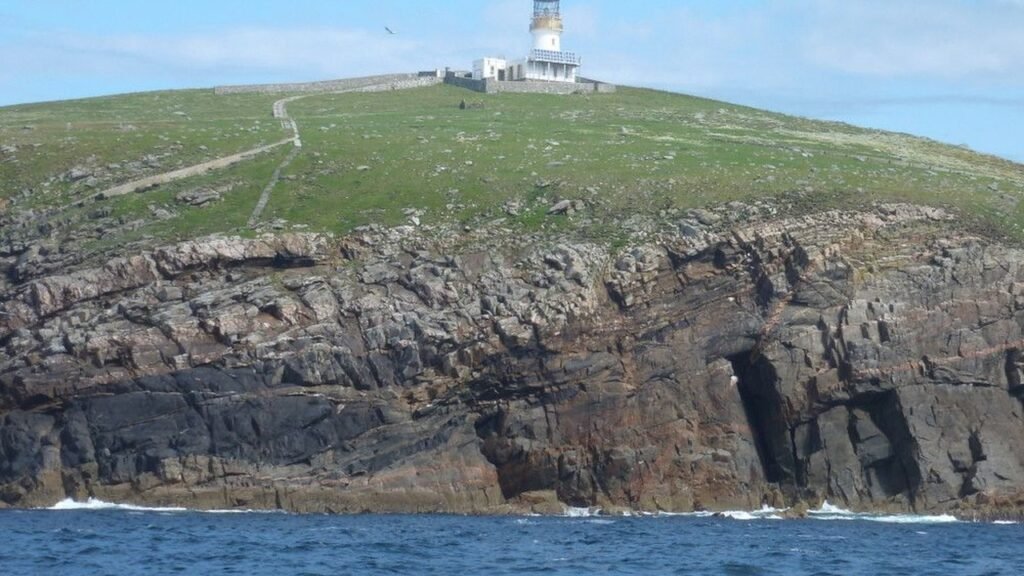
The howling winds of the North Atlantic relentlessly batter the jagged cliffs of the Flannan Isles, a small, isolated archipelago off the west coast of Scotland. Here, on Eilean Mòr, the largest of the islands, stands a lighthouse, a beacon of hope and guidance for passing ships. But on the 26th of December, 1900, this beacon was dark, its light extinguished, not by a storm, but by a mystery that continues to haunt the maritime world: the disappearance of its three keepers. What happened to Thomas Marshall, James Ducat, and Donald McArthur? The official inquiry offered a plausible explanation of a rogue wave, but lingering doubts and inconsistencies have fueled speculation and conspiracy theories for over a century. This article delves into the facts, explores the theories, and examines the enduring legacy of the Flannan Isles Lighthouse mystery.
The Discovery: A Silent Sentinel
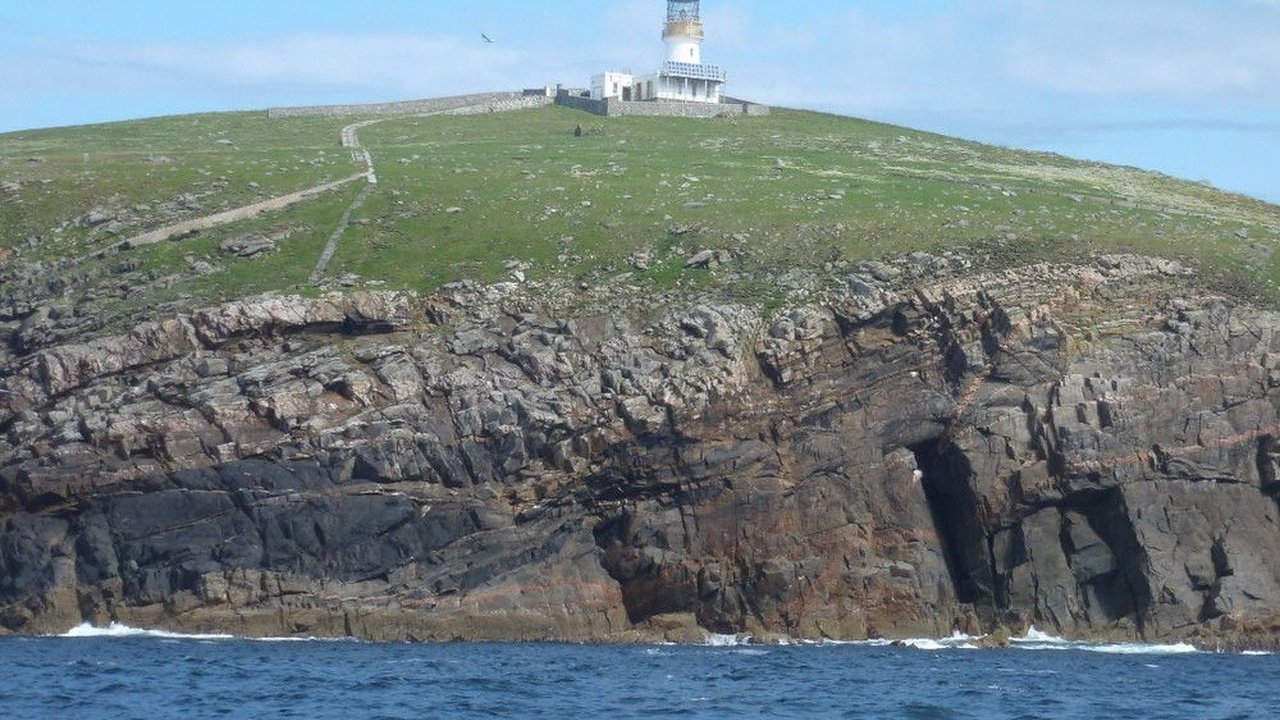
The first sign that something was amiss came on December 26th, 1900, when the steamer Archtor, en route from Philadelphia to Leith, noted that the Flannan Isles lighthouse was not operational during a period of storms. The lack of the light was reported to the Northern Lighthouse Board. The relief vessel, Hesperus, was dispatched to investigate, arriving at Eilean Mòr around noon on Boxing Day. What they found was chilling.
No one was there to greet them. The flagstaff was bare, devoid of any signal. Captain James Harvey sent Joseph Moore, the superintendent, ashore to investigate. Moore’s initial findings were unsettling. The lighthouse door was unlocked, and the beds were unmade. The kitchen table held a meal, seemingly abandoned mid-course. Most disturbingly, one of the oilskins belonging to one of the keepers was missing. The clock had stopped. A sense of unease permeated the cold, stone structure.
A further search of the island revealed more perplexing clues. The west landing, typically used for supplies and access during calmer weather, showed evidence of significant storm damage. An iron railing was bent and twisted, a heavy stone dislodged from the pathway, and the winch used to haul supplies up the cliff was askew. However, the east landing, sheltered from the prevailing westerly winds, was untouched.
The most experienced of the keepers, Thomas Marshall, and the assistant keeper, James Ducat, were usually responsible for securing this equipment. The third keeper, Donald McArthur, was a temporary assistant and had only arrived at the Flannan Isles a few days before. It was highly unusual for all three men to be absent from their posts simultaneously. The mystery deepened: where were they, and what had happened?
The Official Explanation: A Rogue Wave?
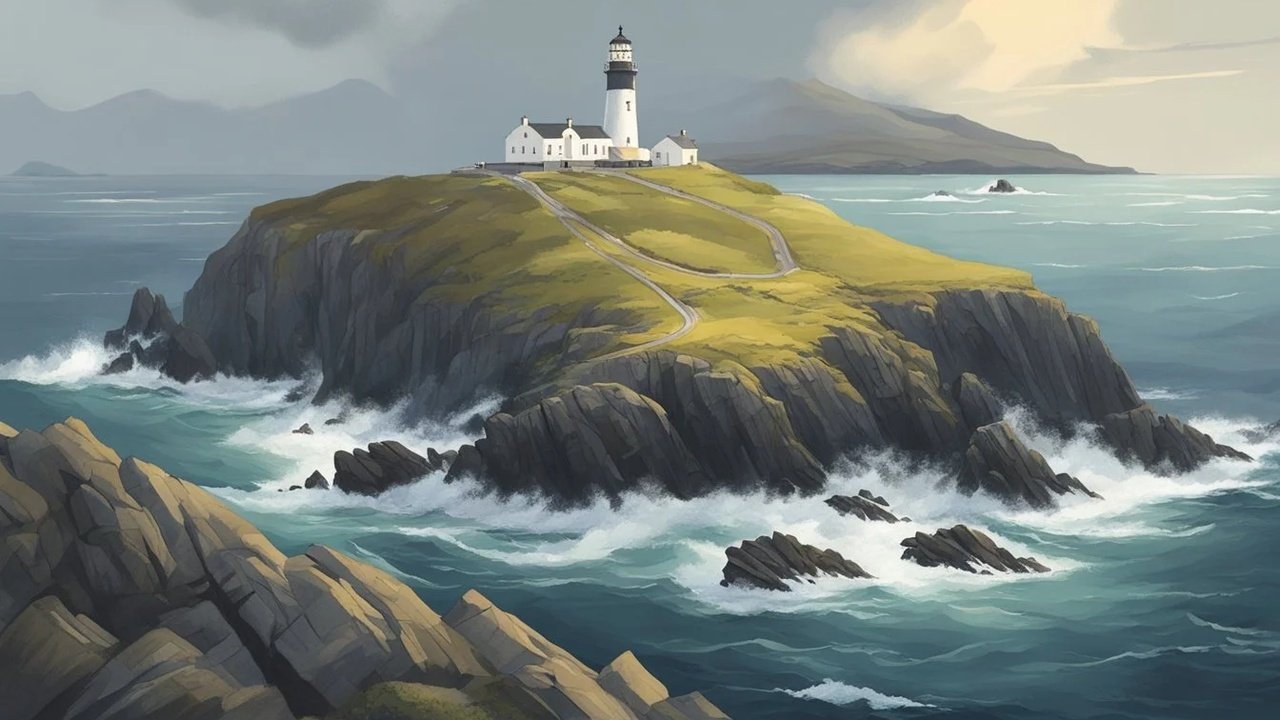
Following the discovery, Robert Muirhead, the Northern Lighthouse Board’s superintendent, conducted an investigation. His report concluded that the most likely explanation was a rogue wave that had washed the three keepers into the sea. Muirhead theorized that Marshall and Ducat had gone to secure equipment at the west landing during a storm, and McArthur had followed them. A sudden, unexpectedly large wave then swept them away, leaving no trace.
This explanation was based on the observed damage at the west landing, combined with the fact that the weather conditions in the days leading up to the disappearance had been severe. Log entries from the lighthouse, kept by James Ducat, described powerful storms and high winds. The log showed that the storm started around 9am on the 12th of December. It ended around 9am on the 13th. It then started back up on the 16th and went until the 19th at 10am.
Furthermore, Muirhead highlighted that the missing oilskins suggested the keepers had been caught off guard by the wave. While this explanation appeared plausible on the surface, several inconsistencies and unanswered questions continued to fuel speculation. Why would all three keepers be outside at the same time during a storm? Why was the equipment not properly secured in the first place? And why was one set of oilskins missing, but not the others?
Alternative Theories: Unraveling the Mystery
The official explanation, while logical, has never fully satisfied those intrigued by the Flannan Isles mystery. Over the years, numerous alternative theories have emerged, ranging from the plausible to the outlandish.
One common theory suggests that a sudden, violent storm, far more severe than the lighthouse logs indicated, overwhelmed the island. This ‘super-storm’ theory posits that a massive wave, or a series of waves, struck the island with such force that it swept the keepers away before they had any chance to react. Some even speculate that the log entries were deliberately understated to avoid alarming passing ships.
Another line of thinking involves a possible accident. Perhaps one of the keepers fell into the sea, and the others attempted a rescue, resulting in all three being lost. This theory accounts for the simultaneous disappearance but doesn’t fully explain the condition of the lighthouse or the missing equipment.
More outlandish theories involve supernatural explanations. Some believe the island is cursed or that the keepers were abducted by aliens or sea monsters. These theories, while entertaining, lack any credible evidence and are largely dismissed by serious researchers.
Conspiracy theories have also taken hold, suggesting that the keepers were murdered, perhaps by smugglers or even by a rival nation during a period of heightened tensions. These theories often cite the lack of a thorough investigation and the perceived secrecy surrounding the event.
The Enduring Questions: Unanswered and Unanswerable?
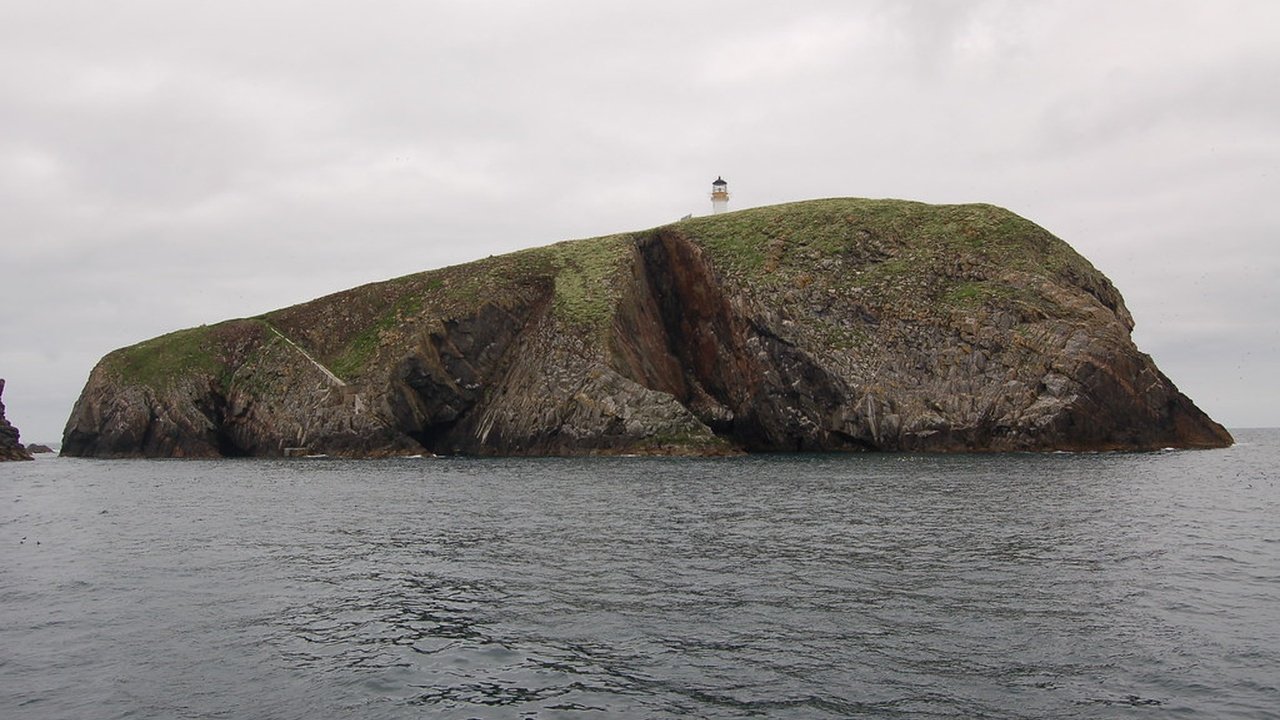
Despite the passage of time and numerous attempts to unravel the mystery, the disappearance of the Flannan Isles lighthouse keepers remains unsolved. The official explanation provides a reasonable scenario, but it fails to address the nagging inconsistencies and unanswered questions that continue to fuel speculation.
Was the storm truly as severe as claimed? Why were all three keepers outside at the same time? What happened to the missing set of oilskins? These questions, and many others, continue to haunt the narrative of the Flannan Isles tragedy.
The remote location of the islands, the lack of eyewitnesses, and the limited forensic evidence have made it virtually impossible to definitively determine what happened. The sea has claimed its secrets, and it is unlikely that the truth will ever be fully revealed. The mystery remains a testament to the power of the unknown and the enduring fascination with unsolved enigmas.
While the answers may remain elusive, the story of the Flannan Isles lighthouse keepers serves as a cautionary tale about the dangers of isolation, the unpredictable forces of nature, and the fragility of human life in the face of the elements. The light may have been extinguished, but the mystery continues to burn bright in the collective imagination.
The Legacy: A Haunting Reminder
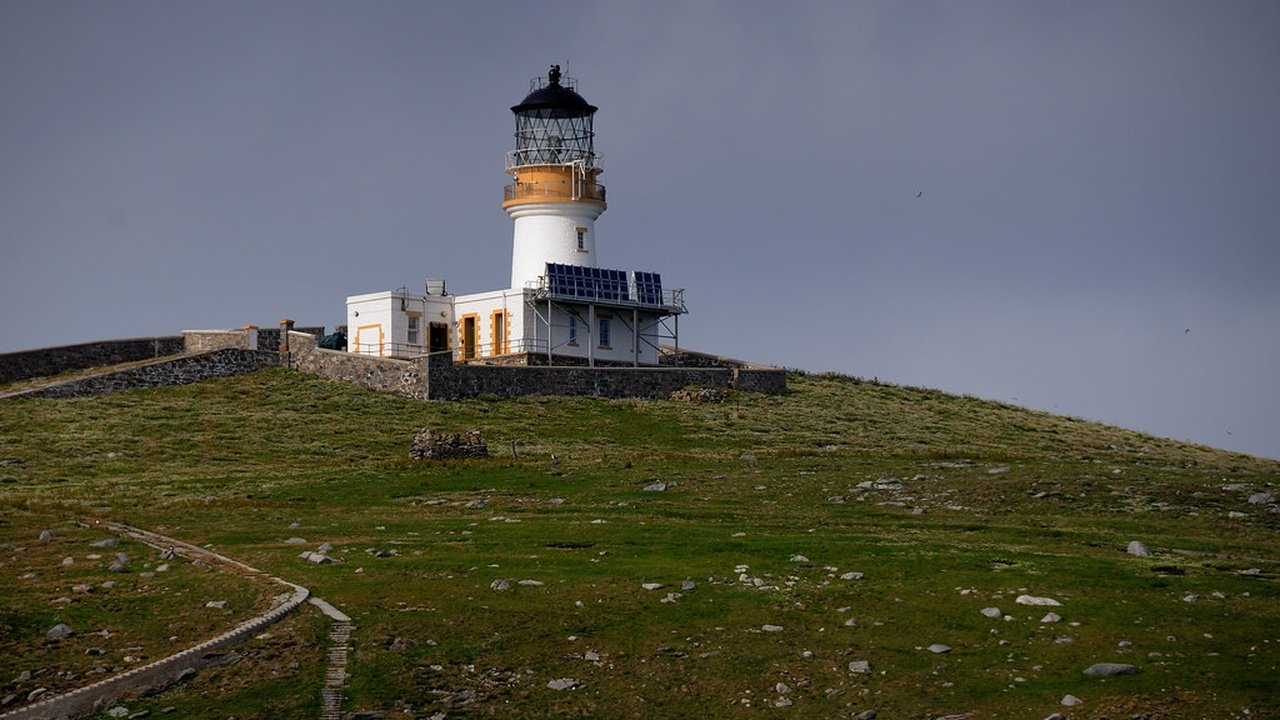
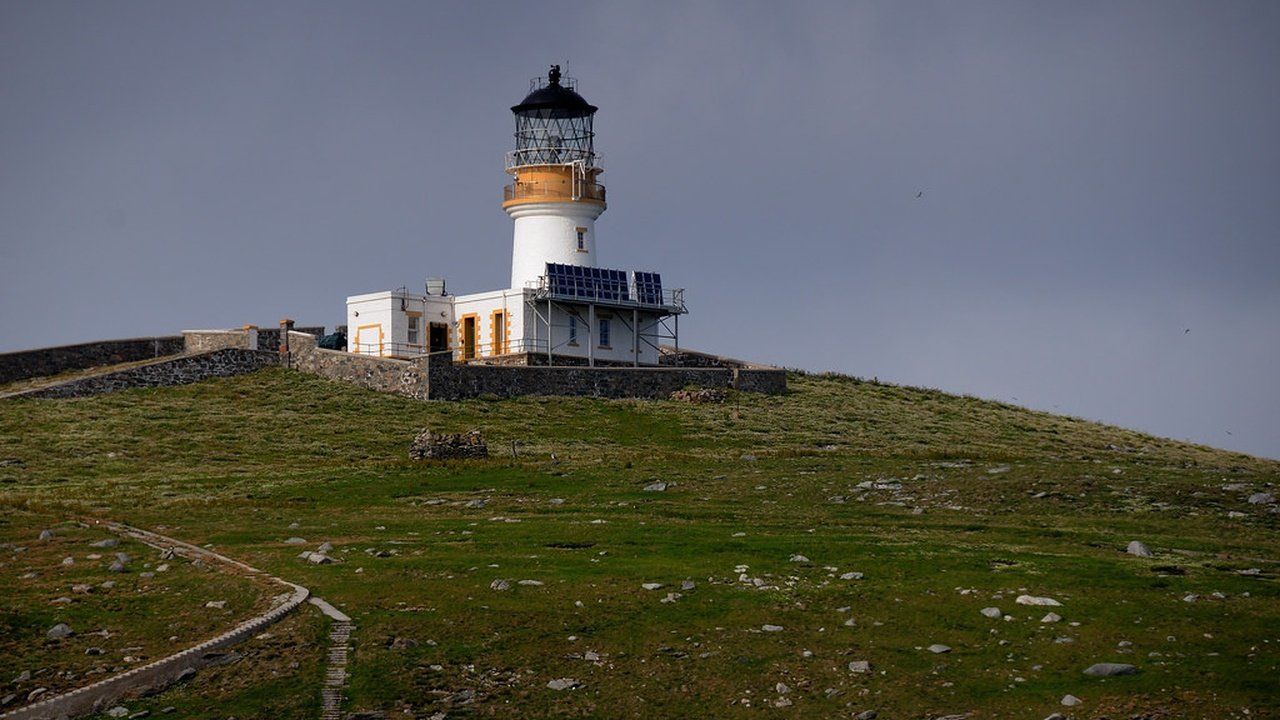
The Flannan Isles Lighthouse continues to stand on Eilean Mòr, now automated, its light a constant presence in the North Atlantic. The events of December 1900 have transformed the island into a symbol of mystery and intrigue, attracting ghost hunters and paranormal enthusiasts. The story has inspired books, films, and even an opera, solidifying its place in popular culture.
The enduring appeal of the Flannan Isles mystery lies in its ambiguity. It is a reminder that not all questions have answers and that some secrets remain forever hidden beneath the waves. It is also a testament to the power of storytelling and the human need to make sense of the inexplicable. The Flannan Isles lighthouse keepers may be gone, but their story continues to resonate, a haunting reminder of the mysteries that lie just beyond the reach of our understanding.
The automated lighthouse now operates without human presence, yet the tales of the lost keepers serve as a somber reminder of the human element in even the most technologically advanced endeavors. The mystery of the Flannan Isles stands as a stark and unsettling reminder of the power and indifference of nature. In an era dominated by technology and information, the enigma of the Flannan Isles stands as a symbol of the limits of human knowledge and control. The enduring mystery remains a powerful testament to the enduring power of the unknown, whispering across the waves and time, an unsolved puzzle that captures the imagination and evokes a sense of awe and disquiet. The search for truth amidst such uncertainty continues, echoing the lonely vigilance of the keepers who once stood watch on the edge of the world.
Frequently Asked Questions
What year did the Flannan Isles Lighthouse keepers disappear?
The keepers disappeared in December 1900.
Who were the three lighthouse keepers that disappeared?
Thomas Marshall, James Ducat, and Donald McArthur were the three keepers that went missing.
What was the official explanation for their disappearance?
The official explanation was that a rogue wave swept them into the sea.
What are some alternative theories about their disappearance?
Alternative theories include a sudden, violent storm, an accident during a rescue attempt, supernatural explanations, and conspiracy theories involving murder or abduction.
Is the Flannan Isles Lighthouse still operational?
Yes, the lighthouse is still operational, but it is now automated.
About The Author